








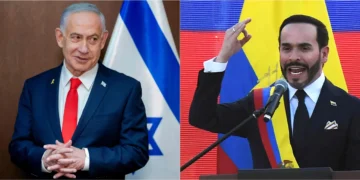


























































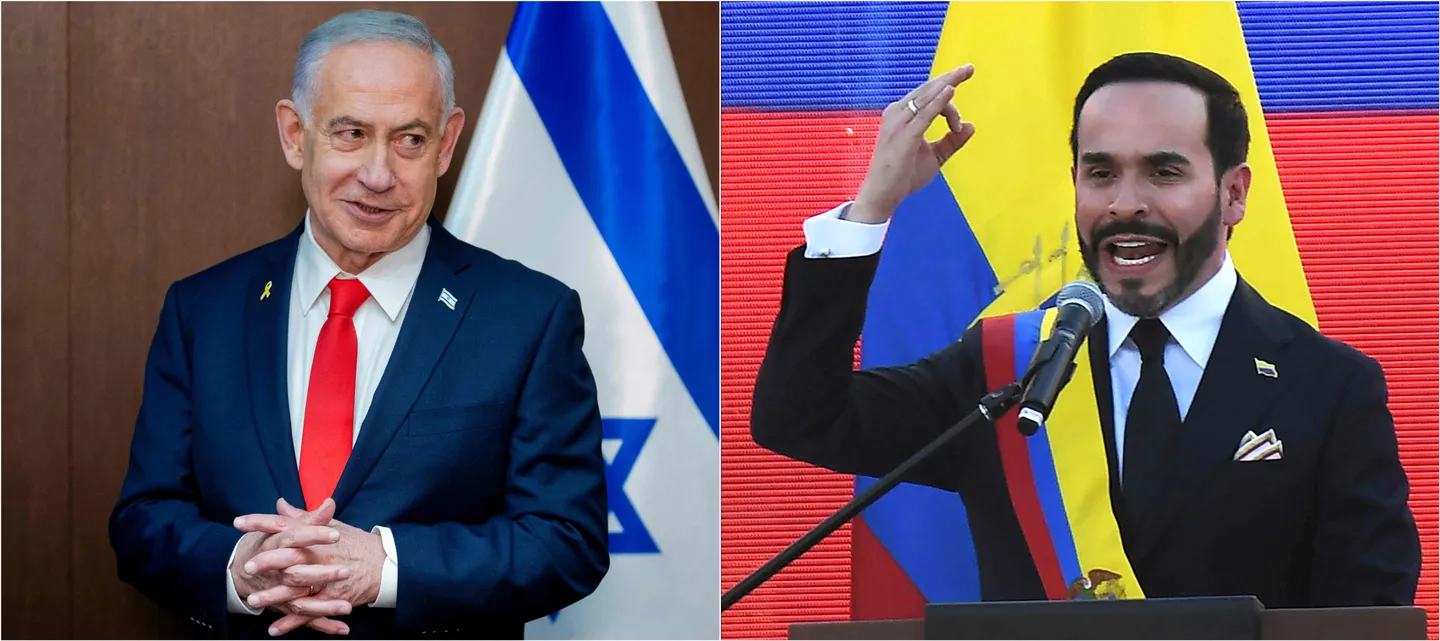
Within days of taking office on August 7, Colombia’s new president, Abelardo de la Espriella, has moved to rapidly restore diplomatic ties with Israel. This shift marks a sharp reversal of the policies held by his predecessor, Gustavo Petro, who had taken a firm stance against Israel regarding the conflict in Gaza.
De la Espriella, who narrowly defeated left-wing candidate Ivan Cepeda in the June runoff, fulfilled a key campaign promise by announcing that Colombia would reopen its embassy in Jerusalem. Simultaneously, he halted a plan initiated by Petro in October 2023 to establish a Colombian embassy in Palestine, noting that the project had never become operational.
The administration has also taken the significant step of formally recognizing Israeli sovereignty over the occupied Golan Heights. This move makes Colombia the second nation, following the United States, to extend such recognition to the territory. Prime Minister Benjamin Netanyahu praised the decision in a video statement, expressing his gratitude to the new president.
Beyond diplomatic recognition, the two nations have agreed to a mutual visa exemption for citizens starting September 1 and have established the Colombia-Israel Binational Economic Commission. Furthermore, Bogota has resumed coal exports to Israel and has begun the process of withdrawing its intervention in South Africa’s case against Israel at the International Court of Justice.
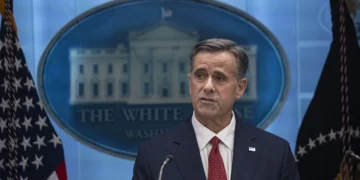
Analysts suggest these rapid changes are driven by strategic interests rather than a simple bilateral reset. Arlene Beth Tickner, a former Colombian UN representative, argued that the primary motivation is to demonstrate loyalty to the United States. She noted that the move could prove detrimental to Colombian interests, describing the recognition of the Golan Heights and the embassy shift as a disregard for international law and UN resolutions.
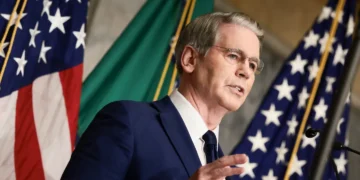
Glaeldys Gonzalez of the International Crisis Group noted that while this is a significant pivot, it also represents a return to Colombia’s historical alignment. For two decades prior to 2024, Colombia was one of Israel’s closest partners in Latin America and a major buyer of Israeli defense technology, a relationship Petro had severed.
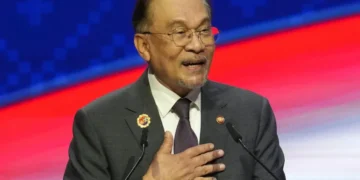
Mariano Aguirre Ernst of Chatham House suggested the speed of these decisions serves as a signal to Colombia’s conservative establishment, the military, and the private sector, while also aligning with the Trump administration. From the Israeli perspective, experts like Daniel Wajner of the Hebrew University of Jerusalem argue that these gestures provide much-needed legitimacy.
Wajner explained that Israel uses such international support to demonstrate to its domestic public that it maintains strong global relations despite facing widespread boycotts and sanctions. Tickner added that these ties are viewed by Israel as a way to mitigate the reputational damage resulting from its actions in Gaza and the occupied territories, though she expressed surprise at the intensity of the public backlash within Colombia regarding these policy changes. The report also notes that this made Colombia the second country after the US to recognise Israeli sovereignty over the occupied rocky plateau in southwestern Syria overlooking northern Israel. The report also notes that a Colombia expert at the International Crisis Group, told Anadolu Agency that framing the shift as a “U-turn” somewhat overstates the change, glaeldys Gonzalez. The report also notes that an associate professor at the Hebrew University of Jerusalem, said being recognised by another country carries practical rather than purely symbolic weight, daniel Wajner. The report also notes that much as it did in the 2000s under former President Alvaro Uribe, with Tel Aviv serving as a “bridge” toward that goal, he said Colombia was again seeking closeness to Washington.
Source: TRT World