












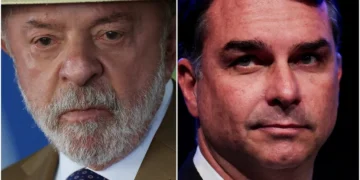



































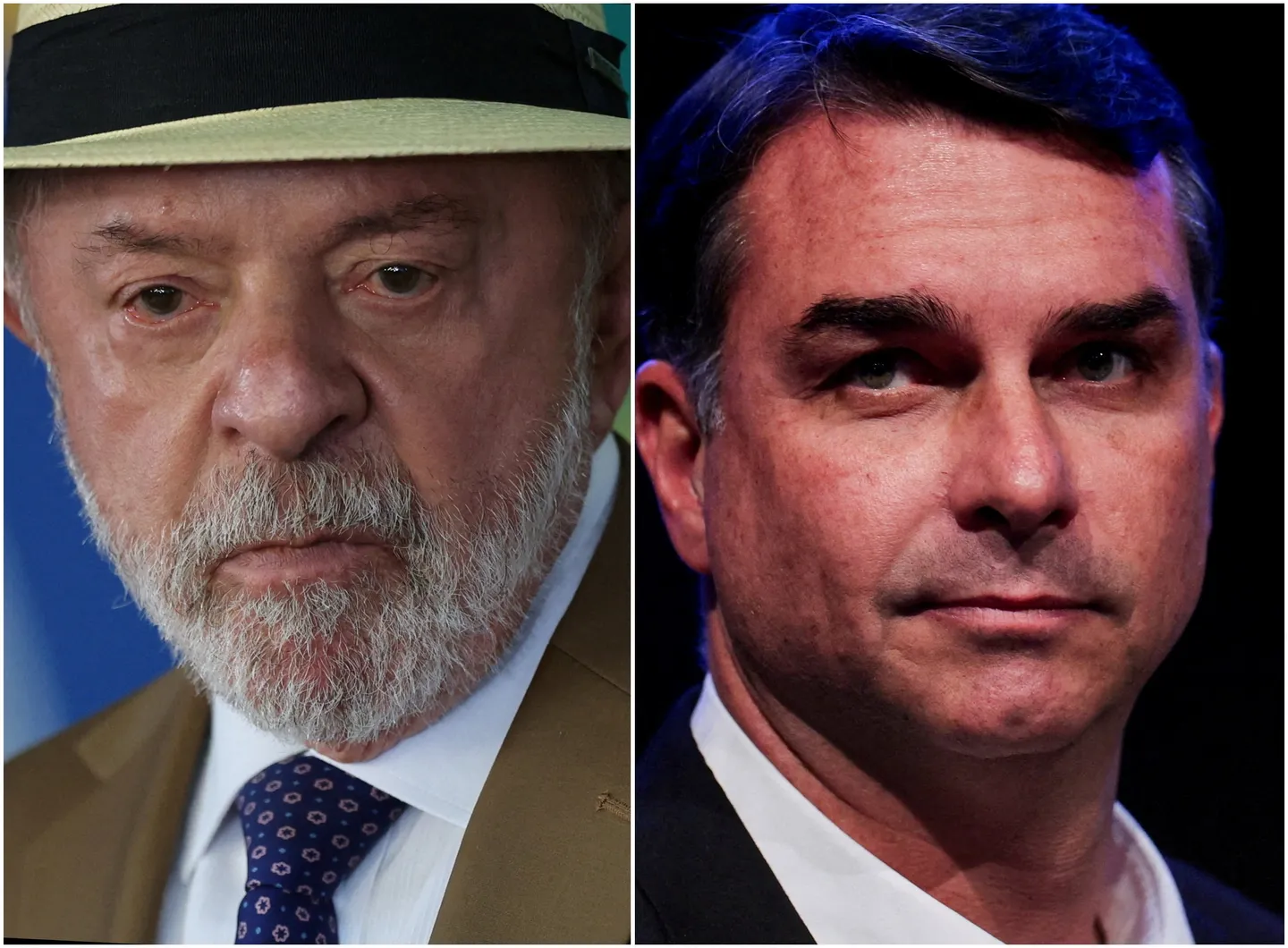
Brazil’s upcoming presidential election, set for October 4 with a potential runoff on October 25, serves as a critical test for the nation’s role in the global geopolitical landscape. The race between incumbent President Luiz Inacio Lula da Silva and his opponent, a senator whose father served as president from 2019 to 2023, presents voters with two starkly different approaches to foreign policy. With recent polling indicating a technical tie in a potential second round, the outcome could significantly alter how Latin America’s largest economy navigates its ties with Washington and Beijing.
For over a century, the United States has viewed Latin America as its traditional sphere of influence. However, China has steadily expanded its footprint in the region through extensive investments in infrastructure, mining, and agribusiness, establishing itself as the primary trading partner for most South American nations. Experts suggest that while the election will influence the tone of Brazil’s diplomatic engagements, the underlying economic reality—where China remains structurally vital to the Brazilian economy—is unlikely to shift dramatically regardless of the winner.
Foreign Policy Perspectives
- Lula’s Strategy: Advocates for “active non-alignment,” emphasizing multipolarity, South-South cooperation, and strengthening the BRICS bloc and G20 as symbolic counterweights to American influence.
- Opposition Strategy: Proposes a more explicit rhetorical alignment with the United States, mirroring the ideological bond the former president cultivated with Donald Trump.
- Diplomatic Goals: The opposition candidate has expressed a desire to move Brazil’s embassy to Jerusalem and realign with Israel, while claiming that a Washington-friendly government is necessary to renegotiate US tariffs and curb Chinese influence.
Andre Luiz Reis da Silva, a professor at the Federal University of Rio Grande, argues that the US has been actively attempting to regain hegemony in the region through tactics like tariff increases and sanctions. He notes that Washington expects Latin American nations to distance themselves from “extra-regional powers” like China. However, he expects a fourth Lula term to maintain a pragmatic trajectory, as Brazilian foreign policy is not tethered to a single pole.
Ricardo Caichiolo, an international relations professor at Ibmec University, views the election not as a binary choice between two superpowers, but as a dispute over Brazil’s positioning. He points out that even during the previous administration, which sought closer ties with the US, there was no practical break from trade with China. He warns that while the opposition candidate promises a shift, his personal relationship with Donald Trump remains largely unproven compared to the bond his father established.
Economic and Diplomatic Challenges
- Trade Tensions: In July, the US imposed a 25 percent tariff on various Brazilian goods, citing unfair trade practices.
- Diplomatic Engagement: Despite these tariffs, Lula and Trump held a phone conversation on August 21 to initiate discussions, though officials do not expect immediate relief before the election.
- Structural Realities: China’s position as Brazil’s top trading partner has persisted through multiple administrations, proving more resilient than political rhetoric.
- Internal US Dynamics: Experts note that while some White House aides push for a hardline stance against Brazil, Trump himself has shown a willingness to engage with leaders like Lula, suggesting that internal US disputes contribute to the current diplomatic volatility.
Guilherme Casaroes of Florida International University emphasizes that Lula is a pragmatic statesman who has consistently sought to balance relations with both the US and China. He cautions that abandoning this “pragmatic equidistance” in favor of a singular alliance carries significant risks for Brazilian sovereignty. As the election approaches, the central question remains whether Brazil can maintain its diplomatic autonomy or if it will be forced to choose sides in an increasingly polarized global environment. The report also notes that with a runoff planned for October 25 if no candidate wins a majority, the first round of the election will take place on October 4. The report also notes that each leaning towards a different centre of global power in an increasingly multipolar world, the two candidates stand for distinct foreign policy paths. The report also notes that the US has considered Latin America as its “backyard” for well over 100 years. The report also notes that in contrast, a Bolsonaro victory would mean a diplomatic reorientation towards the US. The report also notes that but failed to sustain it after Trump’s first term ended in 2021 and President Biden began, he says, the senior Bolsonaro also tried a similar approach during his stint in power. The report also notes that brazil’s size makes the election important beyond its borders. The report also notes that according to Casaroes, brazil does not have the regional clout now that it enjoyed a decade ago.
Source: TRT World