































































The upcoming United States midterm elections on November 3 are emerging as a critical juncture for the ongoing conflict with Iran. Senior advisers to President Donald Trump are working to prevent the situation from spiraling into an all-out war before voters head to the polls, a period during which Republicans are fighting to defend their narrow majorities in both chambers of Congress.
The administration’s current strategy appears to be a delicate balancing act. In August, officials launched what they termed an “Economic D-Day,” imposing sanctions on 60 entities accused of facilitating oil revenue trade with Tehran. These measures include threats of secondary sanctions against any nation conducting business with Iran. Simultaneously, the US continues to maintain a naval blockade near the Strait of Hormuz to further tighten economic pressure.
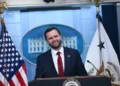
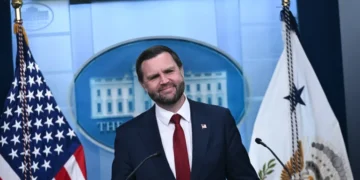
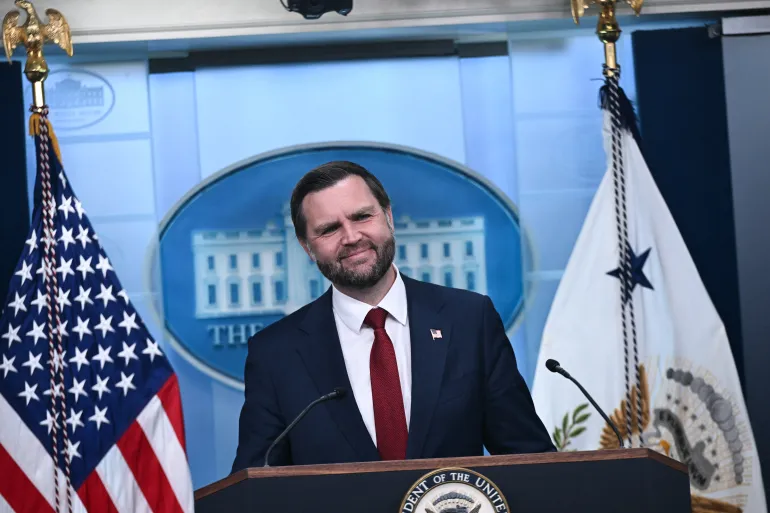
Despite these efforts, the military situation remains volatile. Vice President JD Vance has attempted to minimize the scale of the conflict, which began with joint US and Israeli strikes on February 28. During a recent White House briefing, Vance claimed there was “no active shooting right now” and insisted the war was having a diminishing effect on global energy markets. However, these comments contrast with the reality of ongoing military activity, including strikes conducted by US forces earlier this week.
The political stakes are high, as the war has become a significant liability for the Republican Party. A Reuters/Ipsos poll from late August indicated that only 31 percent of Americans support the military campaign, while 63 percent oppose it. Furthermore, President Trump’s approval rating has dipped from 40 percent to 33 percent since the start of hostilities. When asked about the potential for a resolution before November, Vance maintained that “everything that could happen is on the table,” ranging from diplomatic and economic pressure to covert military operations.
Economic concerns are compounding the administration’s difficulties. On Thursday, US diesel prices reached a record high, surpassing the previous peak set in 2022. This surge, driven by refining bottlenecks and rising crude oil costs, is particularly damaging for a president who campaigned on promises to lower energy expenses and avoid “unnecessary” foreign wars. A separate Politico poll from August found that 61 percent of Americans believe the conflict has directly increased their household expenses.
The administration’s internal messaging has been described by some analysts as inconsistent. Trita Parsi, executive vice president of the Quincy Institute for Responsible Statecraft, noted that the US seems to be “jumping from one position to the other.” Parsi suggested that while Washington hopes to avoid a full-scale war, Iranian officials may perceive the US as waiting until after the midterms to escalate, potentially prompting Tehran to trigger a larger conflict sooner to maximize political pain for the president.
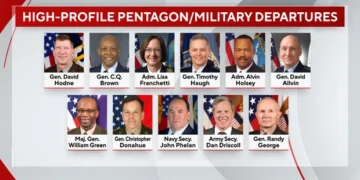
The human cost of the conflict continues to mount. Reports indicate that a US strike earlier this week hit a civilian residence in Kuhestak, southern Iran, during a wedding, resulting in at least four deaths, including children. Meanwhile, military leaders have reportedly warned Pentagon chief Pete Hegseth that the current level of engagement is unsustainable.
Looking ahead, Reuters reported that White House officials are weighing whether to intensify operations against Iran after the November 3 vote, though no final decision has been reached. As the administration navigates this “no war, no peace” strategy, the risk of miscalculation remains high. Whether the current approach of sporadic attacks and economic isolation can hold until the elections remains the central question for the White House. The report also notes that the push for restraint comes as Washington turns to economic pressure on Iran instead of military force. The report also notes that that leaves the coming two months as a particularly tricky period to navigate. The report also notes that therefore, may help prevent an already deeply unpopular war from dominating the political agenda, containing the fighting until November. The report also notes that observers say the Trump administration did not expect things to get to this point. The report also notes that in early March, Trump insisted the war would last for “four or five weeks”. The report also notes that instead, the conflict has dragged on, and unexpected consequences – including Iran’s closure of the Strait of Hormuz causing energy prices to spike – have made it even more unpopular with US households. The report also notes that the fallout from the war has not stopped at the petrol pump. The report also notes that manufactured goods and other everyday purchases – potentially worsening inflation when Democrats are making the cost of living a defining issue for the midterm campaign, sustained increases in fuel and transport costs feed into the price of groceries.
Source: Al Jazeera