








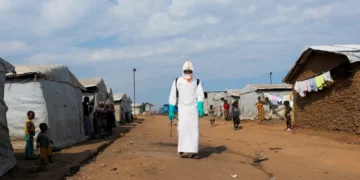



















































The Ebola epidemic in the Democratic Republic of the Congo (DRC) continues to surge, with official government data now confirming 5,515 cases and 2,642 deaths. Recent reports indicate 51 new infections have been identified across the Ituri and North Kivu provinces. This ongoing crisis, which began in mid-May, has been classified by the World Health Organization (WHO) as a Public Health Emergency of International Concern, marking the highest level of alert for both the DRC and neighboring Uganda.
Health officials are particularly concerned by the rising case fatality rate, which has jumped from approximately 20 percent in early June to nearly 48 percent. This statistic suggests that nearly one in every two individuals infected with the virus is losing their life. Despite these grim figures, there has been a notable improvement in containment efforts, with contact tracing success rates climbing from 30 percent in June to over 85 percent.
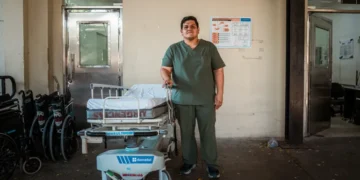
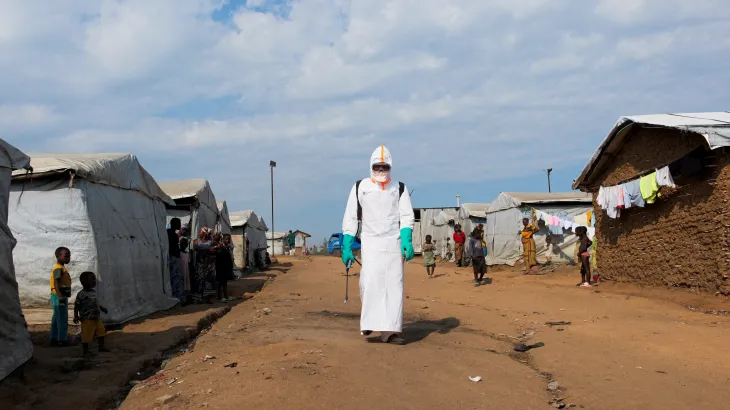
The toll on medical personnel remains severe, with the WHO reporting that 160 health workers have contracted the virus, resulting in 45 deaths. These frontline efforts are frequently disrupted by regional armed conflicts, the displacement of local populations, and a lack of essential infrastructure. Furthermore, the current outbreak involves the rare Bundibugyo strain, for which there is no specific approved treatment or vaccine.
To combat the spread, the WHO has allocated 70,000 doses of the Ervebo vaccine, which has shown efficacy in previous outbreaks and may offer protection against this specific strain. A shipment of 16,250 doses arrived in the country on Friday. WHO Director-General Tedros Adhanom Ghebreyesus has emphasized that the current response must be scaled up by two to three times to effectively reach all impacted regions and provide adequate support for medical staff.
Public health consultant Abdulsalami Nasidi, a founding figure of the Africa Centres for Disease Control and Prevention, warned that the situation is “getting out of hand.” He pointed to systemic weaknesses in infection control and a breakdown in trust between local communities and authorities as primary drivers of the transmission. Nasidi stressed that the crisis has transcended national borders, noting, “This is no longer just a national or regional issue; it is a global issue. If it spreads to neighbouring places with lower immunity, it will be a disaster.”
While the WHO maintains that the global risk remains low, it acknowledges the danger within the DRC is extreme. Success stories exist, however; Uganda and specific health zones in Ituri and South Kivu have successfully halted transmission chains, demonstrating that rapid detection and community engagement can be effective.
Amid these developments, Pope Leo addressed the crisis from the Vatican on Sunday, offering prayers for those affected and calling for a coordinated international response. “I urge the international community to respond in a way that also involves local communities in prevention efforts to save as many lives as possible,” the pontiff stated, highlighting the urgent need for global solidarity to address the escalating death toll. The report also notes that which was the 2014–2016 outbreak in West Africa that killed more than 11,000 people, the outbreak is now on track to surpass the deadliest Ebola epidemic on record. The report also notes that including protective equipment, timely payment, and access to rapid diagnosis and high-quality supportive care if they fall ill, they also called for more support and protection for front-line health workers.
Source: Al Jazeera