


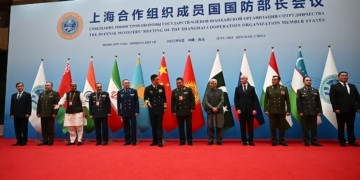






































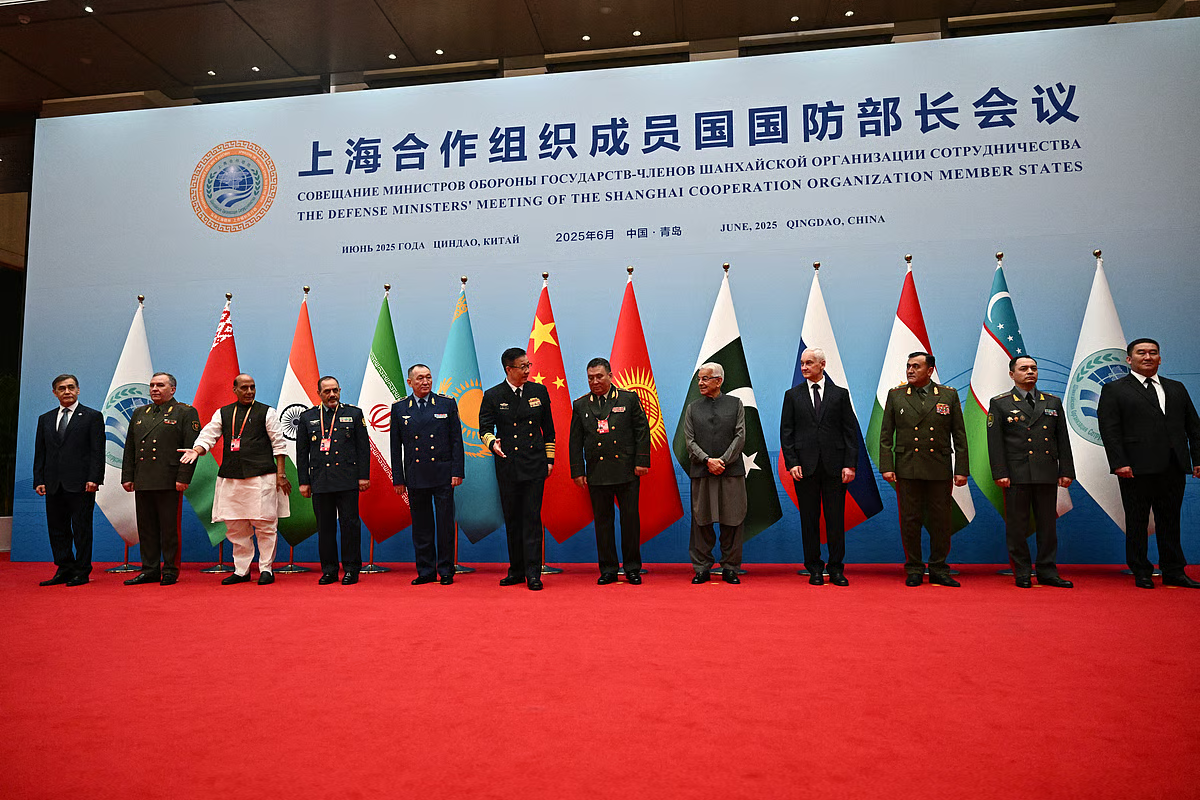
Leaders from across the globe are arriving in Bishkek, Kyrgyzstan, this Monday for a two-day summit of the Shanghai Cooperation Group (SCO). The event, which marks the bloc’s 25th anniversary, brings together roughly a dozen heads of state, including Russia’s Vladimir Putin, China’s Xi Jinping, Iran’s Masoud Pezeshkian, India’s Narendra Modi, and Pakistan’s Shehbaz Sharif. The plenary session will be hosted by Kyrgyz President Sadyr Japarov.
The summit serves as a platform for member nations—which also include four Central Asian states and Moscow-allied Belarus—to project a united front against Western influence. While the SCO officially maintains that it is not an alliance directed against other nations, both Putin and Xi have historically utilized these gatherings to advocate for a multipolar world order. During previous summits, Putin has criticized Western involvement in the Ukraine conflict, while Xi has spoken out against what he describes as acts of international intimidation.
This year’s meeting occurs against a backdrop of significant global instability, including the ongoing war in Ukraine and the conflict between Washington and Tehran. Kremlin spokesman Yuri Ushakov confirmed that President Putin intends to hold separate bilateral discussions with both Xi and Pezeshkian. These meetings follow a rare visit to Moscow by CIA Director John Ratcliffe, which has fueled speculation regarding potential high-level diplomatic exchanges concerning the situations in Ukraine and Iran.
Economic cooperation remains a central pillar of the SCO, which represents roughly 40 percent of the world’s population and 25 percent of global GDP. However, the bloc faces internal challenges, including competition between Russia and China for influence in Central Asia and strained relations between India and Pakistan. Furthermore, the group is expanding its reach, currently boasting 15 dialogue partners—including Turkey, Saudi Arabia, and Qatar—alongside observer nations Afghanistan and Mongolia.
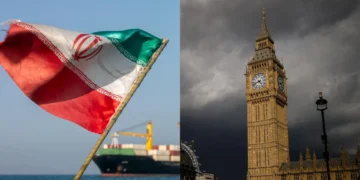
For Iran, the summit is a strategic opportunity to mitigate the impact of long-standing international sanctions. Tehran has faced economic pressure since the 1979 revolution, and recent US measures have targeted its trade in technology, gold, aviation, and maritime transport. While President Pezeshkian has publicly acknowledged the country’s current economic difficulties, international relations expert Mohammad Hassan Najmi noted that Tehran views participation in these alliances as a way to circumvent Western restrictions. Nevertheless, Najmi cautioned that the tangible benefits of such alliances remain uncertain, as they have historically struggled to provide Iran with effective solutions during times of crisis.
The United States has maintained a firm stance, with President Donald Trump warning Moscow and Beijing against providing military support to Iran. In response to recent secondary sanctions, China, a primary importer of Iranian oil, has stated it will firmly defend its national interests. As the summit progresses, the diverse interests of the member states will be tested, highlighting the complex dynamics of a bloc that seeks to balance internal disagreements with its stated goal of countering Western economic and political pressure. The report also notes that it takes place four-and-a-half years into Moscow’s Ukraine invasion and six months into the war between Washington and Tehran. The report also notes that it now has 15 “dialogue partners”, including Turkey, Saudi Arabia and Qatar, on top of its 10 members. The report also notes that at last year’s gathering, Putin accused Western countries of provoking the Ukraine war, while Xi denounced “acts of intimidation”, referring to US-Chinese tensions. The report also notes that iran, living under sanctions since its 1979 revolution ended with Islamic authorities taking charge, has regularly said it will not cave to economic pressure.
Source: Gulf News