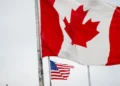








































































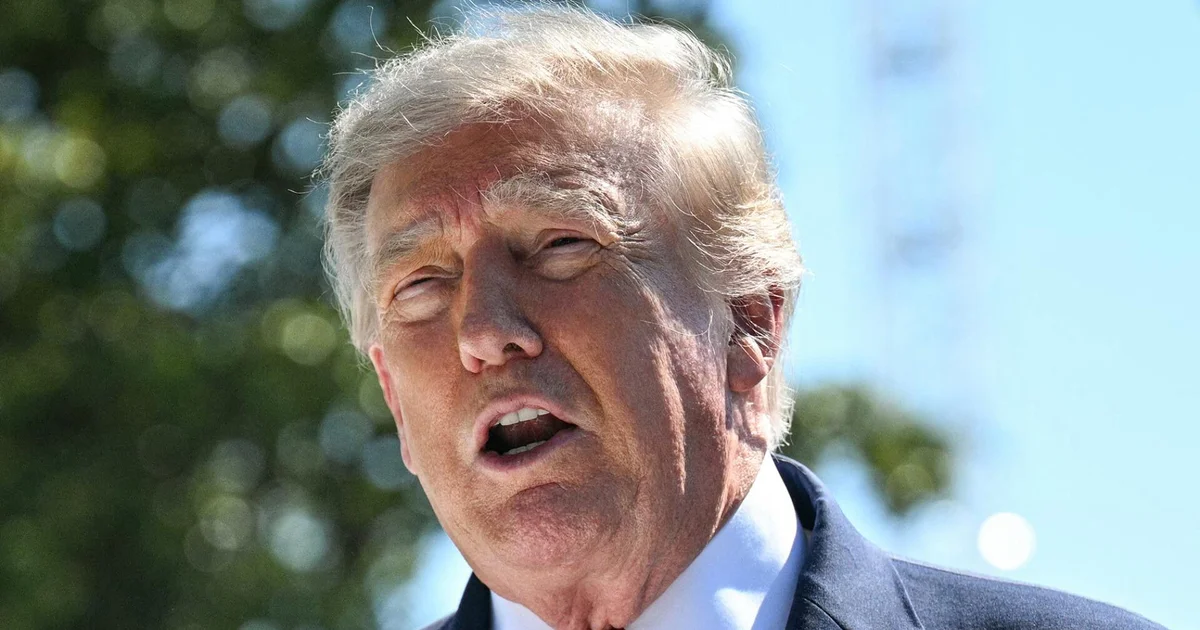
President Trump announced on Monday that the United States will implement a 50% tariff on all Canadian automotive and steel imports, effective January 1, 2027. The decision follows the breakdown of recent trade talks between the two nations. In a statement posted to Truth Social, the President remarked that Canada has been unfairly benefiting from trade with the U.S. for years, declaring that the country will no longer be treated like a state.
Under the new policy, the 50% levy will apply to all cars, trucks, and automotive parts, though vehicles manufactured within the United States remain exempt. Currently, non-U.S. automobiles and parts face a 25% tariff, while imported Canadian steel is already subject to a 50% rate. The President invoked Section 338 of the Tariff Act of 1930 to authorize these measures, citing a July proclamation that accused Canada of discriminating against U.S. commerce by unfairly taxing American motor vehicles.
Trade experts warn that these tariffs function effectively as a tax on American consumers. Barry Appleton, a trade attorney and senior fellow at the New York Law School, noted that the financial burden is collected at the border from U.S. dealers and manufacturers rather than the Canadian government. Because these businesses pay the initial costs, they are likely to pass the expenses on to consumers, potentially increasing prices for approximately 5% of Canada’s exports to the U.S.
In response, Canadian Prime Minister Mark Carney has pledged retaliatory measures against U.S. products, which are scheduled to take effect on September 8. The Canadian Department of Finance indicated that further details regarding their response will be provided by Finance Minister François-Philippe Champagne and other Cabinet officials. Canada’s planned retaliation is expected to target U.S. steel, dairy, appliances, agricultural equipment, paper, and electronics.
Patrick Childress, a partner at Holland & Knight and former counsel at the Office of the U.S. Trade Representative, suggested that the negotiations likely failed because they became too complex to resolve in the available timeframe. He warned that the ongoing cycle of threats and retaliation will likely heighten tensions and complicate future diplomatic efforts. The report also notes that when people hear ‘tariffs on Canada,’ they should understand the first invoice usually lands in a Michigan showroom, not in Ottawa,” he said. The report also notes that doubling the auto tariff to 50% doesn’t touch Canada’s treasury. The report also notes that which on most of these vehicles is an American dealer or manufacturer, it’s paid by the American importer of record. The report also notes that tariffs of 50% went into effect Saturday on hundreds of Canadian goods, including imported hockey sticks and agricultural products. The report also notes that canada has vowed to retaliate with its own tariffs on U.S. The report also notes that motor vehicles and treating other foreign countries more favorably than the U.S. The report also notes that the escalating trade war could make some items more expensive for Americans. The report also notes that said trade negotiations likely broke down because they “may have simply become too expansive and multifaceted to finalize in the limited time available, trade Representative.
Additional Developments
- Kashkari: Inflation could be extended as Canada fight goes on
- Kyle Kirkwood wins Freedom 250 Grand Prix IndyCar race in Washington, D.C.
- This Week in Canada: Your Ambassador Is Persona Non Grata
Source: CBS News