




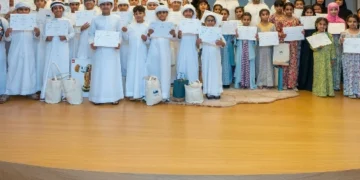























































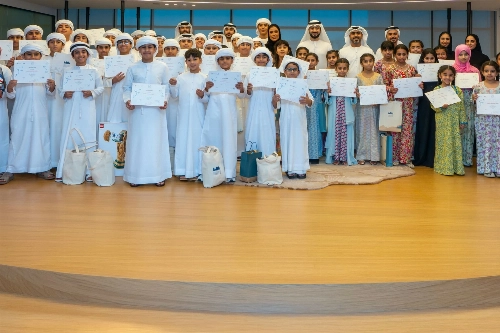
The Jeel 71 (Generation 71) Programme is actively shaping the character of Emirati youth by providing an educational framework that bridges the gap between rapid modern environmental changes and traditional national identity. By integrating cultural heritage with essential life skills, the initiative prepares the younger generation to navigate contemporary challenges with both confidence and a sense of responsibility.
Launched through a collaboration between the National Academy for Childhood Development and the Ministry of Family, the summer edition of the programme aligns with the UAE’s 2026 designation as the Year of the Family. This strategic alignment underscores the nation’s commitment to strengthening the foundational role of families in child-rearing. The initiative moves beyond standard educational activities by offering an integrated model that translates abstract cultural values into daily habits, fostering greater independence and a positive community presence.
Dr. Meera Al Kaabi, Acting President of the National Academy for Childhood Development, explained that the current summer session is specifically tailored for children aged 9 to 13. This age range is considered a pivotal developmental phase where personal character begins to crystallize, allowing children to develop the capacity for personal responsibility, constructive social interaction, and a deeper understanding of cooperation and belonging.
The curriculum features gender-specific workshops designed to address the unique developmental needs of boys and girls. Dr. Al Kaabi noted that the programme prioritizes practical application over theoretical learning, weaving traditional Emirati etiquette, known as Sana’a, into modern life skills. This approach emphasizes that national identity is built through the daily practice of core principles, including self-reliance, mutual respect, and prudent decision-making.
Dr. Al Kaabi encouraged parents to view the programme as a vital opportunity for their children to engage in real-world execution of their learning. By fulfilling daily responsibilities at home, children can sustain the impact of the workshops and foster ongoing dialogue with their families. This focus on the home environment ensures that the skills acquired are applied in the most primary setting for a child’s growth.
Following a successful inaugural edition that saw over 2,700 registration applications and more than 400 participants, the programme has significantly expanded its reach. It is now active across Abu Dhabi, Sharjah, Ajman, and Fujairah. Dr. Al Kaabi affirmed that this geographical growth responds to the increasing demand from families for structured environments that balance education with enjoyment, further reinforcing the UAE’s long-term investment in human capital from early childhood. The report also notes that speaking to the Emirates News Agency (WAM), Dr.
Source: Gulf Today