






































































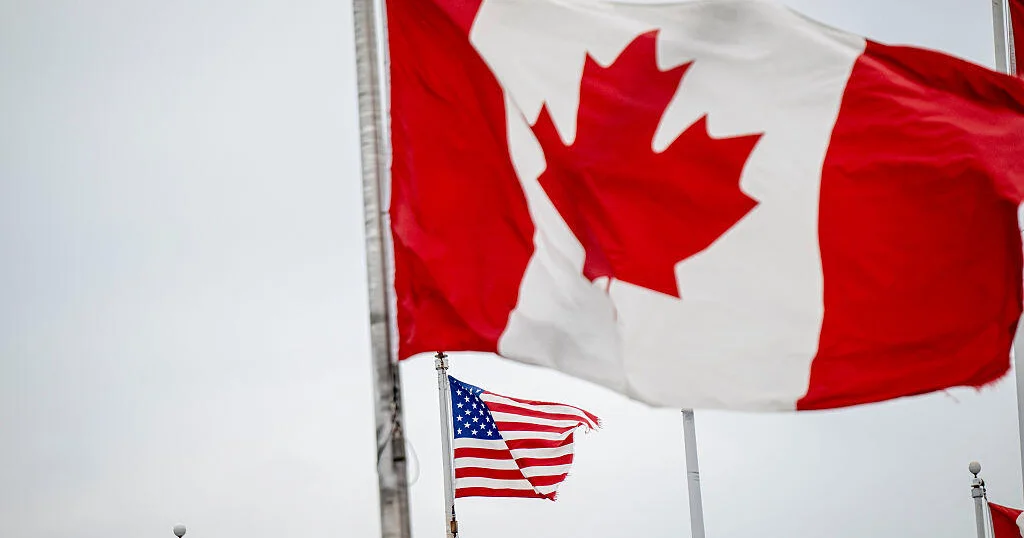
The United States government implemented 50% tariffs on $20 billion worth of Canadian products early Saturday morning. This move followed the failure of last-ditch negotiations intended to resolve growing tensions between the two long-standing allies. In response to the U.S. action, the Canadian leadership announced plans to initiate retaliatory measures beginning September 8.
U.S. Trade Representative Jamieson Greer confirmed in a late Friday briefing that Canada had declined to finalize a trade agreement based on terms negotiated earlier in the week. Greer stated on Fox News that there are currently no further talks planned with Canadian officials. He emphasized that the administration is proceeding with countermeasures, noting that after a year of what he described as Canadian retaliation, the U.S. has decided to respond to protect American workers and supply chains.
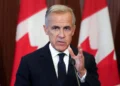
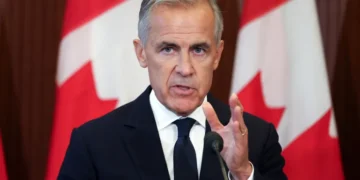
Canadian officials expressed frustration with the collapse of the talks. The Prime Minister stated in Ottawa that specific details regarding Canada’s response would be released in the coming days, with measures set to take effect the Tuesday following Labor Day. The planned retaliation is intended to be a dollar-for-dollar match, targeting key sectors including steel, dairy, appliances, agricultural equipment, electronics, and pulp and paper products.
The Canadian government had reportedly been prepared to drop existing retaliatory tariffs on U.S. steel, aluminum, and automobiles if the U.S. agreed to lower its own levies and encouraged provinces to restore U.S. alcohol sales. However, the Prime Minister argued that Washington’s final demands were excessive and unfair, ultimately leading to the suspension of negotiations and the recall of the Canadian team to Ottawa.
The Prime Minister characterized the new U.S. tariffs as a miscalculation, asserting that they are designed to divide Canadians, who he noted will continue to support one another. A senior Trump administration official countered that the U.S. was unable to provide the concessions Canada sought regarding existing tariffs on lumber, autos, and metals.
While the new U.S. import taxes will impact roughly 5% of annual Canadian shipments—ranging from medical supplies like tongue depressors to hockey sticks—the political fallout is expected to be significant. This trade dispute escalates tensions between nations that exchanged $880 billion in goods and services last year. The tariffs were initially scheduled for Wednesday, but President Trump had granted a three-day extension to facilitate a potential compromise that ultimately failed to materialize.
The current administration had previously imposed a 10% tariff on Canadian goods, though many imports remained exempt under the U.S.-Mexico-Canada Agreement. The relationship between the two nations has been strained by various disputes, including disagreements over NATO, a bridge project in the Detroit area, and rhetoric regarding Canada’s status.
Support for the Canadian government’s retaliatory stance has come from provincial leadership, with Ontario Premier Doug Ford stating that the Prime Minister has his full backing to pursue a tariff-for-tariff response. Economic experts note that while nearly 72% of Canada’s exports are destined for the U.S., the administration may face domestic pressure regarding these costs, as U.S. importers often pass tariff expenses to consumers already struggling with high living costs.
In other related developments, Walmart has announced the use of $2.9 billion in tariff refunds to reduce consumer prices. Additionally, the political landscape remains active with reports of a potential defamation lawsuit from President Trump against a think tank, and the passing of former Kansas Senator Nancy Kassebaum Baker at age 94. The report also notes that canada’s leader said it will retaliate beginning Sept. The report also notes that really to cut the tariffs on them, on steel, on tariff autos, even lumber, things that are sensitive for them, and they’ve always had the best deal, and they, we’ve been offering to bring the Canadians along on that path. The report also notes that saying, “They asked too much and offered too little,” Carney said, but he said Washington’s final demands went too far. The report also notes that proposed terms were unfair, uneconomic, and called into question the reliability of any deal.” He said he had suspended negotiations and directed Canada’s negotiating team to return to Ottawa. The report also notes that the tariffs were initially supposed to kick in at 12:01 a.m. The report also notes that earlier this week, Carney had said that “substantial progress has been made, although there is important work still to be done.
Source: CBS News