



























































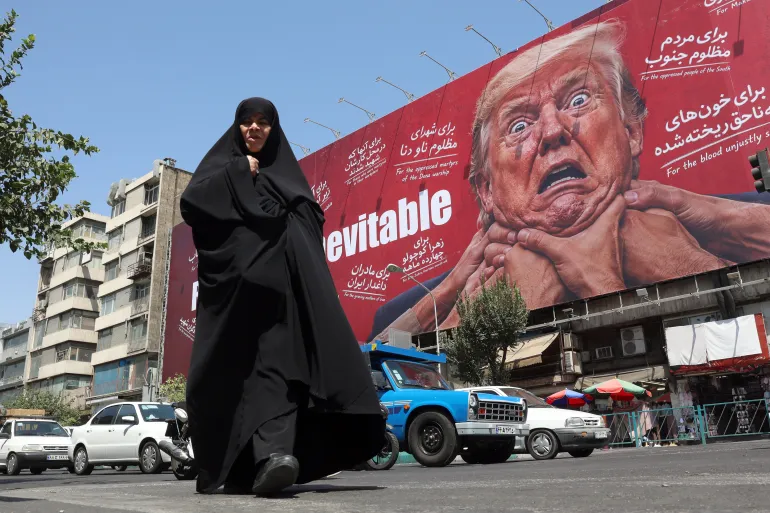
Iranian officials have sharply criticized the latest round of US economic sanctions, labeling the move a “complete erosion of sovereignty.” The backlash follows President Donald Trump’s recent warning that any nation or institution conducting business with Tehran will face severe economic consequences.
Foreign Ministry spokesman Esmaeil Baghaei addressed the announcement on Saturday via social media, describing the US policy as an “assertion of extraterritorial sovereignty” that undermines the United Nations-based international system. Baghaei warned that such actions represent an “abysmal return to full-scale classic colonialism,” arguing that no government has the authority to dictate the commercial relationships of foreign banks, enterprises, or airports.
The diplomatic tension escalated after President Trump declared on Wednesday that his administration is launching its “most crushing economic operation” against Iran. US Treasury Secretary Scott Bessent reinforced this stance on Thursday, asserting that the new regime is designed to cause the “collapse” of Iran and demanding that other nations choose between aligning with the United States or facing the fallout.
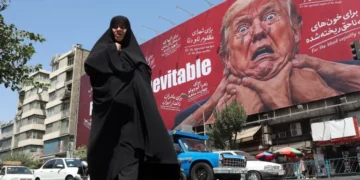
Responding to the threats, Iranian Foreign Minister Abbas Araghchi dismissed the measures as “bound to fail.” He noted that the country has endured decades of American economic pressure, stating, “We have seen this movie before,” while sharing a 2012 social media post from former President Barack Obama regarding previous sanctions.
The rhetoric comes amid a stalemate in diplomatic negotiations. While President Trump told reporters on Friday that his administration is monitoring the situation and believes Tehran is not yet prepared to make the “right deal,” the physical impact of the conflict is evident in the region’s maritime corridors.
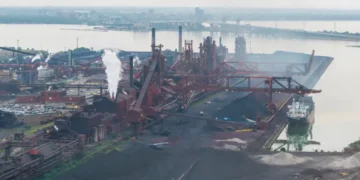
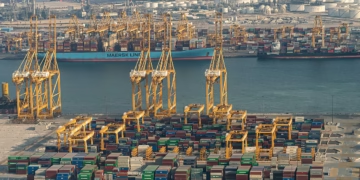
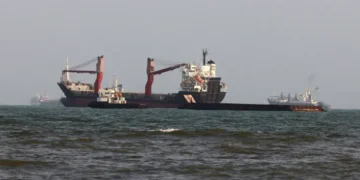
The US Navy continues to maintain a blockade against Iranian ports, effectively halting most traffic through the Strait of Hormuz. Shipping data from Thursday indicated that only four commodity vessels navigated the strait, with no large crude carriers or liquefied natural gas tankers among them, leaving thousands of seafarers stranded on hundreds of ships.
Despite the broader blockade, Iran has made exceptions for neighboring partners. State news agency IRNA reported on Saturday that Tehran granted special passage to several Iraqi oil tankers. This concession followed direct requests from Baghdad, which were a primary focus during the recent visit of Iranian parliament speaker Mohammad Bagher Ghalibaf to Iraq. The report also notes that the latest rhetorical back-and-forth comes as peace talks with Tehran have sputtered out.
Source: Al Jazeera