






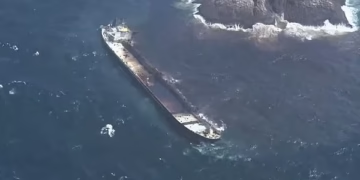























































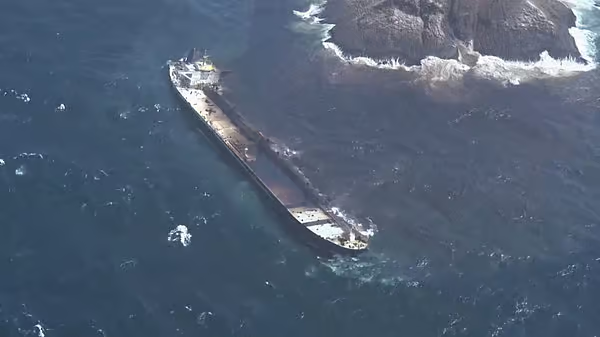
As Oman battles the spread oil spill threatening its marine wildlife — known to be one of the worst in the region — the focus has shifted towards human intervention causing major collateral damage to nature. On August 6, the transport ministry had revealed the sinking of an oil tanker — Caroline Bezengi — near Oman’s Al-Qibliyyah Island, part of the Al Hallaniyat Islands archipelago in Dhofar. The grounding and oil spill threaten the island’s fragile ecosystem. A few days later, the ministry confirmed the spill and stated that authorities were working on managing it to avoid environmental and public health crises.
Stay up to date with the latest news. Follow KT on WhatsApp Channels.
With the slick reaching Omani shores and contaminating Ras Madrakah beaches, the Sultanate has begun inspecting fish products in the local markets to ensure safety. As efforts continue to contain the spill, find out why oil spills occur in the first place and how they are contained. An oil spill occurs when liquid petroleum or refined oil products are released into the environment, particularly into marine ecosystems. Although both land and water spills are harmful and cause long-lasting damage, water spills tend to spread faster and harm wildlife immediately, while land spills slowly ruin soil and groundwater for decades.
Oil spills can happen due to multiple reasons, most of them being due to human activities. These range from tanker accidents to operational releases. Tanker accidents are a primary cause, where a ship may have run aground, been attacked, or suffered structural failure. Some spills also take place due to the operational release of oil into oceans, which violates several marine and environmental regulations. Pipeline leaks account for one per cent of oil spills, with such incidents taking place due to trawling of fishing nets or corrosion. These leaks often take place on land, with only a fraction of the leak reaching the oceans.
Offshore drilling accidents, although rare due to improved technologies, can result in a blowout—an uncontrolled release of crude oil or gas from a well. Damage to oil platforms also causes spills when structural failures, explosions, or collisions rupture storage tanks. Illegal or deliberate discharges occur when ships or industrial operators intentionally dump waste oil into the sea. Natural seepage also contributes to oil releases when oil and gas under deep underground pressure escape through natural cracks in the seafloor.
Once the oil enters the water, the slick doesn’t just remain in one area. It may spread across the water’s surface and be moved by currents and wind. Oil spills are devastating for the marine environment, impacting animals, their habitats, and food sources. Birds are particularly affected as oil coats their feathers, reducing their ability to stay warm and fly. Marine mammals can contaminate their fur or inhale toxic fumes. Fish, especially eggs and larvae, are highly vulnerable to chemical toxicity. Coral reefs can be smothered or chemically damaged, while oil embedded in sand, rocks, and wetlands can remain for years.
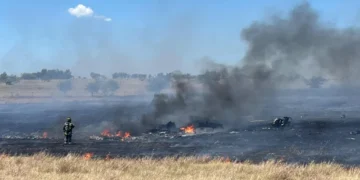
Multiple clean-up methods are used during oil spills as not all work in every situation. Booms are temporary floating barriers used to contain the spread of oil on water and protect sensitive habitats. Skimmers are mechanical devices used to physically separate and remove floating oil from the surface. Absorbent materials are solid substances that soak up or trap oil through absorption or adsorption. Dispersants are chemical sprays used to break large surface slicks into tiny, microscopic droplets that can be degraded by natural bacteria. Controlled burning removes large amounts of spilled oil from the water surface by setting it on fire directly at the source. Shoreline clean-ups remove bulk oil and contaminated sand or rocks from beaches to prevent further migration.
This process can eliminate over 95 per cent of a thick oil slick, turning the oil into carbon dioxide and water vapor while stopping the slick from reaching sensitive coastlines. Oil spills are a critical concern in the Gulf region because the semi-enclosed, shallow sea traps pollutants, threatening sensitive marine life. The region also relies heavily on coastal desalination plants that draw in seawater for drinking, making any contamination a direct threat to water security.
History is marked by catastrophic events. The Gulf War Oil Spill (1991) saw Iraqi forces intentionally release an estimated 380 million to 520 million gallons of crude oil into the Arabian Gulf, making it the largest oil spill in history. The Lakeview Gusher (1910–1911) was an accidental underground oil well blowout in Kern County, California, that spewed roughly 378 million gallons of oil before it was finally brought under control. The Deepwater Horizon (2010) explosion on BP’s offshore drilling rig in the Gulf of Mexico released roughly 134 million gallons of oil over nearly three months, ranking as the largest marine accidental oil spill.
Ixtoc I (1979) involved an exploratory offshore oil well blowout in the Bay of Campeche, resulting in an estimated 140 million gallons of oil spilling into the water over several months. The Atlantic Empress (1979) incident occurred when two supertankers collided off the coast of Trinidad and Tobago during a tropical storm, losing about 90 million gallons of oil in the largest ship-source spill ever recorded. These historical events highlight the persistent danger posed by the transport and extraction of fossil fuels.
Although data indicates that intentional spills have reduced since the 1990s with the tightening of laws and better build of hulls, accidental spills remain a constant threat. A small spill near a sensitive wetland can potentially cause serious ecological damage, while a larger spill in a different environment might have a different impact depending on the type and quantity of oil, location, weather, temperature, and ecosystem sensitivity.
As the situation in Oman evolves, the international community continues to monitor the impact on the Al Hallaniyat Islands and surrounding Dhofar waters. The focus remains on preventing the oil from reaching further sensitive coastlines and mitigating the long-term damage to the marine food chain, which is vital for both the local economy and the regional ecosystem.
Source: Khaleej Times