



























































President Trump has signaled an escalation in the U.S. economic campaign against Iran, with Treasury Secretary Scott Bessent vowing to collapse the regime through the implementation of the toughest sanctions in history. This unprecedented economic warfare relies heavily on the cooperation of the United Arab Emirates, a key U.S. ally in the Persian Gulf.
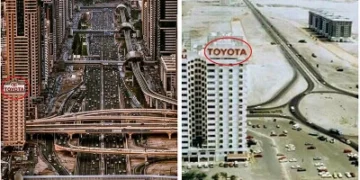
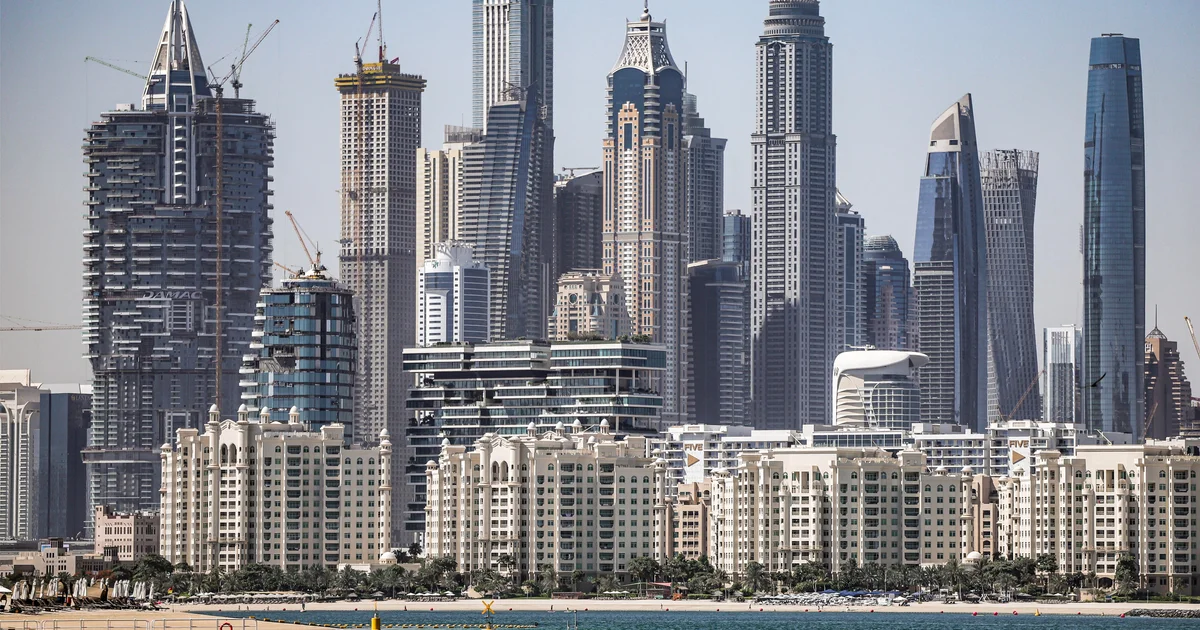
For years, Dubai has served as a vital financial gateway for the Iranian government, providing a mechanism to bypass international restrictions. According to former U.S. Treasury official Miad Maleki, approximately 80% of Iran’s foreign currency exchange is conducted through Dubai. This system allows Tehran to sell oil to nations like China and subsequently move those proceeds into various jurisdictions, including the UAE, via exchange houses to fund imports and maintain economic operations.
The U.S. Treasury has recently intensified its focus on this network, targeting several Dubai-based shell companies suspected of acting as a shadow banking system for the Iranian regime. Among those identified is HMS Trading FZE, which the Treasury alleges plays a critical role in facilitating revenue retrieval from overseas oil sales. Additionally, the U.S. has linked Iran’s Shahr Bank—an entity associated with the Islamic Revolutionary Guard Corps—to two Dubai-based currency exchange firms used for money laundering.
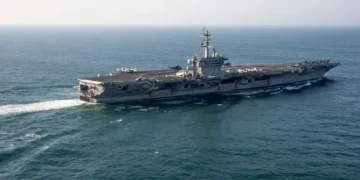
To combat these activities, the U.S. has barred American nationals from conducting business with these identified firms and warned that foreign banks facilitating transactions with these shell companies will face secondary sanctions. A Trump administration official noted that current naval blockades and financial pressure have already left the Iranian economy severely crippled.
In a significant shift, the UAE has moved to sever economic ties with Tehran. Afra Al Hameli, a spokesperson for the UAE Ministry of Foreign Affairs, announced this week that all commercial exchanges and financial transactions with Iran are suspended until further notice, emphasizing the country’s commitment to maintaining the integrity of the international financial system.
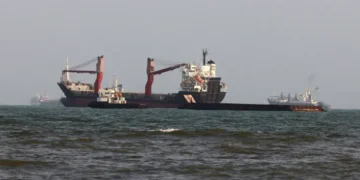
This proactive stance follows a series of escalations in the region. Emirati officials recently reported that Iran launched two ballistic missiles toward the UAE, forcing the activation of air defenses, though the projectiles reportedly landed in the sea. Furthermore, authorities previously cited an attack on an Abu Dhabi National Oil Company vessel in the Strait of Hormuz.
Analysts suggest that these provocations, combined with the economic strain caused by the closure of the Strait of Hormuz, have pushed Gulf nations to abandon their previous strategy of waiting for a U.S.-Iran diplomatic resolution. Maleki observed that the Emiratis are now realizing they can no longer remain on the sidelines as their own economies suffer from regional instability.
As the administration continues to seek ways to increase pressure, officials indicate there are numerous levers available to further tighten the squeeze on the Iranian regime in the coming months. The success of these efforts remains tied to the UAE’s willingness to continue blocking Iran’s access to its foreign reserves and currency markets. The report also notes that but the effectiveness of a bolstered economic campaign against Iran may rest largely on one close U.S. The report also notes that the Middle East’s leading financial center, has long had a reputation as a hub for opaque economic activity, the Emirati city of Dubai. The report also notes that said on Friday, treasury official. The report also notes that 7 statement shared with, the Treasury also said Iran’s Shahr Bank, which is linked to the country’s powerful Islamic Revolutionary Guard Corps, had relied heavily on two Dubai-based currency exchange firms to launder money.
Source: CBS News