





































































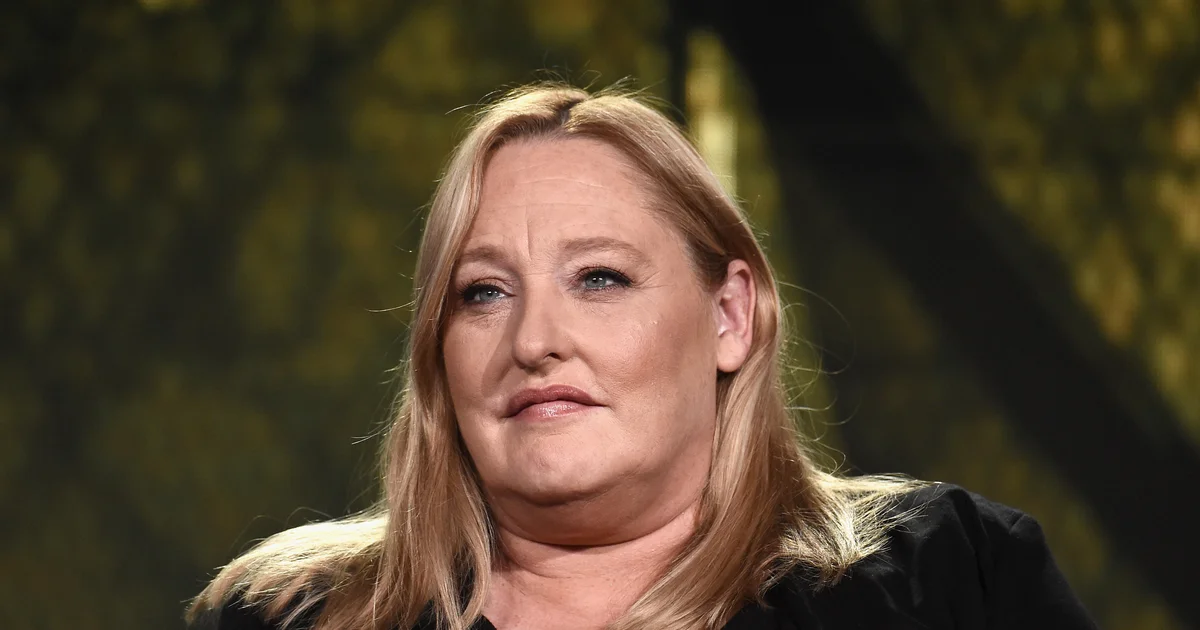
Heidi Beirich, a former executive at the Southern Poverty Law Center (SPLC), faces federal charges following a superseding indictment unsealed Wednesday. The government alleges she played a central role in a fraudulent scheme designed to deceive donors and financial institutions.
Prosecutors claim the SPLC misled the public and banks by stating it was actively dismantling extremist and white supremacist organizations. Instead, the government alleges the organization funneled payments to confidential informants embedded within those groups, effectively financing “violent, racist and extremist activities.”
This indictment represents the first time an individual associated with the civil rights nonprofit has been charged in the case, which was initially announced by the Justice Department in April. The charges against Beirich include wire fraud, bank fraud, and money laundering. The indictment specifically alleges that she managed payments to informants, including one individual with whom she maintained a “romantic relationship.”
Court documents detail that during this alleged relationship, Beirich and the informant shared a residence and two bank accounts. Prosecutors assert that between 2015 and 2021, approximately $140,000 was transferred from an SPLC-controlled account into their joint accounts, with some of those funds allegedly used to cover personal living expenses.
Michael J. Proctor, counsel for Beirich, stated that his client is innocent and described the case as “without merit.” He characterized the charges as politically motivated, suggesting that Beirich is being targeted due to her long-standing efforts to combat extremism. Proctor emphasized that Beirich remains undeterred by the allegations, which he labeled as false and politicized.
The SPLC itself is currently facing 11 counts of wire fraud, bank fraud, and conspiracy to commit money laundering. Prosecutors allege the group created shell accounts to funnel money to insiders within hate groups it publicly pledged to dismantle. The organization has entered a plea of not guilty to these charges.
Beirich, who left the SPLC in December 2019, previously served as the director of the organization’s Intelligence Project, its research and monitoring arm. She joined the nonprofit in 1999 as a writer and rose through the leadership ranks over two decades.
The federal investigation into the SPLC began in 2018 under then-Attorney General Jeff Sessions, initially focusing on allegations that the group’s chief financial officer had embezzled funds. The probe expanded in 2019 under Attorney General Bill Barr to examine potential tax issues and the use of bank accounts for informant payments. While IRS agents discovered that the former CFO had established shell accounts with the help of bank employees, that individual has not been criminally charged, and no tax-related charges were ultimately filed.
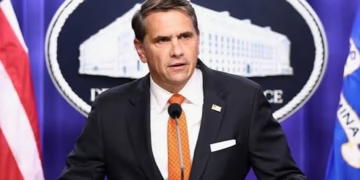
During a Wednesday press conference, Attorney General Todd Blanche mistakenly referred to Beirich as the SPLC’s former CFO. He stated his belief that she participated in the scheme by helping open bank accounts and authorizing payments for inaccurate purposes.
Earlier this month, a federal judge rejected the SPLC’s motion to dismiss the case based on claims of vindictive prosecution, ruling that the defense failed to provide evidence of animus by prosecutors. Meanwhile, Abbe Lowell, who is defending the SPLC, dismissed the new charges as a sign of a “desperate government” struggling with a weak case as the trial approaches.
Beirich is scheduled to be arraigned on August 19.
19, according to the case docket.
Legal experts have previously said they believe the case contains a number of potential legal defects, noting it is not clear from the language in the indictment itself that donors had in fact been misled or that banks
“This charge reflects a desperate government confronting a weak case, scrambling to make something — anything — stick as we approach trial,” he said.
In a statement to, Beirich’s lawyer Michael J.
“I believe she was part of the effort to open bank accounts… and make payments to individuals for reasons that were not accurate as described,” he said, before the indictment was available on the public docket.
Legal experts have previously said they believe the case contains a number of potential legal defects, noting it is not clear from the language in the indictment itself that donors had in fact been misled or that banks were deceived into taking certain actions due to fraud.
Source: CBS News