








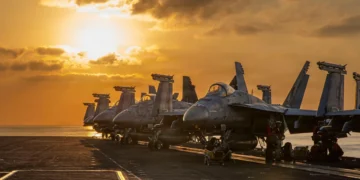



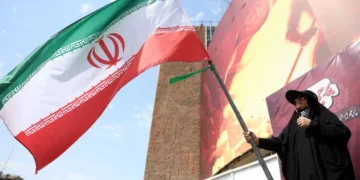








































Iran has issued a stern warning that its response to any new threats from the United States will be “devastating.” This declaration follows Washington’s pledge to implement the most severe financial penalties in history, explicitly aimed at toppling the current Iranian leadership. The escalation follows comments made Thursday by US Treasury Secretary Scott Bessent, who echoed President Donald Trump’s warning that any nation providing a “lifeline” to Iran would face significant economic consequences. Bessent indicated that further details regarding these measures would be released on Monday.
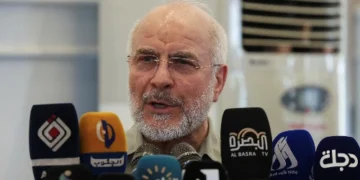
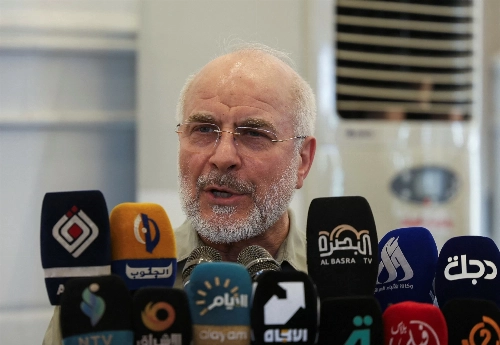
Major General Ali Abdollahi, chief of staff of Iran’s Armed Forces, stated that the country’s reaction would be both broad and decisive. He emphasized that Iranian forces are prepared across land, sea, air, air defense, and cyberspace to deliver “crushing, punishing and devastating” responses to any new enemy aggression. Meanwhile, Parliament Speaker Mohammad Baqer Qalibaf, who serves as Iran’s primary negotiator in mediated talks with the US, suggested that Washington has likely realized it cannot succeed through direct military confrontation. During a visit to Iraq, Qalibaf accused the US and Israel of engaging in “cognitive” and economic warfare, urging domestic planning to overcome these “unjust sanctions.”
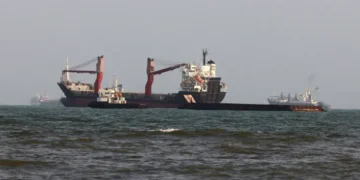
The tension has increasingly focused on China, which remains a primary buyer of Iranian oil. While 2025 data from Kpler indicates China imports over 80% of Iran’s shipped crude, the reimposition of a US blockade on Iranian ports on July 13 has already led to a decline in offers to Chinese buyers and a subsequent rise in global prices. When questioned about the potential for US sanctions against China for its continued trade with Tehran, Bessent suggested that such sensitive discussions are best handled privately. He noted that because China sources 50% of its energy from the Gulf, it would be in their interest to align with US policy.
In response to the mounting pressure, the Chinese embassy in Washington issued a statement asserting that “sanctions and pressure do not help resolve the problem.” A spokesperson for the embassy called on all relevant parties to pursue responsible actions and seek a resolution through diplomatic and political channels rather than economic warfare. The situation remains volatile as the US continues to leverage its financial influence to isolate Tehran, while Iran maintains a posture of military and economic defiance. The report also notes that according to 2025 data from analytics firm Kpler, but engaging in further economic warfare with Beijing, a major exporter to the US including of vital rare-earth minerals, china buys more than 80% of Iran’s shipped oil.
Source: Gulf Today