






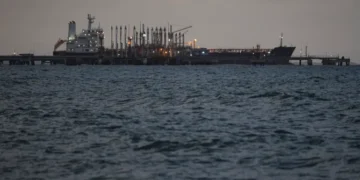



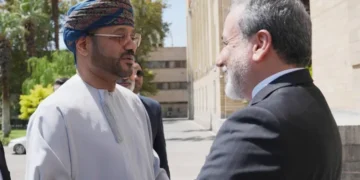















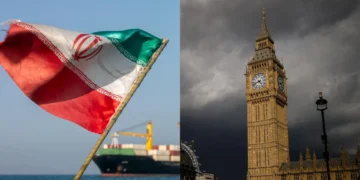


























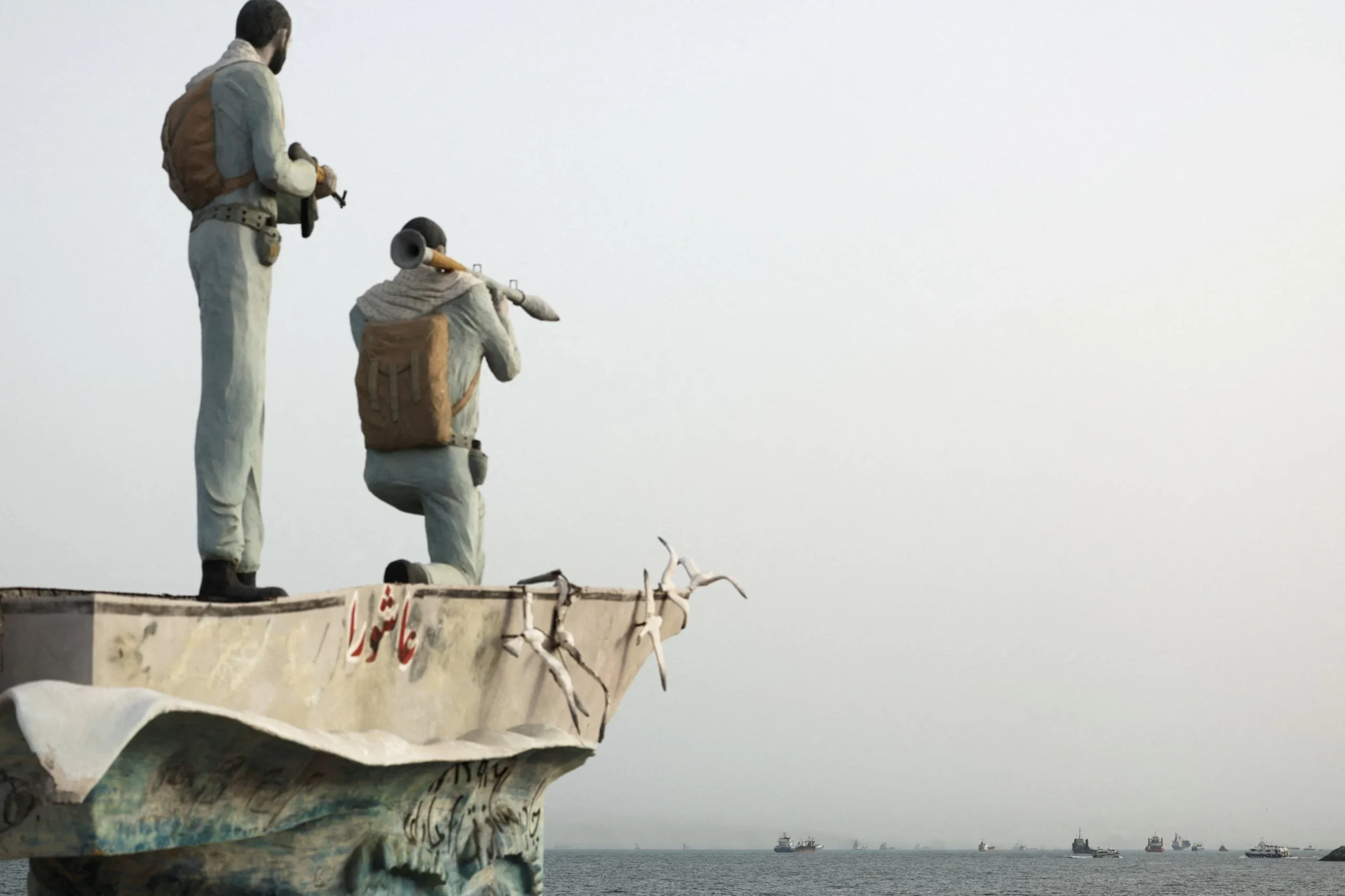
A US official reported on Friday that ongoing discussions between Iran and Oman have shown progress, potentially leading to the reopening of the Strait of Hormuz. This development could restore global oil exports that have been significantly disrupted during the five-month conflict between the United States and Iran. The official, who requested anonymity, indicated that Washington expects an agreement between the two nations—which border the waterway—to facilitate the resumption of normal oil traffic.
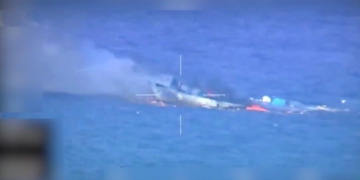
“There is progress between Oman and Iran on the strait, and we expect a deal soon,” the official stated, adding that once a formal agreement is announced to ensure unhindered commercial shipping, the United States will proceed to lift its blockade on Iranian ports. The official emphasized that any American actions remain performance-based and strictly tied to Iran’s adherence to its commitments. Before the conflict began on February 28, the strait handled roughly one-fifth of the world’s oil supply, but Iran has since utilized the hostilities to impose tolls on tankers and fire upon vessels attempting to transit without authorization.
The resulting disruption to energy shipments has driven up global prices and contributed to inflationary pressures. While the Trump administration has previously suggested that a deal was near, those claims were often met with denials from Tehran, leaving the durability of these latest negotiations uncertain. Beyond the Strait of Hormuz, Iran has also coordinated with Yemen-based Houthi allies to target shipping near the Red Sea and the Gulf of Aden.
Direct high-level diplomatic engagement between Washington and Tehran has been limited since US Vice President JD Vance met with Iranian officials in Switzerland this past June. That meeting produced a June 17 memorandum of understanding intended to resume shipping and establish a ceasefire, though the agreement was short-lived. Following internal opposition in both countries, hostilities flared up again on July 7 before entering a new pause. The US military’s Central Command has reported no strikes on Iran since July 29.
Political analysts suggest that internal divisions within Iran—specifically between civilian President Masoud Pezeshkian and hardline power centers, including Supreme Leader Ayatollah Mojtaba Khamenei and the Islamic Revolutionary Guard Corps—are complicating the peace process. Despite this, President Pezeshkian defended his administration’s diplomatic approach during a state television interview on Friday.
Addressing domestic critics, Pezeshkian argued that the majority of senior military commanders support the current push for a negotiated end to the fighting. Questioning the logic of those opposed to diplomacy, he asked, “America’s biggest enemy is China, why don’t they fight? China is doing its own thing and is getting stronger day by day. When we can get our rights through dialogue, why not do it?”
Before the US and Israel launched the war on Iran on February 28, about one out of every five barrels of oil consumed worldwide transited the strait, but Iran has used the hostilities to justify charging a toll on oil t
Amid internal opposition to the deal in the US and Iran, hostilities resumed on July 7, only to be put on hold again.
It was unclear whether the latest flurry of negotiations would yield a more lasting arrangement.
Source: Gulf Today