







































































The remains of former Bosnian Serb army commander Ratko Mladic, who died last week at age 84 while serving a life sentence, have been transported to Belgrade for burial. The casket was flown from the Netherlands on a Serbian government plane and received with military honors upon arrival.
Mladic was convicted in 2017 for his role in genocide, crimes against humanity, and war crimes during the 1992-1995 conflict in Bosnia and Herzegovina. The UN tribunal confirmed that his remains were handed over to his next of kin at Rotterdam The Hague Airport on Thursday afternoon. Upon landing in Belgrade, the coffin was carried from the aircraft by six soldiers in the presence of his son, Darko, and Serbian Justice Minister Nenad Vujic.
Vujic indicated that the family will release formal funeral arrangements shortly. Pro-government media outlets have reported that a military commemoration is scheduled for Saturday, followed by a funeral on Monday. Authorities, including the state security agency and police, have projected that the events could draw “tens of thousands” of attendees.
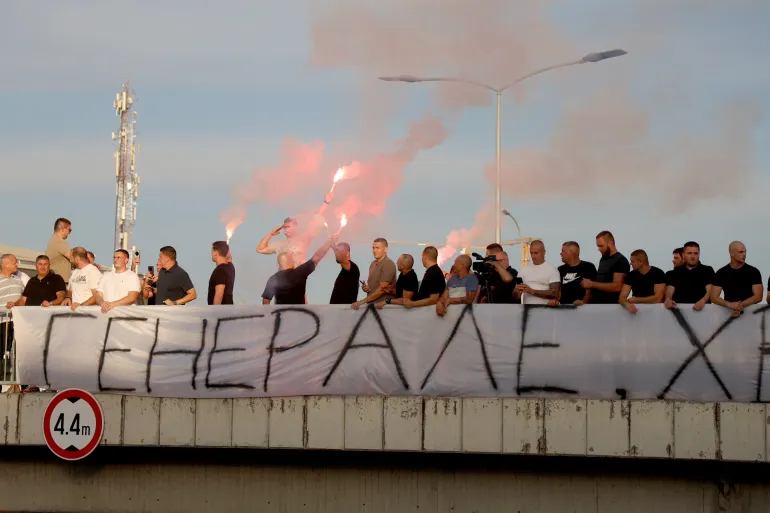
The return of the commander has sparked controversy, as many in Serbia view him as a hero, while the international community remains critical. The 1992-1995 Bosnian War resulted in more than 100,000 deaths and displaced over 1 million people before concluding with a United States-brokered peace agreement. The conflict included the Srebrenica massacre, which was recognized as the first genocide in Europe since World War II, where Bosniak men and boys were killed and buried in mass graves.
The International Criminal Tribunal for the former Yugoslavia issued a statement asserting it stood “in solidarity with the victims, survivors and their families who suffered the crimes for which Mr Mladic was found guilty.” The tribunal further condemned “any actions that glorify those convicted of war crimes, crimes against humanity and genocide by international courts.”
While Serbia is currently pursuing membership in the European Union, the government has remained defiant regarding its wartime history. In response to the planned honors, the EU’s enlargement commissioner issued a warning, stating that “the glorification of war criminals has no place in an EU member country nor in a candidate country.”
Source: Al Jazeera