




















































The United States has signaled its intent to implement what it describes as “the toughest sanctions in history” to force Iran to comply with its demands following nearly six months of conflict. This move has heightened concerns regarding a potential new wave of regional escalation across the Gulf.
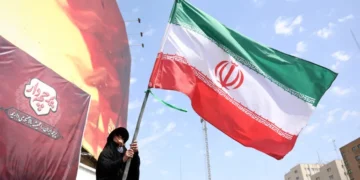
Mohsen Rezaei, a former Revolutionary Guards chief and current secretary of Iran’s Supreme National Security Council, has warned that Tehran may respond by halting oil exports. He stated that if the economic pressure persists, not a single drop of oil will be exported through the Strait of Hormuz or anywhere in the Persian Gulf. This strategy has been a central pillar of Iran’s approach since the war began on February 28.
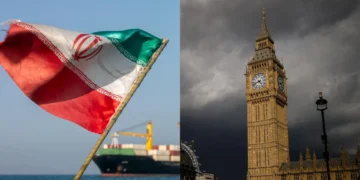
The impact on global energy transit is already significant. Attacks and threats against shipping have largely paralyzed the Strait of Hormuz, a critical waterway that accounted for approximately one-fifth of global energy supplies before the conflict. While some tankers have managed to transit the area recently, volumes remain critically low. On Sunday, Iranian authorities blacklisted 45 tankers, alleging they failed to comply with newly imposed shipping regulations.
Beyond the Gulf, Iranian-backed Houthi forces have disrupted Red Sea shipping, specifically targeting vessels near the Bab el-Mandeb strait. While initial attacks allowed some traffic to pass, industry sources report that major Chinese shipping firms are now rerouting vessels to avoid the area. Recent strikes, such as the attack on a vessel near the Saudi oil terminal at Yanbu and a drone strike near the Suez Canal in early August, continue to drive up oil prices and market anxiety.
Iran has also issued warnings of “earthquake”-force retaliation against any neighboring countries that assist in US efforts to isolate its economy. Throughout the conflict, Iran has repeatedly targeted US bases, energy infrastructure, and other sites in Jordan and various Gulf states. Analysts suggest that intensified strikes on upstream oil and gas facilities or critical power and water desalination plants could inflict severe political and economic damage on US-aligned Gulf monarchies.
While Western nations remain outside the range of Iran’s conventional munitions, security officials warn of alternative tactics. Britain recently reported that Iran-linked hackers disabled a small electricity station, and US officials have linked Tehran to cyber attacks on water facilities in Minnesota. Iran has not commented on these specific allegations. Furthermore, Western security services have accused Iran of recruiting local operatives to conduct attacks or assassinations within Western countries, claims that Tehran has consistently denied.
Diplomatic efforts remain ongoing, with an Iranian official confirming that the Omani foreign minister is scheduled to visit Tehran to continue discussions regarding the status of the Strait of Hormuz. The report also notes that dubai’s Toyota Building: Iconic sign to live on, ‘one last surprise’ planned. The report also notes that abu Dhabi-born Malayali Kaziah Liz Mejo crowned Miss Universe India 2026. The report also notes that can Iran stop more oil getting out of the Middle East. The report also notes that stay up to date with the latest news. The report also notes that meanwhile, Tehran’s Houthi allies have restricted Red Sea shipping with attacks and threats to blockade all Saudi Arabian shipping, which carries crude to Asia through the Bab el-Mandeb strait past the group’s Yemeni stronghold. The report also notes that iran has threatened to retaliate against any neighbours who take part in US efforts to strangle the country’s economy with “earthquake” force.
Source: Khaleej Times