

































































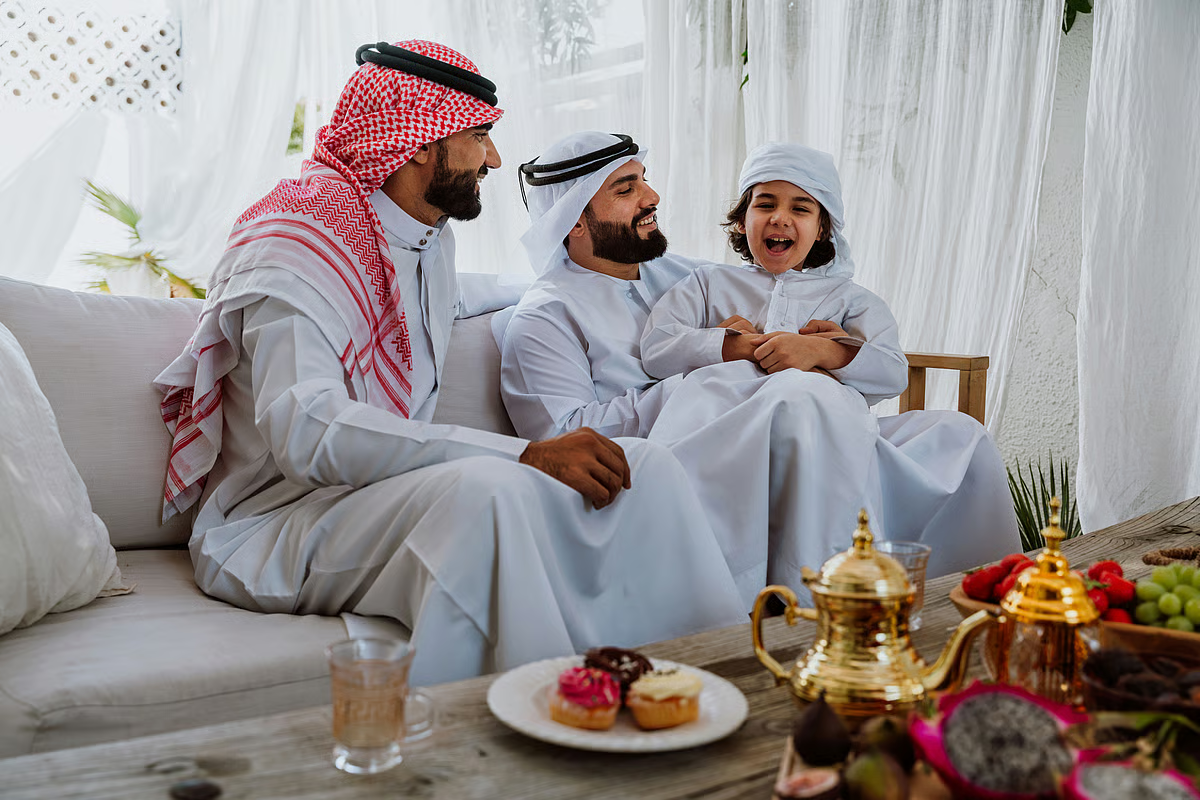
In the UAE, generosity is often a quiet, understated affair that avoids the spotlight. It is a cultural hallmark where acts of kindness are woven into the fabric of daily life, frequently occurring without fanfare or the need for public recognition.
Everyday Gestures of Kindness
- Neighborly care: A neighbor might drop off a plate of machboos, claiming it is merely “extra” food, even when the portion is clearly intended to feed a full gathering.
- Small acts: A driver may refuse payment for a cup of karak, simply stating, “it’s on me.”
- Family traditions: A grandmother might discreetly slip money into a child’s hand with the instruction, “Don’t tell your mother.”
- Spontaneous gifts: Items are often given without any specific occasion—no birthdays or holidays—accompanied only by the sentiment, “I saw this and thought of you.”
For many Emiratis, these acts are not chores to be discussed but natural expressions of care. This ethos is particularly evident in the home, where hospitality follows its own unspoken rules. A guest is rarely allowed to leave empty-handed; they are often showered with dates, sweets, perfumes, or homemade meals. Even when a guest politely declines an offer of food, the host often treats the refusal as a minor hurdle rather than a final answer, ensuring the visitor feels fully looked after.
The Social Dance of Giving
There is a distinct, almost humorous social dance involved in Emirati gift-giving. It is common for a recipient to refuse a gift several times before finally accepting it. This exchange allows the giver to express generosity without making the receiver feel uncomfortable, while the receiver demonstrates humility. Somewhere between the initial “no” and the eventual acceptance, the true message of affection is successfully conveyed.
Generosity Beyond Material Goods
While the UAE is globally recognized for its large-scale charitable initiatives and philanthropy, the culture of giving is equally vibrant in smaller, personal moments. This includes helping a friend secure a job, making a supportive phone call, or simply checking in on someone during a difficult week. These actions are deeply connected to the concept ofsadaqahor voluntary charity, which emphasizes that the most meaningful forms of giving do not always involve money.
A Lasting Tradition
Even as modern lifestyles, busy schedules, and convenience-based services become more prevalent, the instinct to provide remains strong. There is a profound satisfaction in handing someone a gift directly, rather than relying on digital deliveries or impersonal gestures. Whether it is a cup of Arabic coffee offered before it is requested, a neighbor checking if you need groceries, or a friend remembering a specific preference from months prior, these ordinary moments define the local culture.
In an era where many acts of kindness are documented and shared online, there is something uniquely comforting about the UAE’s preference for keeping such gestures private. These acts remain personal, intended only for the recipient, and are performed simply because the person mattered enough to be remembered. The report also notes that even though there somehow seems to be enough for an entire majlis, it can look like a neighbour sending over a plate of machboos because there was “extra” food. The report also notes that that “little” may arrive on a plate large enough to require both hands. The report also notes that giving food is one of the simplest ways people show affection. The report also notes that a sweet, a small perfume, a container of homemade food, the gesture does not have to be expensive to matter, a box of dates. The report also notes that because the point was never really the item. The report also notes that also Read: International Youth Day: The UAE’s young generation is already building its future. The report also notes that matcha and desserts, also Read: Rutab is having a moment this summer — and it’s showing up in your coffee.
Source: Gulf News