
































































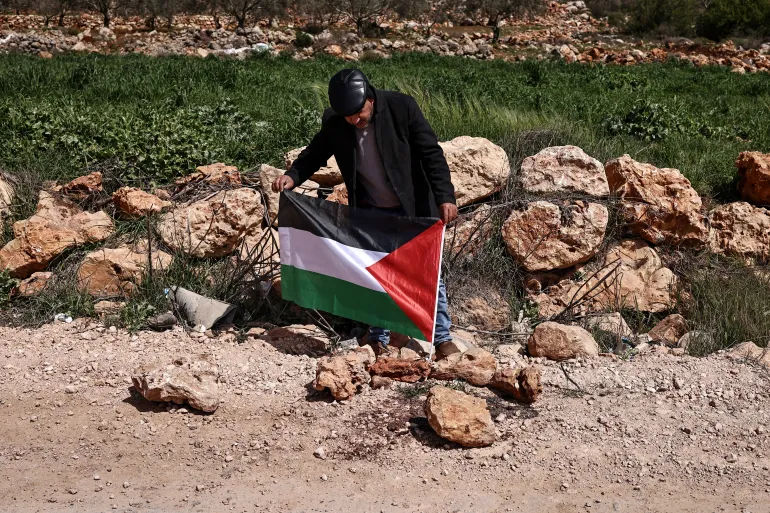
A coalition of Western nations has issued a stern condemnation of Israel’s decision to open construction tenders for over 1,200 housing units within the controversial E1 settlement project. In a joint statement released on Thursday, the United Kingdom, France, Germany, Italy, the Netherlands, Canada, and Norway labeled the move “unacceptable.” The nations emphasized that the development violates the territorial contiguity of the Palestinian Territories and warned of potential “legal and reputational consequences” for any entities involved in the project. The group urged Israel to immediately retract the plans and halt all settlement expansion, noting that such actions not only obstruct the path to peace but also severely damage Israel’s international standing.
International Opposition and Regional Concerns
The condemnation extends beyond Europe and North America. Egypt’s Foreign Ministry issued a formal rejection of the attempt to solidify the status quo through illegal expansion, calling upon the global community to take decisive action to halt these violations. Similarly, Malaysian Prime Minister Anwar Ibrahim stated via social media that the plans “gravely undermine the prospect of a contiguous Palestinian homeland.” Ibrahim further accused Israel of abandoning even the pretense of seeking peace or respecting international will. The United Nations has echoed these concerns, with spokesperson Stephane Dujarric noting that the Secretary-General is “deeply alarmed” by reports of new illegal outposts and the latest construction tenders.
Strategic Impact of the E1 Project
- The E1 project is slated to include at least 3,400 housing units in total.
- The development covers approximately 12 square kilometers (4.6 square miles) of Palestinian land.
- The project aims to connect occupied East Jerusalem to the Maale Adumim settlement bloc.
- The construction would effectively bisect the West Bank from north to south, severing the territory’s link to East Jerusalem, which Palestinians seek as the capital of a future state.
Political Context and Humanitarian Crisis
Israel granted final approval for the E1 plan last August. Finance Minister Bezalel Smotrich, a proponent of the expansion, described the move as “historic,” boasting that the prospect of a Palestinian state is being “erased from the table not with slogans but with actions.” This latest push follows a previous wave of condemnation from at least 21 countries. Analysts suggest that the accelerated scramble for settlement expansion may be linked to Israel’s upcoming elections scheduled for October.
The advancement of these plans occurs against a backdrop of escalating violence and displacement. Rights organizations report that the growth of illegal settlements has accelerated significantly since October 2023. According to data from the United Nations humanitarian body, the number of Palestinians forcibly displaced by settler violence, home demolitions, and evictions in the first four months of 2026 has already surpassed the total for the entire year of 2025. A recent report by Human Rights Watch warns that dozens of Palestinian communities across the West Bank are currently at risk of total erasure as the demographic landscape of the region is forcibly altered. The report also notes that israeli plans to build a major new illegal settlement that would cleave the occupied West Bank in two have provoked widespread condemnation from around the world.
Source: Al Jazeera