






























































The conflict between the United States and Iran has reached a critical juncture as of August 28, 2026. While Washington maintains that it is not currently engaged in direct negotiations with Tehran, diplomatic efforts are intensifying through intermediaries. Qatar’s Prime Minister and Foreign Minister, Sheikh Mohammed bin Abdulrahman Al Thani, has arrived in Tehran to meet with Iranian President Masoud Pezeshkian and Foreign Minister Abbas Araghchi in an attempt to de-escalate the situation.
Despite these mediation efforts, the White House continues to emphasize that Iran must demonstrate meaningful engagement before formal talks can resume. Instead, the US administration is doubling down on economic pressure through a campaign dubbed “Operation Economic Outcast,” which aims to restrict Iran’s access to international trade and financial resources.
Strait of Hormuz and Shipping Status
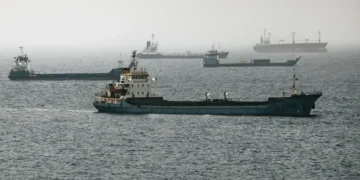
- Current TrafficWhile shipping activity has seen a slight uptick, it remains well below historical norms. Kpler data indicates 10 commodity vessels transited the strait on Wednesday, up from eight the previous day, yet still significantly lower than the 10-day average of 15 vessels.
- Security RisksThe route remains hazardous, evidenced by a recent incident where a tanker was struck by an unidentified projectile.
- Potential ReopeningIranian security official Mohsen Rezaei stated that Tehran is preparing conditions to reopen the waterway. Discussions between Iran and Oman are reportedly underway regarding mine-clearing operations and a temporary commercial corridor through territorial waters.
- DemandsTehran is seeking sanctions relief, compensation for losses, and an end to the blockade previously proposed by the US.
Military and Diplomatic Outlook
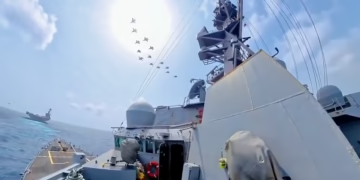
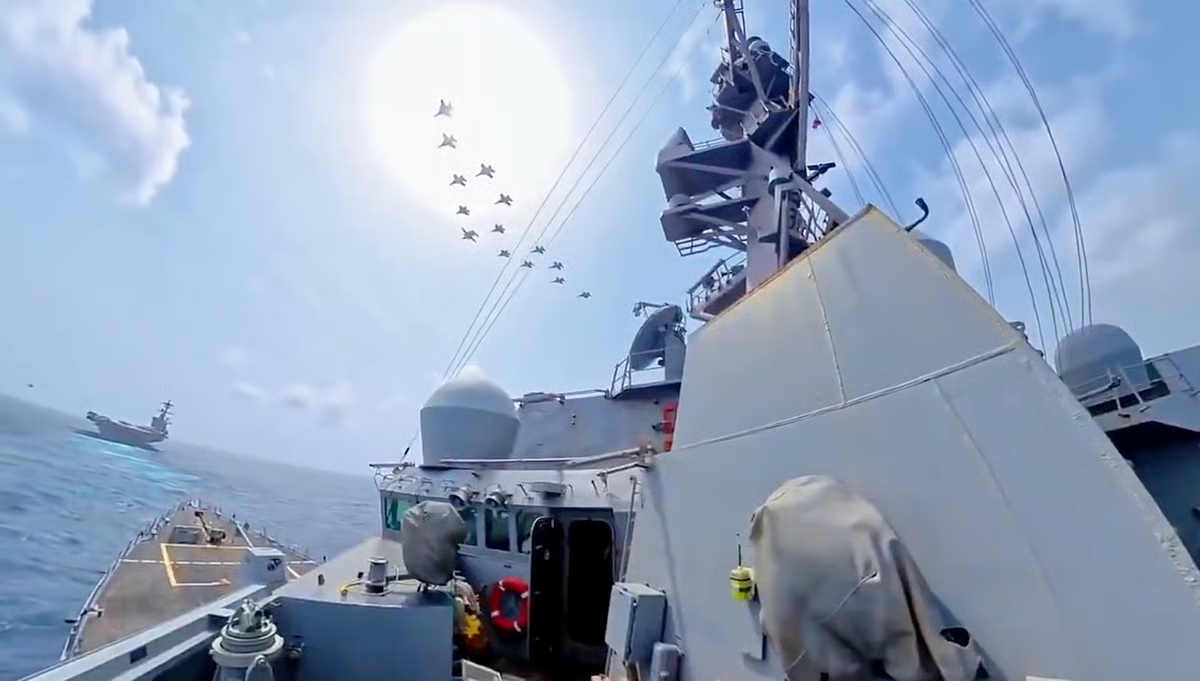
The US military maintains a significant presence in the region to manage potential escalations. The USS George Washington has arrived in the Arabian Sea to relieve the USS Abraham Lincoln, which has been deployed for an extended period. This rotation underscores a dual-track strategy: Washington remains open to diplomacy while simultaneously preparing for the possibility that current mediation efforts may fail.
Travel and Aviation Guidance
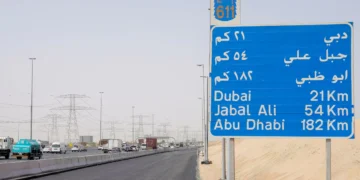
Aviation operations in the UAE continue, though travelers are advised to remain cautious as schedules remain susceptible to rapid changes. The conflict has significantly impacted regional air travel; Dubai International Airport (DXB) reported 31.5 million passengers in the first half of 2026, representing a 31.3% year-on-year decline due to airspace disruptions. The report also notes that the US military is keeping a tight grip over Iran-linked ships, keeping significant naval power in the region, sending a new carrier strike group as the prolonged conflict is reportedly putting pressure on US missile-defence stocks and keeping shipping and aviation risks elevated, at the same time. The report also notes that the immediate concerns remain security, flights, oil prices, shipping, banking restrictions and the possibility of another escalation, for UAE residents. The report also notes that here are the key developments on Friday, Aug. The report also notes that the biggest diplomatic complication is the widening gap between indirect mediation and actual US-Iran negotiations. The report also notes that his mission: to try to revive a diplomatic pathway and prevent the conflict from escalating further. The report also notes that qatar is particularly important because Doha has previously played a role in mediating between Iran and the United States. The report also notes that the latest effort comes as Oman and Iran work separately on a possible arrangement for commercial shipping through Hormuz. The report also notes that any breakthrough could quickly affect.
Traveler Recommendations
- Verify SchedulesDo not rely solely on social media for cancellation updates; check directly with airline apps or official websites.
- Monitor ConnectionsCarefully review all connecting flight arrangements, as the situation remains fluid and can change faster than published timetables.
- Expect VariabilityWhile some regional carriers are restoring services, international networks may continue to operate with reduced capacity or suspended routes due to ongoing security concerns.
Source: Gulf News