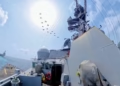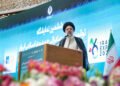





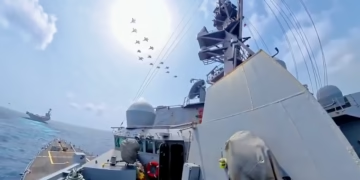














































Six months after the initial surprise attacks by Israel and the United States on February 28, the conflict with Iran has shifted from hopes of a rapid structural change in Tehran to a reality of stagnation and attrition. Analysts suggest that the initial American goal of forcing a regime collapse has failed, leaving the region to navigate a protracted period of managed fallout and ongoing instability.
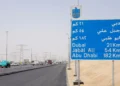
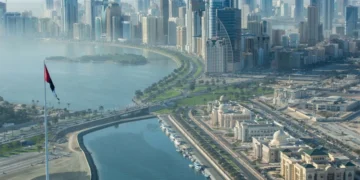
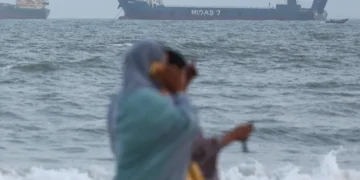
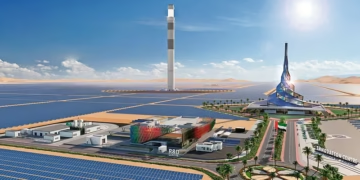
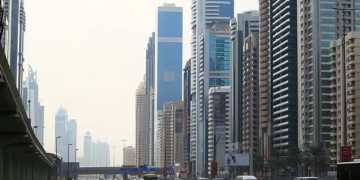
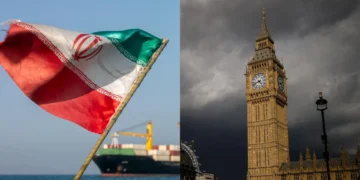
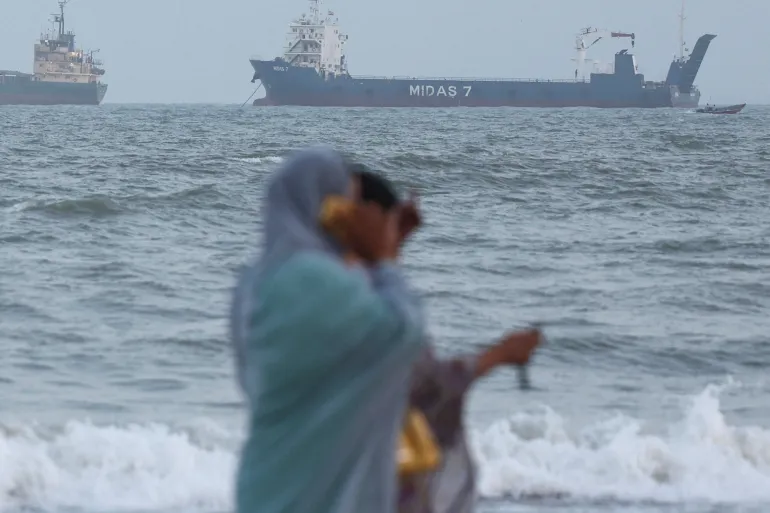
The economic impact has been severe for oil-dependent nations. Traffic through the Strait of Hormuz has slowed significantly following Iranian strikes on shipping and a subsequent US blockade of Iranian ports. These disruptions, coupled with strikes on regional cities, have hampered the ability of Gulf states to utilize oil revenues for economic diversification and have undermined their status as stable havens for international investment.
John Sfakianakis, chief economist at the Gulf Research Center, noted that rising oil prices have been offset by the logistical difficulties of exporting energy products. With inflation climbing alongside oil prices, Gulf states are facing mounting pressure to increase their defense spending. Shipments of oil, LNG, and derivative products have faced consistent disruption since the conflict began, while the maritime environment became increasingly volatile in July when Iran-allied Houthi rebels declared a naval blockade of Saudi Arabia.
Despite a memorandum of understanding signed between Washington and Tehran in June, which lowered the intensity of direct hostilities, the region remains highly militarized with no clear conclusion in sight. Existing regional tensions, particularly the conflict between Houthi forces and Saudi Arabia in Yemen, appear likely to intensify as the war continues. Furthermore, the influence of global powers like China and India remains persistent, with Beijing’s Belt and Road Initiative already deeply embedded across the Middle East and North Africa.
Sanam Vakil, director of the Middle East and North Africa Programme at Chatham House, observed that the war has primarily accelerated existing trends rather than initiating new ones. Gulf nations were already in the process of diversifying their economies and seeking to broaden defense partnerships beyond traditional US security guarantees to bolster their own capabilities. This shift is exemplified by a recent defense pact signed in Mecca between Saudi Arabia, Turkiye, and Pakistan.
Meanwhile, Israel continues to pursue its regional project of “paramountcy,” according to HA Hellyer of the Royal United Services Institute. Despite this objective, Hellyer emphasized that there is no realistic prospect of the Iranian government falling within the next six months. While sustained economic pressure could theoretically trigger a long-term ripple effect leading to state collapse, such an outcome would likely take years rather than months, and the volatile nature of the region makes such a static scenario unlikely.
As the conflict persists, most states in the region are focusing on managing the immediate consequences and adapting to a new reality where traditional alliances no longer provide absolute security. The current environment remains in flux, forcing nations to navigate a complex landscape of shifting power dynamics and economic strain. The report also notes that “The war has just accelerated trends, but hasn’t really started anything that wasn’t already under way. The report also notes that not months, and everything is not likely to stay the same.”, but we’re talking years. The report also notes that the effective closure of the Strait of Hormuz and strikes on regional cities have hindered Gulf states’ plans to use oil revenues as an engine to diversify their economies and build on their reputations as a safe haven to encourage investors. The report also notes that for now, the majority of the states caught in the middle will look at ways of living with the turmoil and managing the consequences.
Source: Al Jazeera