




































































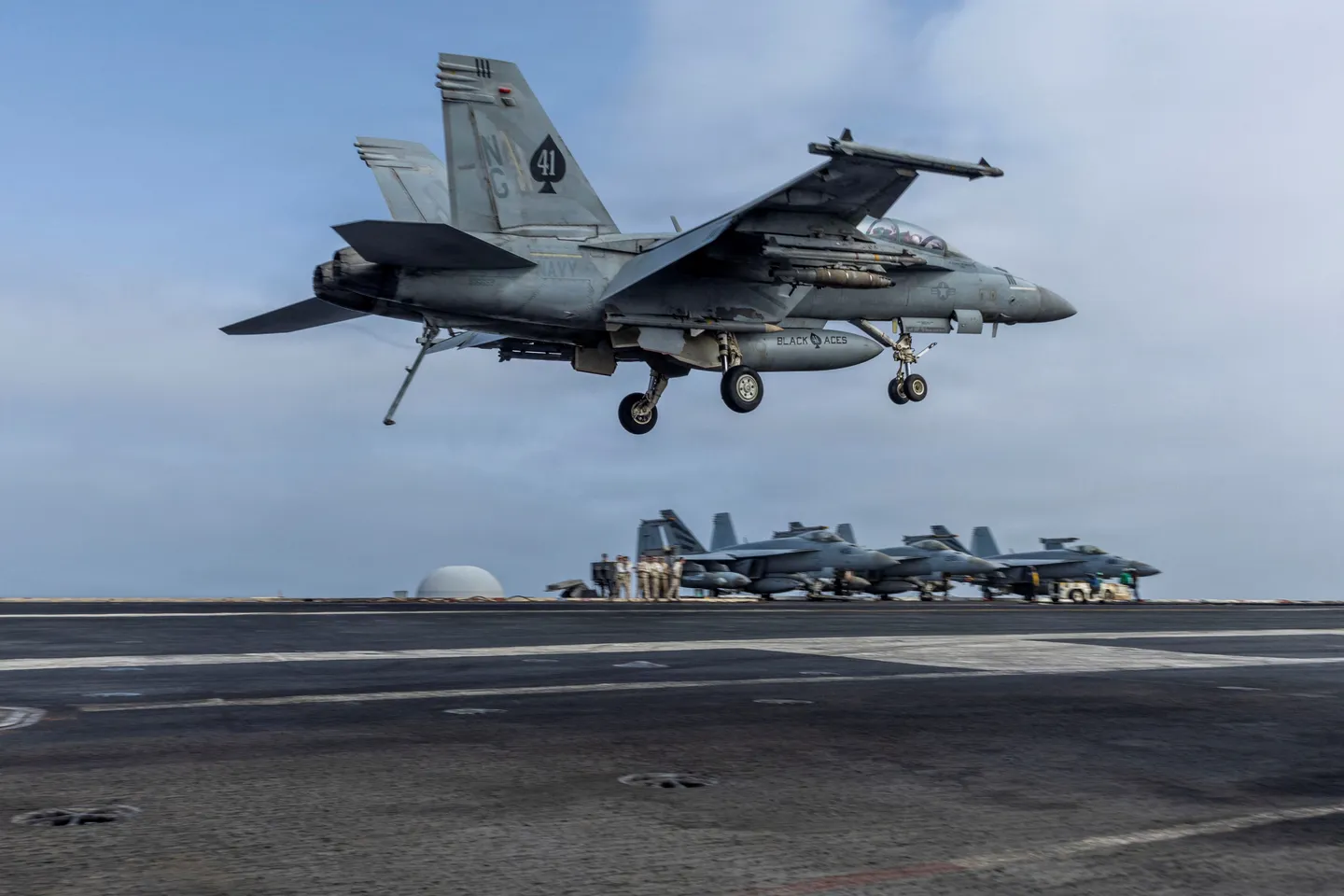
When the United States and Israel launched their joint military campaign against Iran on February 28, Washington initially projected the conflict would conclude within four to six weeks. However, the operational timeline proved highly volatile. As the campaign progressed, Washington frequently adjusted its goals and expectations, at various points claiming the mission was “ahead of schedule,” only to later suggest it would require an additional two to three weeks or continue “as long as necessary.”
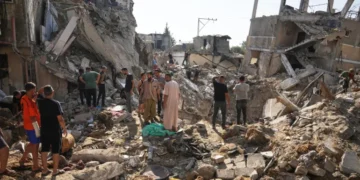
Iran’s immediate response to the initial strikes—which resulted in the deaths of Supreme Leader Ali Khamenei, significant portions of the Iranian military leadership, and hundreds of civilians—was to assert control over the Strait of Hormuz. Tehran subsequently launched a sustained campaign of missile and drone strikes across the Gulf, severely impacting regional stability. Now, five months and 21 days after the war began, the conflict persists at a low intensity despite multiple failed ceasefire attempts.
The human and material toll on US forces has been substantial. Operation Epic Fury has resulted in approximately 18 confirmed US military deaths and between 600 and 900 personnel wounded. Beyond the human cost, the US has suffered significant equipment losses, including dozens of drones, several fighter jets, and various tankers. Official estimates project that the total cost of the war will reach $37.5 billion by the end of September 2026.
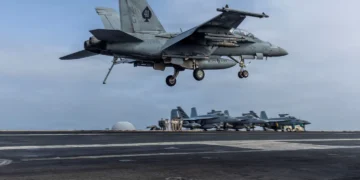
Iranian munitions, including missiles and drones, have consistently targeted US assets. While many of these threats were intercepted, satellite imagery and official reports confirm extensive damage to critical infrastructure. Affected sites include radar systems, air defense installations, hangars, fuel depots, and communications networks across various host nations. Since the beginning of the year, the US has deployed additional warships, fighter aircraft, and air defense systems to the region, executing more than 13,000 individual strikes against Iranian targets.
According to a report by The Washington Post, the damage inflicted upon US bases has provided the Pentagon with a rare opportunity to reconsider its long-term regional military posture. Eight individuals familiar with the matter indicated that the Defense Department is currently reassessing its footprint, suggesting that some damaged bases may not be rebuilt in their previous configurations. The review, led by the Pentagon’s policy office in coordination with the Joint Staff and US Central Command, is examining the viability of pulling troops back from the Gulf.
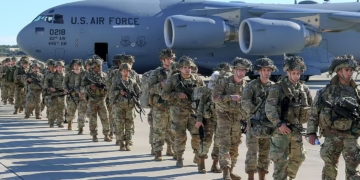
Defense Secretary Pete Hegseth has characterized these deliberations as “prudent planning” rather than a formal, finalized policy shift. A senior official noted that decisions regarding the reconstruction of damaged facilities are inevitable. Currently, US Central Command maintains approximately 40,000 troops stationed across nearly 20 sites, ranging from Jordan to Oman. The most significant permanent installations remain concentrated in the Gulf, including the Fifth Fleet headquarters in Bahrain and major Army and Air Force facilities in Kuwait.
The internal debate highlights a growing divide within the administration between those advocating for continued military intervention and those arguing for a reduction in security commitments. Admiral Bradley Cooper, head of US Central Command, is reportedly involved in discussions regarding the potential relocation of forces further west. Former US envoy to Saudi Arabia, Michael Ratney, suggested that redeploying troops toward Jordan, Israel, or the Red Sea coast could alleviate regional pressure, though he acknowledged that increased distance is not a perfect solution.
Despite a memorandum of understanding signed in June through Pakistani and Qatari mediation—which aimed to end hostilities and establish a 60-day window for final negotiations—missile and drone activity remains frequent. The ongoing instability continues to challenge the US military’s ability to maintain its traditional presence in the Gulf.
The potential shift in strategy reflects the reality of a conflict that has defied early projections and forced a reevaluation of how the US projects power in the Middle East. As the Pentagon weighs its options, the future of the American military presence in the region remains uncertain, contingent upon both the outcome of ongoing diplomatic efforts and the evolving security landscape on the ground. The report also notes that the US news outlet added that one of the key areas the Defense Department is assessing is whether to pull back troops from the Gulf, “where America’s large overseas military bases have been battered by months of Iranian. The report also notes that the US news outlet added that one of the key areas the Defense Department is assessing is whether to pull back troops from the Gulf, “where America’s large overseas military bases have been battered by months of Iranian strikes.
Source: TRT World