








































































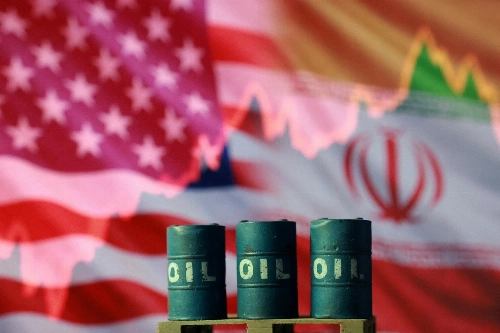
Global oil prices extended their gains for a third straight day on Tuesday, reaching their highest levels since late July. Brent crude futures rose 1% to $91.76 a barrel by 0641 GMT, while US West Texas Intermediate crude climbed $1.05 to reach $85.55 a barrel. This upward momentum follows a period of mounting instability in US-Iran relations, which analysts warn could significantly impact energy market expectations through the remainder of the year and into 2027.
The market rally comes as diplomatic efforts to secure a permanent end to the Middle East conflict have effectively stalled. A senior Iranian official confirmed on Monday that the nation intends to adopt a “fully offensive” military posture. This shift coincides with Washington’s decision to rule out any extension of the existing temporary ceasefire agreement. The conflict, which began with US and Israeli strikes on Iran on February 28, continues to disrupt regional stability.
Supply concerns are further exacerbated by the ongoing closure of the strategic Strait of Hormuz. Progress toward reopening the waterway has halted, and shipping traffic remains at a trickle. According to Tim Waterer, chief market analyst at KCM, the current market jump reflects the increasingly shaky nature of US-Iran ties. He noted that a resolution to reopen the strait remains out of sight, with vessel crossings staying in the single digits despite a minor increase over the weekend.
The volatility is compounded by ongoing regional hostilities. On Tuesday, a projectile struck a vessel transiting out of the Strait of Hormuz, marking the latest in a series of attacks on maritime traffic. Additionally, Yemen’s Houthi military spokesperson, Yahya Saree, announced via Telegram that the group had launched missiles targeting a Saudi military vessel and its four escorts in the Red Sea.
Diplomatic complications persist as Iran engages in separate negotiations with Oman regarding the management of the Strait of Hormuz. While Iranian officials claim these talks are nearing a resolution, the situation remains tense; former President Trump has threatened to bomb the Gulf state, a long-standing US security partner, in response to the discussions. Suvro Sarkar, head of energy research at DBS Bank, suggested that in the absence of a formal deal, oil prices will likely fluctuate between $80 and $100 a barrel in the near term.
As market participants monitor these geopolitical risks, industry data suggests tightening supply conditions. A preliminary poll conducted by Reuters on Monday indicated that US crude oil stockpiles and product inventories were expected to have declined over the previous week. The report also notes that or 1%, to $91.76 a barrel by 0641 GMT, extending their gains on Monday and were at their highest since July 30, brent crude futures climbed 89 cents.
Source: Gulf Today