
















































Ongoing regional conflict has slowed the United Arab Emirates’ progress toward its net-zero goals, though analysts emphasize these ambitions remain intact. According to Rystad Energy, an independent research firm, the UAE is not alone in this struggle, as global efforts to reach carbon neutrality by 2050 are facing widespread delays and postponements.
Carlos Torres Diaz, Senior Vice President of Power at Rystad Energy, noted that achieving carbon neutrality targets by the 2050 deadline appears increasingly unlikely for most nations. Despite the current geopolitical challenges, he highlighted that the Middle East continues to see a strong push for renewable energy, particularly in the solar sector, where regional conditions are exceptionally favorable.
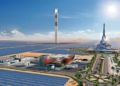
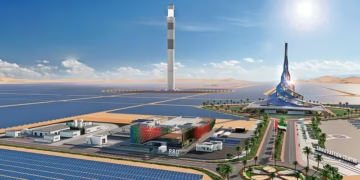
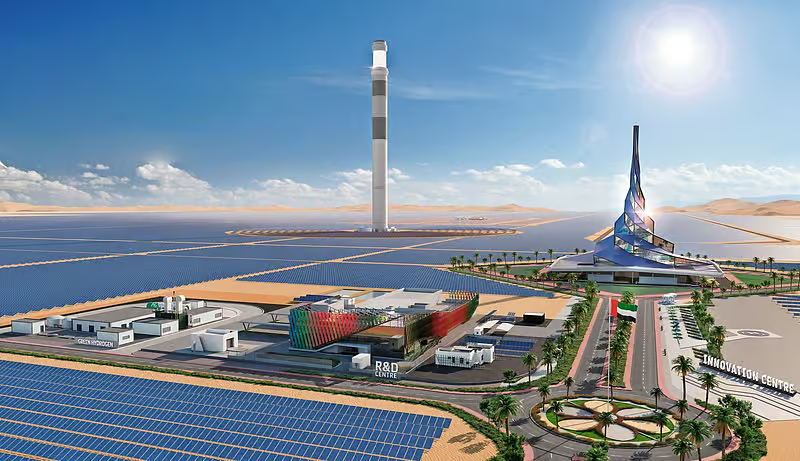
The UAE has been aggressively scaling its green energy infrastructure, aiming to generate the majority of its electricity from renewable sources by 2050. This strategy includes the development of significant solar capacity, such as the Al Dhafra Solar PV project, which stands as the world’s largest single-site solar power plant. The nation currently operates eight major solar power plants and projects.
Expanding solar capacity serves a dual purpose for the region, as it allows countries to liberate oil and gas resources for export to international markets. Projections indicate that the solar capacity in the region, which reached approximately 39 gigawatts last year, is expected to grow by nearly ten times over the next decade.
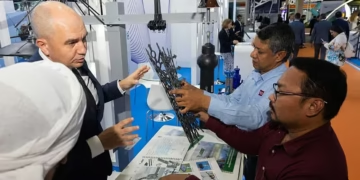
These insights were shared during a media briefing hosted by InD, a partnership between the Dubai World Trade Centre and Informa. The briefing served as a precursor to the upcoming Middle East Energy conference, which is scheduled to take place in Dubai from September 1 to September 3. The event, which was previously postponed due to regional developments, will feature over 1,500 exhibitors, including major global and local energy players like Shell and Masdar.
Mark Ring, Group Director of Energy Portfolio in the Middle East and Africa at InD, remarked that the high level of participation from global governmental and private entities demonstrates the resilience of the UAE. He noted that despite external hostilities, the country remains a strong, stable base for conducting business and connecting with international markets.
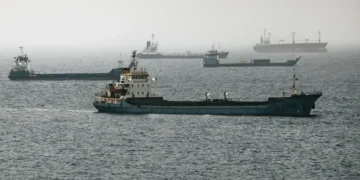
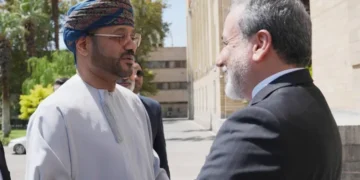
The current climate serves as a stark reminder of the volatility in the region, with officials noting that in a wartime situation, promises offer little protection when missiles are in the air. Such conditions have previously complicated site inspections and regional security, yet the commitment to the energy transition remains a priority for the UAE as it hosts the 50th edition of this global energy gathering. The report also notes that tanker hit by projectile in Strait of Hormuz catches fire; crew members safe. The report also notes that trump administration pauses US visa appointments for applicants worldwide. The report also notes that oman, Iran say will establish temporary lane through Strait of Hormuz, clear mines. The report also notes that iran attacks 6 months on: ‘Promises offer no protection when missiles are in the air. The report also notes that which setback those ambitions, the Rystad Energy SVP said it is “seeing that there will continue to be a renewable energy push, especially for solar energy within the Middle East, given that the conditions are very good for the region.”, regardless of the war.
Source: Khaleej Times