

























































While Islamophobic crimes in Germany appear to be decreasing on paper, experts warn against complacency, noting that official statistics often fail to capture the true scale of the issue. In the first half of 2026, authorities recorded 231 offences, marking a significant decrease from the 489 incidents reported during the same period in 2025. However, the federal government emphasizes that these figures remain preliminary and are likely to rise as further reports are processed and verified.
A detailed breakdown of the 2026 data shows that 44 cases were classified as incitement to hatred, 33 were committed online, and 13 involved the use of symbols associated with unconstitutional organizations. Furthermore, the official records include 11 violent crimes, nine instances of coercion or threats, and three cases of property damage. Despite these numbers, advocates maintain that official statistics represent only the tip of the iceberg, as they are limited by narrow legal definitions of criminal activity.
The CLAIM alliance, a coalition of more than 50 civil society organizations, recently documented 4,096 anti-Muslim incidents nationwide in 2025, covering both criminal and non-criminal acts. This equates to an average of over 11 incidents per day, representing a 33 percent increase compared to 2024. The number of unreported cases is likely far higher; according to a study by the European Union Agency for Fundamental Rights, only four percent of those affected in Germany report experiencing discrimination.
Data indicates that women are disproportionately targeted, accounting for 64.5 percent of all documented cases. The physical nature of these attacks is often severe and public. In Dresden, for example, a senior citizen attempted to forcibly rip the headscarf off a 14-year-old girl. Similarly, in Düsseldorf, an unknown assailant punched a woman wearing a headscarf in the face, causing her to briefly lose consciousness.
Beyond random street violence, some individuals face persistent, long-term harassment. A Muslim family in Berlin-Zehlendorf has been terrorized for years by their neighbor, who has sent repeated racist hate messages. Despite the severity of the situation, at least 15 police reports filed by the family have gone unanswered, highlighting a systemic failure to protect vulnerable citizens.
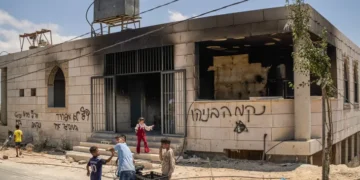
In North Rhine-Westphalia, the threat level remains high, with several mosque communities receiving bomb threats containing explicitly anti-Muslim and anti-Palestinian content. These incidents are not isolated fringe events. They are representative of a development that demonstrates that Islamophobia has long since become a structural problem and has arrived in the mainstream of society.
Various academic and expert bodies confirm this trend, including the Motra Monitor, the now-dissolved Independent Expert Group on Islamophobia, and studies from the Friedrich Ebert Foundation. These reports consistently indicate that anti-Muslim prejudice is an integral part of the mainstream, with a significant portion of the population viewing Islam as a threat rather than an enrichment to society.
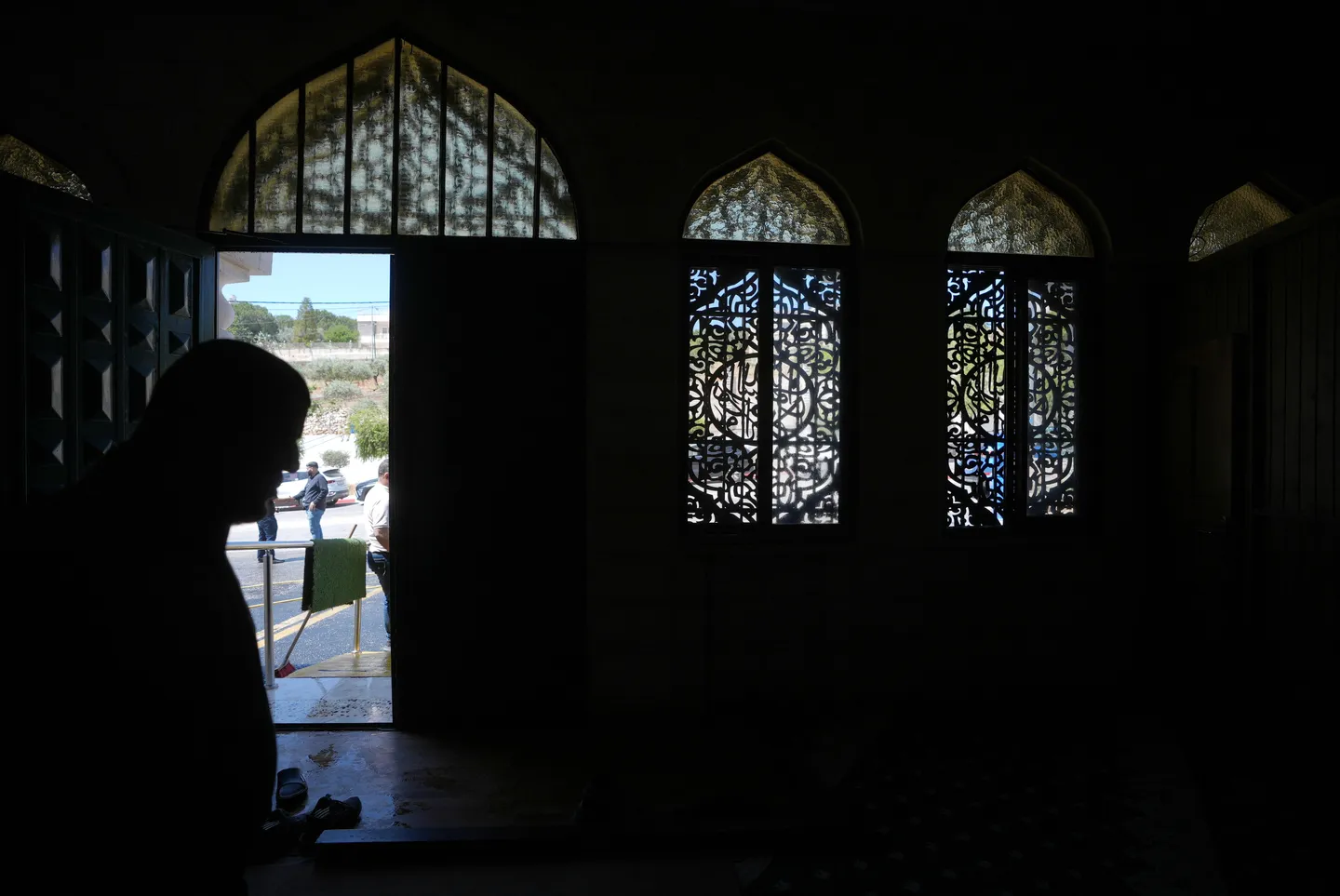
Attacks on mosques are a key indicator of this social climate. While police recorded 79 attacks on mosques in recent periods, the organization #brandeilig documented 96 attacks for the same timeframe. This discrepancy highlights how official statistics often overlook incidents that do not meet strict criminal thresholds, leaving many forms of intimidation and harassment uncounted.
Beyond physical violence, everyday discrimination shapes the lives of many Muslims, particularly in the labor market, which is the most frequently affected area. Ali Pasa Akbas, chairman of the Union of Turkish-Islamic Cultural Associations in Europe (ATIB), expressed deep concern over these trends, noting that Muslims face harassment not only on the street and online but also in their daily professional lives.
Akbas emphasized that these figures are an alarming sign of the growing threat Muslims face in their daily lives. He argued that mosques and places of worship must be recognized as symbols of peace, tolerance, and religious freedom, and that their protection is essential for the health of the nation.
Addressing the crisis requires a multi-faceted approach. Akbas advocated for more intensive dialogue between the state, security authorities, politicians, and civil society to develop joint strategies. He stated, “Only through cooperation between the state, politics, civil society, and the media can we succeed in sustainably combating exclusion and racism.”
Ultimately, the goal is to foster a society where religious freedom is fully respected and protected. As researcher Aslan noted, a society that protects the rights of all its members is a society with a future. Without systemic change and better documentation, the structural nature of Islamophobia will continue to undermine social cohesion in Germany.
A closer look at the figures reveals that women are particularly affected: In 64.5 percent of documented cases, women were the target.
However, even here, the figures vary depending on the recording method: The organisation #brandeilig documented 96 attacks for the same year, while the Islamic religious community Turkish-Islamic Union for Religious Affa
The Federal Anti-Discrimination Agency recorded 175 inquiries about Islam-based discrimination in the first half of 2025 alone.
However, even here, the figures vary depending on the recording method: The organisation #brandeilig documented 96 attacks for the same year, while the Islamic religious community Turkish-Islamic Union for Religious Affairs, in its own survey, counted a total of 175 attacks for 2024.
Discrimination also occurs daily in the workplace, when searching for housing, and in educational institutions.
Organisations that have been committed to social cohesion for decades should be perceived as trustworthy partners in this process.
However, all social actors are called upon to combat structural disadvantage.
At the same time, he emphasised his organisation’s willingness to contribute to a cooperative partnership based on trust.
The figures are an alarming sign of the growing threat Muslims face in their daily lives, the 45-year-old told our editorial team.
Aslan emphasised that as a multi-religious society, we share the responsibility to uphold human dignity and protect life.
This media bias contributes to the normalisation of exclusion and provides an additional platform for positions that have long since become socially acceptable in political debate.
On the streets, in government offices, when searching for housing, at work, in the media, and in the minds of many people.
However, giving in to despair would be a mistake.
This includes education, protecting those affected, and fostering a culture of cooperation and respect that enables participation and leaves no room for hatred and exclusion.
This article was first published on TRT Deutsch
Source: TRT World