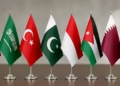










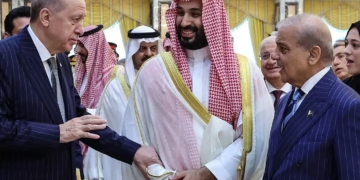
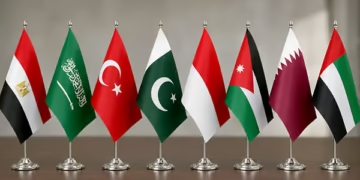

























































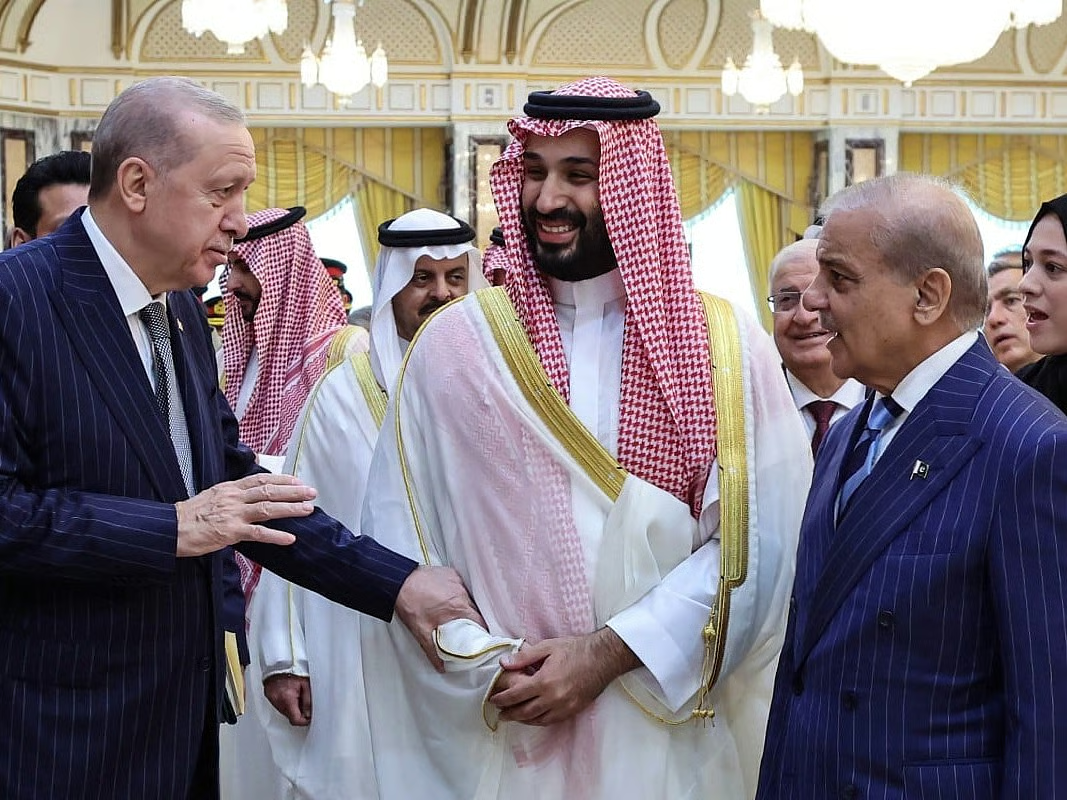
Saudi Arabia, Turkey and Pakistan have officially entered into a new security alliance, signing the Mecca Joint Defence Agreement on August 7. The pact was finalized by Saudi Crown Prince Mohammed bin Salman, Turkish President Recep Tayyip Erdoğan, and Pakistani Prime Minister Shehbaz Sharif, marking a significant shift in regional military cooperation.
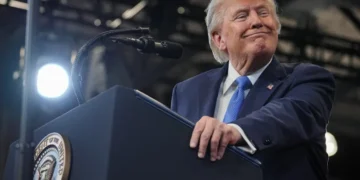
US President Donald Trump has publicly welcomed the development, characterizing the agreement as a “big, bold, and important first step” toward enhancing security in the Middle East. In a social media statement, Trump expressed he was “very happy” with the move, noting that the alliance signals the region is “coming together” and will empower these nations to defend themselves “in a more meaningful way.”
At the core of the agreement is a collective-defense provision that mirrors the principles of NATO’s Article 5. Under the terms of the pact, an armed attack against any one of the three member states will be treated as an attack against all of them. This framework is designed to bolster collective deterrence and expand military cooperation, though officials have emphasized that the alliance is purely defensive and not aimed at any specific country.
The partnership unites three influential, Sunni-majority nations: Saudi Arabia, a key global oil producer; Turkey, which maintains the second-largest military force within NATO; and Pakistan, a nuclear-armed state with deep-rooted military ties to Riyadh. This new arrangement builds upon a previous mutual-defense agreement established between Saudi Arabia and Pakistan in September 2025, with the inclusion of Turkey adding significant political, military, and industrial depth.
Regarding the implementation of the pact, Turkish officials have indicated that the three nations intend to create formal political and military coordination mechanisms. These plans include conducting joint military exercises and deepening collaboration within their respective defense industries. Pakistan’s Foreign Minister, Ishaq Dar, clarified that the new agreement does not supersede existing bilateral or multilateral commitments and remains open for other regional states to join.
The formation of this bloc comes during a period of heightened regional volatility, characterized by ongoing missile threats against Gulf states and broader military tensions involving Iran, Israel, and the United States. Analysts suggest that the agreement reflects a strategic desire among these governments to enhance their autonomous security capabilities while maintaining their long-standing relationships with Washington.
The long-term effectiveness of the alliance will likely depend on the establishment of clear command structures, intelligence-sharing protocols, and specific rules for responding to potential threats. Furthermore, the coordination of military deployments will be a critical factor in the pact’s operational success.
Given that all three signatories are established partners of the United States, political observers believe that President Trump’s endorsement may provide the alliance with additional international weight. The agreement remains a focal point of regional diplomacy, with reports suggesting that Turkey has expressed interest in seeing other nations, such as Egypt, eventually join the security framework. The report also notes that tripartite security bloc seeks greater autonomy amid rising Middle East tensions.
Source: Gulf News