













































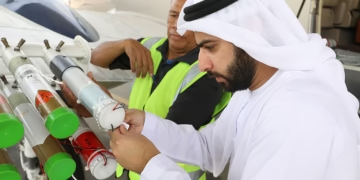




























Workplace safety is frequently misunderstood as merely a collection of high-visibility vests, hard hats, and warning signage. While these physical safeguards are essential, they represent only a fraction of a comprehensive safety strategy. True health and safety protocols encompass the entire professional environment, ensuring that employees can fulfill their duties effectively while maintaining their physical and mental wellbeing.
Every professional setting carries unique risks, regardless of the industry. While construction and manufacturing sites are commonly associated with safety protocols, office environments present their own challenges, such as chronic injuries stemming from poor ergonomics. Similarly, warehouse staff, drivers, technicians, and engineers face distinct operational hazards. Despite these variations in risk, the fundamental goal remains consistent: establishing a secure environment where staff can operate with confidence and stability.
Proactive safety management requires action long before an incident occurs. Organizations that prioritize prevention are better positioned to identify hazards, conduct thorough risk assessments, and implement necessary controls. By integrating regular training, consistent workplace inspections, and transparent reporting procedures into daily operations, companies foster a culture of safety. Encouraging staff to report near-misses and potential hazards allows management to mitigate risks early and refine safety standards continuously.
The scope of workplace safety has expanded to integrate employee wellbeing, including preventive healthcare and mental health support. Many firms now pair traditional occupational safety with wellness programs, health screenings, and awareness campaigns. This holistic approach ensures that potential health issues are identified early, allowing employees to remain supported throughout their professional journeys and better equipped to handle the demands of a modern, shifting work environment.
This commitment to a proactive safety culture yields significant organizational advantages, including improved operational continuity, higher levels of employee engagement, and enhanced productivity. When workers feel genuinely supported and secure, they are better able to collaborate and contribute to the long-term success of the business. Such resilience is a direct byproduct of prioritizing the human element within the workplace.
At Galadari Brothers, this philosophy is integrated across a diverse portfolio ranging from corporate offices to complex engineering and manufacturing facilities. The company embeds safety into its daily operations through a combination of structured risk management, persistent training, and a culture of shared accountability. A testament to this commitment is the performance in 2025, during which employees completed over 60,000 hours of health and safety training. This significant investment underscores the firm’s dedication to building safer, more resilient workplaces.
Beyond standard occupational safety, Galadari Brothers actively strengthens its workforce through preventive health screenings, mental wellbeing initiatives, and emergency preparedness training. By recognizing that the protection of its people is the cornerstone of operational excellence and sustainable growth, the organization continues to adapt to the evolving needs of its staff. As workplaces continue to change, maintaining a robust safety culture through ongoing commitment and collective participation remains a fundamental responsibility for every organization aiming to thrive in the future.