













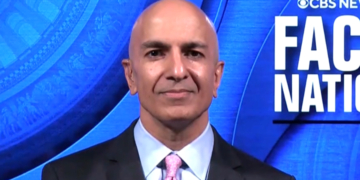


























































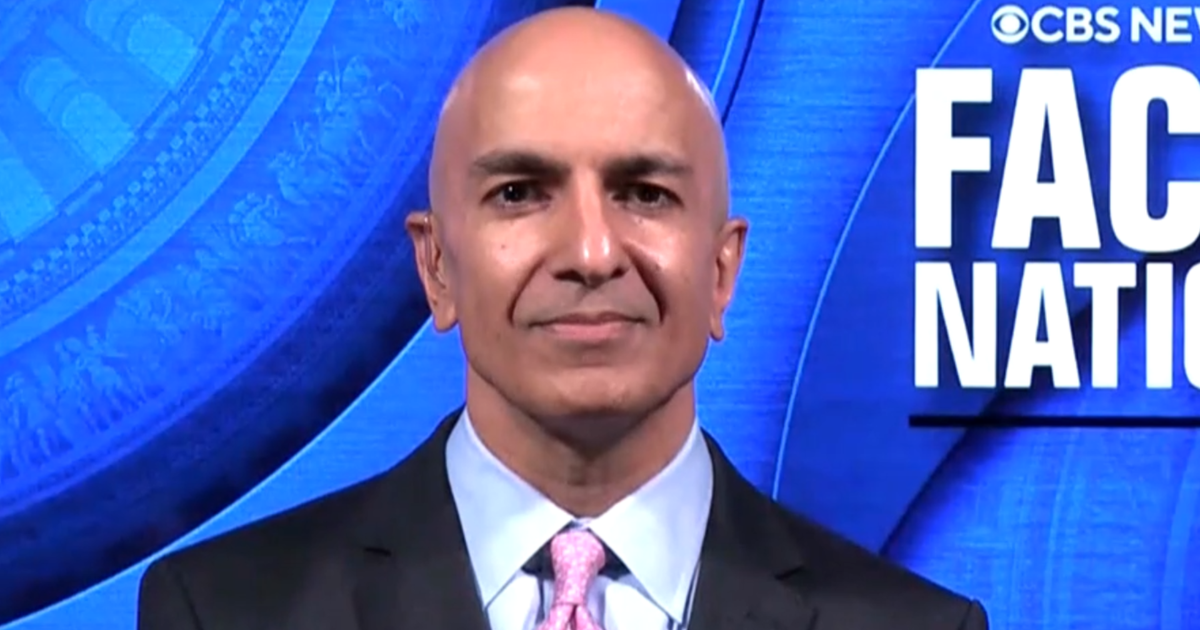
Neel Kashkari, president of the Federal Reserve Bank of Minneapolis, cautioned on Sunday that the escalating trade conflict between the United States and Canada risks extending inflationary pressures in the U.S. economy. Speaking on Face the Nation with Margaret Brennan, Kashkari emphasized that prolonged uncertainty in trade relations acts as a significant economic headwind.
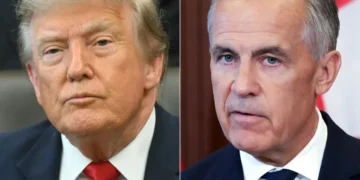
The dispute intensified on Saturday as the U.S. began imposing 50% tariffs on Canadian goods following a breakdown in negotiations. U.S. Trade Representative Jamieson Greer confirmed that there are currently no new talks scheduled to address the standoff. In response, Canadian Prime Minister Mark Carney has pledged retaliatory tariffs, with specific details expected this week ahead of a planned implementation date of September 8. These measures are anticipated to impact a wide range of sectors, including steel, dairy, electronics, paper, pulp, and agricultural equipment.
Kashkari highlighted the importance of the bilateral relationship, noting that the two nations exchanged $880 billion in goods and services in 2025, making Canada the second-largest trading partner for the U.S. behind Mexico. He explained that the current economic landscape has been marked by five years of elevated inflation, largely fueled by various supply shocks.
“The longer there’s back and forth on the trade front, just like the longer there’s back and forth in the conflict of Iran, the imprint and inflation end up being extended and delayed,” Kashkari stated. He identified the conflict with Iran as a major driver of inflation due to its broad impact on energy costs, and he categorized the current trade dynamic with Canada as another critical factor requiring close monitoring.
The Federal Reserve official noted that the U.S. economy has faced a series of complex challenges, including broader geopolitical tensions and specific policy frictions. He pointed to the strained relationship between the two countries, which has been exacerbated by disputes over NATO, a bridge in the Detroit area, and rhetoric regarding the potential status of Canada.
Kashkari expressed that the path to economic stability depends on reaching a “new normal” in trade relations. He argued that once a steady state is established, businesses will be better equipped to adjust their operations, allowing the inflationary impact of these conflicts to fade into the background.
The comments come amid a broader national conversation regarding economic policy, with recent discourse also touching on public health debates, such as Dr. Oz’s remarks on the MMR vaccine, and ongoing political assessments from figures like Representative Seth Moulton. The situation remains fluid as both Washington and Ottawa prepare for the next phase of the trade implementation. The report also notes that on Saturday began imposing 50% tariffs on Canadian products after negotiators failed to reach an agreement to resolve the standoff over trade between the key partner countries.
Source: CBS News