










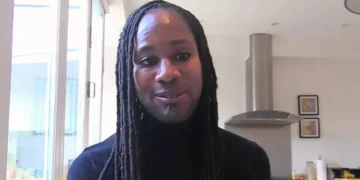




























































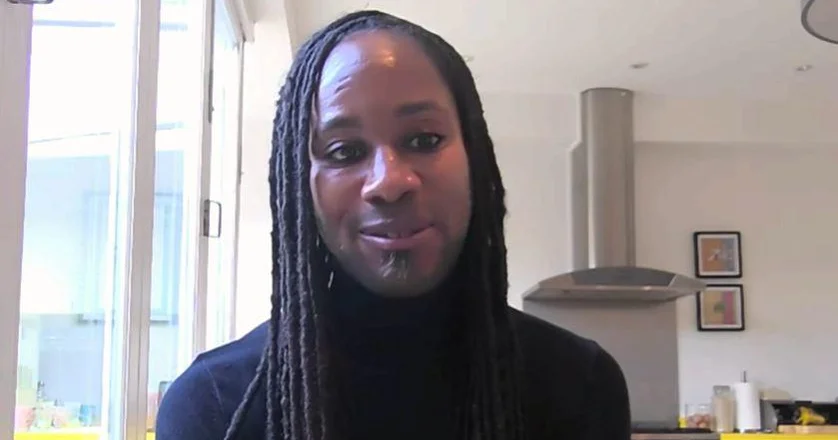
Jason Arday, who made history as the youngest Black professor at the University of Cambridge, has died in London at the age of 41. His family confirmed the news, stating that his passing occurred just one week after he resigned from his academic post amid a wave of plagiarism allegations and public controversy.
In a formal statement, Arday’s family described a grueling period leading up to his death, claiming he was subjected to a sustained campaign of abuse for more than three years since accepting his professorship. They stated that those responsible were determined to undermine him, noting that the misinformation campaign proved too much for a man they remembered as gentle and optimistic. The family expressed their profound shock at the loss of a beloved father, partner, brother, uncle, and son.
London’s Metropolitan Police reported that officers were called to a property at 3:12 p.m. on Friday following reports of an unresponsive 41-year-old man. Upon arrival, the man was pronounced dead at the scene. While police did not publicly identify the individual, they confirmed that his next of kin had been notified. Authorities stated the death is considered “unexpected, but is not believed to be suspicious,” and the case remains under investigation.
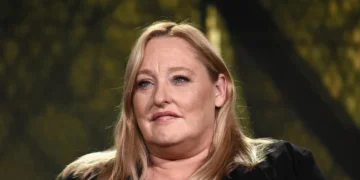
U.K. Education Secretary Lucy Powell shared her condolences on social media, expressing that she was “deeply shocked & saddened” by the news. She urged the public to respect the privacy of Arday’s family and loved ones during this difficult time. Similarly, Cambridge Vice-Chancellor Professor Deborah Prentice stated that the university was “desperately saddened” by the tragedy and offered sympathies to those close to him.
Arday had resigned from his position on August 5, citing the toll taken by “relentless accusations, speculation and public commentary.” In his resignation, he explicitly stated that his departure should not be interpreted as an acceptance of the narratives surrounding him, but rather as the decision of someone who had reached the limits of what they could reasonably endure.
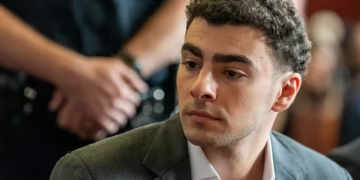
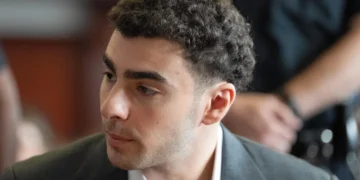
The scrutiny surrounding Arday intensified last month following allegations raised by Nathan Cofnas, a former Cambridge researcher and philosopher of biology who has publicly challenged diversity, equity, and inclusion policies. These allegations were accompanied by reports from The Times of London and The Telegraph, which questioned the accuracy of Arday’s personal history, including claims regarding his charitable fundraising and the publication of his book, “Being Young, Black and Male: Challenging the Dominant Discourse.”
Arday had previously denied any intentional wrongdoing, characterizing the errors in his academic work as inadvertent and arguing that the criticism was part of an ideologically and racially motivated campaign. Supporters echoed these sentiments, suggesting that the intense focus on his background went beyond standard academic review and targeted his work on race and inequality. Notably, Liverpool John Moores University had previously investigated claims regarding his doctoral thesis and concluded there was no evidence of academic misconduct.
Before his appointment at Cambridge in 2023 at age 37, Arday had gained national attention for his personal journey. He spoke openly about being autistic and dyslexic, noting that he did not speak until age 11 and could not read or write until age 18. He said in 2023 that many teachers lacked belief in his potential, with behavioral therapists once suggesting he would require assisted living later in life.
Despite these early challenges, Arday earned a degree in education and physical education, followed by two master’s degrees and a PhD from Liverpool John Moores University. His life story was set to be featured in his memoir, “Great and Unfortunate Things,” which was scheduled for release this week. The report was contributed to by Frank Andrews and Inaya Folarin Iman.
“I urge people to give them privacy through this incredibly difficult period & to remember there are real people with loved ones involved.”
Arday joined the University of Cambridge in 2023 at age 37, becoming one of Britain’s most high-profile academics after sharing an extraordinary account of his life.
Cofnas previously wrote that in a meritocracy, “Blacks would disappear from almost all high-profile positions outside of sports and entertainment.”
Source: CBS News