




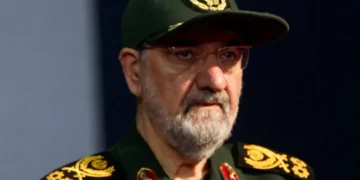
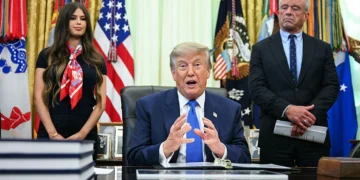















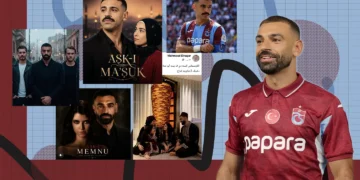



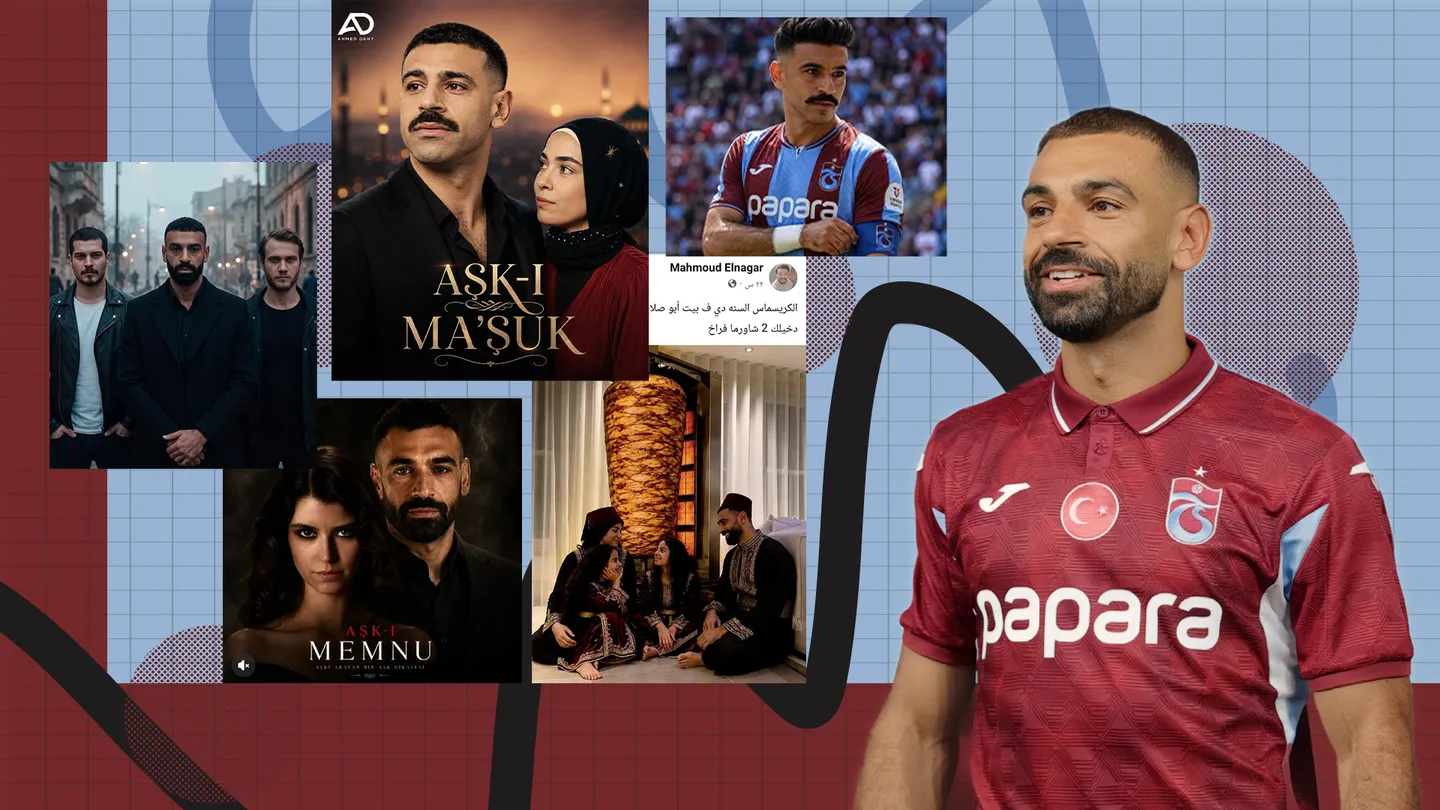
Inside a traditional kitchen, an elderly woman wearing a dress reflecting Black Sea colours prepares a spread of local dishes including kuymak, kaygana, and cornbread. The scene is set for a guest whose arrival feels like a dream: Egyptian football icon Mohamed Salah, sitting with his new Turkish family, receiving warm embraces in a promotional video produced by Trabzonspor following his high-profile transfer.
However, Arabic social media quickly transformed this promotional footage into something entirely different. Users began creating elaborate drama and comedy sketches, digitally altering Salah to appear in full Ottoman sultan regalia, complete with a gold-embroidered jacket, sultan-style trousers, and a thick moustache reminiscent of a classic Turkish drama star.
The humor relies on a specific incongruity that Egyptian audiences recognize immediately: Salah, a footballer known for his quiet and disciplined demeanor, is reimagined within the overheated, melodramatic register of a Turkish soap opera. The joke centers on forcing the dry, technical genre of football commentary into a highly emotional, theatrical key.
Lines such as “Salah Bey, for God’s sake, pass the ball” or “Come on, uncle, take the shot” lean on stock begging-and-flattery constructions that Egyptians have heard countless times from jilted lovers or desperate servants in television dramas, but never from a football fan. Watching someone address a Premier League forward with such desperate, flowery language has become a viral sensation.
This phenomenon carries a layer of self-mockery; Egyptians are laughing not only at the image of Salah wearing a fez but at their own decades-long addiction to the dramatic cadence of Syrian-dubbed Turkish soaps. For years, these dubbed serials served as a primary source of entertainment for Syrians, particularly during the difficult years under the rule of Bashar al-Assad.
This instant recognition stems from a strategic industry decision made twenty years ago to dub Turkish drama into the Syrian dialect rather than classical Arabic or Egyptian. Egyptian art critic Khairia El-Bishlawy notes that Arab audiences favor the Syrian dialect for its proximity to classical Arabic, and she credits Syrian voice actors for fully inhabiting the Turkish scenes with emotional authenticity.
“Arab audiences have embraced Turkish drama in the Syrian voice for years now, to the point that when they experience the work itself, they only engage with it through that same Syrian dialect,” El-Bishlawy explains. Muhanna Bilal Al-Rashid, an assistant professor at Mardin Artuklu University, interprets the Salah memes as a direct replay of this cultural conditioning.
Al-Rashid suggests the memes appear as if they were lifted directly from a Turkish series, demonstrating how deeply the Syrian dialect has shaped the way Arab audiences perceive reality, culture, and art. He points to specific voices that built this collective muscle memory, including Maxim Khalil as Muhannad in ‘Noor’, Khaled El-Qish as Sultan Suleiman in ‘Muhteşem Yüzyıl’, and Lama Al-Shamandi as Elin in ‘The Cost of My Life’.
The economic reality explains why Syria became the primary hub for this industry. Turkish production is expensive, costing roughly $500,000 per episode or $240,000 per hour, generating over $1 billion in export revenue across 170 countries and reaching 500 million Arab viewers. Dubbing, by contrast, costs a fraction of that amount.
Script translation costs up to $50 an hour, while voice actors are typically paid $2 an hour. Today, streaming platforms like Netflix and Shahid pay between $5,000 and $15,000 per dubbed episode against a production cost as low as $3,000. Syrian economist Amr Al-Mallah notes that Arab satellite channels favored Syrian voice actors as a commercially attractive, safe bet that leveraged pre-existing regional preferences.
The trend began with ‘Gumuş’, translated as ‘Noor’, the 2005 series that prompted the Syrian dubbing studio Sama Art International to pursue Turkish drama in earnest. Its finale attracted 85 million Arab viewers and is credited with a significant increase in Arab tourism to Türkiye. The floodgates opened in 2007 with ‘Wreath of Roses’, which saw 40 original episodes stretched to 80 for Arab scheduling.
To date, more than 100 series have been dubbed into the Syrian dialect, utilizing dozens of Damascus-based studios like the Al-Zahra Centre, which were built specifically for this trade. While Egypt produces 60 series a year and hundreds of film and television works, it never established a comparable stake in this specific export market. Syria’s own domestic drama output remains a modest 21 productions, proving that the dubbing industry became a unique, powerful brand for Turkish drama and a lasting marketing tool for the region.
Egypt, despite producing 60 series a year and 420 works of film and television overall, never built a comparable stake in this specific export; Syria’s own drama output, by comparison, is a modest 21 productions.
“Syrian dubbing was yesterday’s commercial product.
It’s proof that a dubbing decision made in a Damascus studio in 2005 still runs, uncredited, in the back of the region’s collective sense of humour.
The family waits to welcome a guest whose presence has long felt like a dream come true: Egyptian ‘Pharaoh’ Mohamed Salah, sitting with his new Turkish family, greeted with kisses and embraces in a promotional video produced by Trabzonspor after his transfer, a deal worth an estimated €34 million over two years through summer 2028.
Egyptian director Amir Ramses notes that interest in Turkish drama itself has since dipped among younger Arab viewers as Korean drama competes for the same audience, yet the Syrian voice attached to two decades of it hasn’t gone anywhere.
Which is exactly what makes the memes worth pondering.
Nobody needed to explain the reference.
The former Liverpool star’s transfer announcement was instantly, automatically rendered in the cadence of a dubbed Turkish soap, because that is the only way tens of millions of Arabs have ever experienced Turkish drama.
Al-Mallah calls this the natural next chapter for an industry that spent two decades as a commercial product and has now become something else.
The joke about Salah isn’t really a joke about Salah, or even about Türkiye.
This story was published in collaboration with Egab
Source: TRT World