









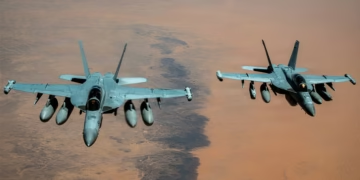
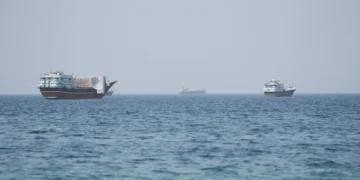
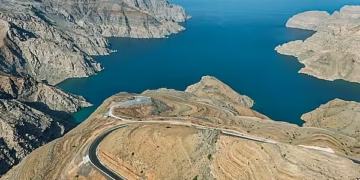





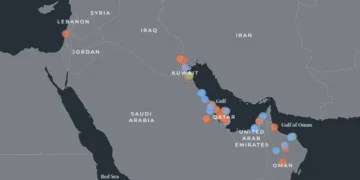



















































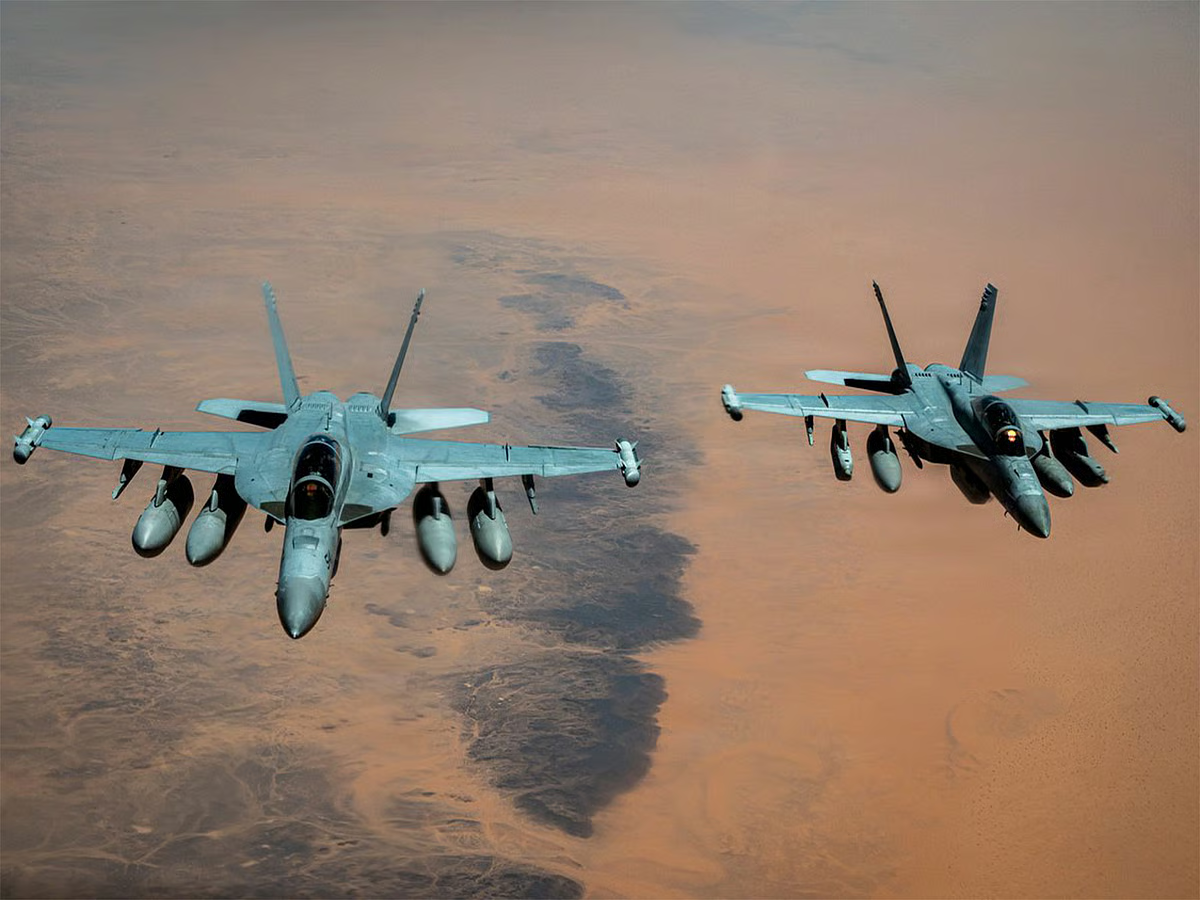
The Strait of Hormuz has entered a volatile new phase of confrontation after US forces conducted strikes against two Iranian rocket launchers on Larak Island. Washington stated that the equipment was being prepared to deploy sea mines into the critical waterway, prompting the first direct US attack on Iranian forces since late July.
US Central Command confirmed the operation took place on August 30, following observations of Iran’s Revolutionary Guards preparing to launch rockets equipped with sea mines. This action follows recent efforts by the US military to clear international shipping lanes of mines, a task completed just last week according to Navy Captain Tim Hawkins. The US has maintained that it will not permit further attempts to obstruct the strategic passage.
The impact on regional trade is already evident. Data from Kpler indicates that on August 28, only seven commodity vessels transited the strait, a sharp decline from the 10-day average of approximately 15 ships. This disruption occurs as the broader conflict, which began with US and Israeli airstrikes on February 28, continues to affect a route that previously carried one-fifth of the world’s oil.
Regional Security and Operational Status
- Hormuz threat level: Classified as severe due to ongoing mine-laying risks.
- Diplomatic engagement: US and UAE officials are actively discussing regional de-escalation strategies.
- Military posturing: Iranian leadership has issued warnings to US warships navigating the route.
- Naval logistics: The US Navy has redirected four additional ships in the vicinity of the strait.
- Strategic shift: The Trump administration has recently focused on economic warfare rather than direct military strikes against Iran.
While the US has sought to prioritize economic pressure, the latest engagement marks a return to direct kinetic action. Iranian media sources have reported casualties resulting from the strikes, and Tehran has vowed to retaliate. The situation remains fluid, with reports of subsequent Iranian attacks on a US base in Jordan and concerns from major oil shippers, including those from China, regarding the safety of both the Hormuz and al-Mandab straits. Iran’s armed forces have declared they remain prepared to counter any further US or Israeli actions in the region. The report also notes that 30 strikes mark the first known direct US attack on Iranian forces since late July, raising the risk of renewed confrontation around one of the world’s most important energy chokepoints, CNN and Reuters reported. The report also notes that and at a time when hostilities had been subsiding, the strikes came shortly after the US-Iran war hit the six-month mark. The report also notes that also monitored by the Washington Institute, is particularly significant because it comes as commercial shipping through Hormuz has already fallen sharply, the development.
Important Details
- The report also notes that blockade: US Navy redirects 4 more ships near Hormuz.
Source: Gulf News