




































































Over a 10-day period, the Trump administration sent more than 100 deportees from Afghanistan, Cuba, Nicaragua, and other nations to eight countries across Africa, significantly expanding its “third country” deportation campaign. Internal U.S. government documents obtained by reveal that none of the individuals deported were citizens of the countries where they were ultimately dropped off. This strategy represents an intensifying campaign by the administration to utilize “third country” deportation agreements to relocate groups of individuals to distant nations where they possess no established ties or cultural connections.
Scope of the Deportation Flights
Three Immigration and Customs Enforcement (ICE) deportation flights, as detailed in the government records, transported dozens of individuals expelled from the United States to Burundi, Cameroon, the Central African Republic, Equatorial Guinea, Eswatini, Liberia, Rwanda, and Sierra Leone. Beyond Afghan, Cuban, and Nicaraguan nationals, the flights included individuals from Iran, Nepal, Turkey, and Venezuela. These federal documents provide a rare window into the administration’s reliance on these agreements, which have largely remained shrouded in secrecy.
International Agreements and Regional Trends
- More than 30 countries globally have entered into agreements to receive such deportations from the U.S., including Latin American nations like Costa Rica, Panama, and Paraguay.
- While some countries like Ghana and Sierra Leone have reportedly limited their acceptance to deportees originating from other African nations, other states have broader arrangements.
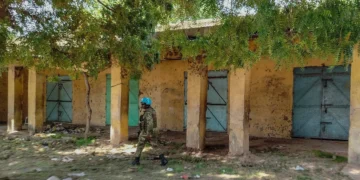
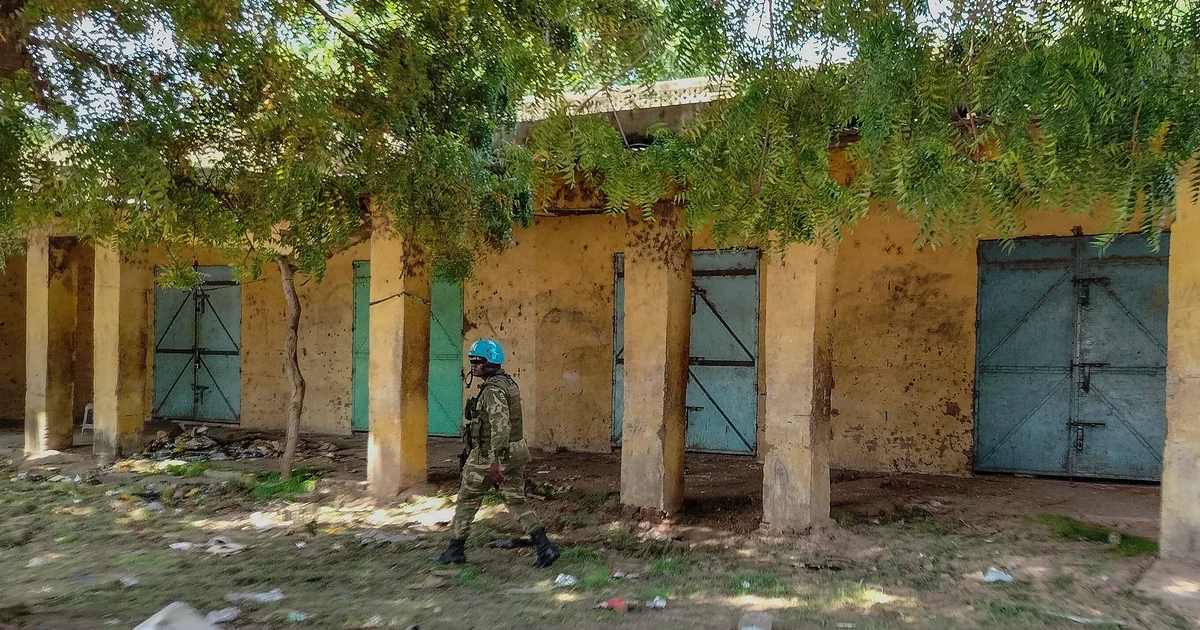
- The latest ICE flight to Africa included stops in Sierra Leone and the Central African Republic, the latter of which is currently classified as a “Level 4” U.S. travel advisory zone due to ongoing armed conflict and the presence of Russian mercenaries.
- Some individuals deported to Africa, particularly those sent to Eswatini and South Sudan, carry criminal records in addition to immigration violations, with local officials in those regions reportedly imprisoning deportees convicted of violent or serious crimes.
The Case of Khalil: A Protected Afghan Deportee
Among those deported to the Central African Republic on the most recent flight was a 24-year-old Afghan man identified as Khalil. Khalil, whose family aided American forces against the Taliban, crossed the U.S.-Mexico border illegally in 2024 after a journey through Latin America. His lawyer, Schmidt, noted that Khalil came to the U.S. to join his brothers, one of whom served as a pilot and was killed during the war against the Taliban. Schmidt, who testified in Khalil’s immigration court case, stated he has witnessed direct threats made by Taliban militants against Khalil’s family.
In August 2025, while in ICE custody, Khalil was granted a legal protection known as “withholding of removal” by a U.S. immigration judge who determined he would face persecution if returned to Afghanistan. Although this protection legally barred ICE from returning him to his home country, it did not prevent his deportation to a third country. The Trump administration has increasingly sought to deport individuals who have secured such limited protections, a move critics argue is designed to dismantle the global refugee protection system.
Government Stance and Official Response
The Department of Homeland Security (DHS) defended the practice in a statement provided to on Sunday. “If an illegal alien chooses to file a claim in court refusing to go to their home country, we are required by law to find a safe and secure nation for them to go to. If an illegal alien chooses to go home, we will give them a free flight home and a $3,000 check,” the statement read. “The choice is theirs.”
Legal advocates remain critical of the administration’s approach. Schmidt, speaking in his personal capacity, emphasized the broken promise to those who assisted U.S. forces, stating, “We’ll help you and your family. We have to keep that promise.” The broader implications of these deportations continue to raise concerns regarding the safety of those sent to volatile regions, with advocates warning that the current policy trajectory could have unconscionable consequences for vulnerable populations seeking asylum or legal protection within the U.S. immigration system. The report also notes that given widespread violence and insecurity, state Department advisory warns Americans to avoid traveling there for any reason. The report also notes that in 2014 because of his work alongside American military forces while in the Afghan Army. The report also notes that federal judge rules, trump cannot deport students for criticizing Israel. The report also notes that trump signs executive order to create a U.S. The report also notes that ex-White House teleprompter operator ordered to pay $172,000 for insider bets on Kalshi.
Source: CBS News