





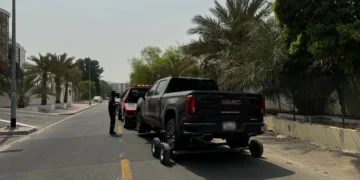


































































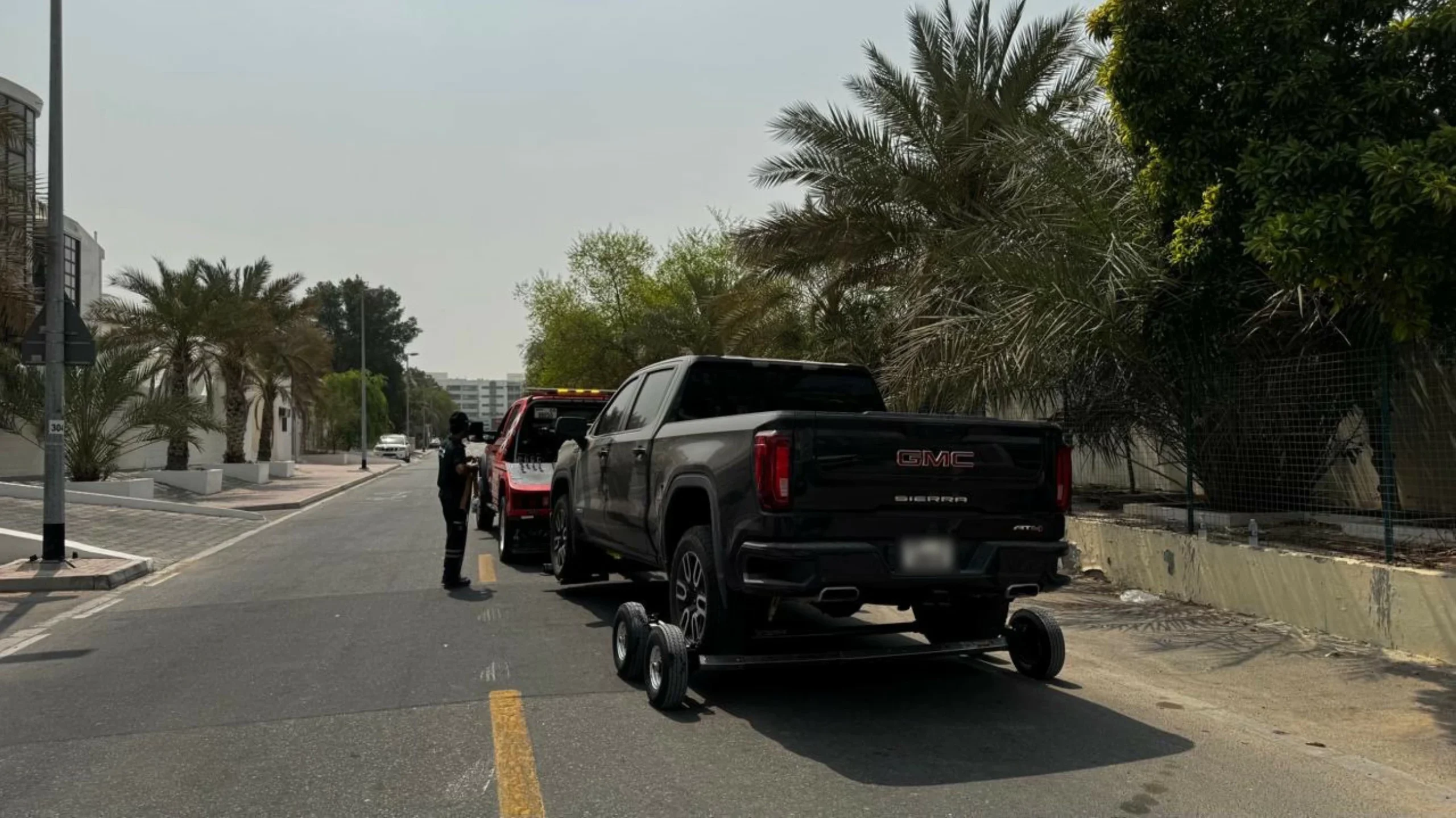
Dubai Police’s Violations Monitoring Department impounded 497 vehicles during the first half of 2026, targeting motorists with significant outstanding traffic fines and long-expired vehicle registrations. Brigadier Juma Salem Bin Suwaidan, Director of the General Department of Traffic, revealed that some of the seized vehicles had accumulated tens of thousands of dirhams in unpaid penalties, with some owners failing to renew their registrations for several years.
Brigadier Bin Suwaidan emphasized that these enforcement campaigns are not intended to generate revenue, but rather to curb dangerous driving habits and ensure road safety. He noted that driving an unlicensed vehicle poses a significant risk to both the driver and the public, as such cars often lack the necessary technical inspections to be deemed roadworthy. The police remain committed to strictly enforcing traffic laws and will continue to track down offending vehicles using an integrated system of smart technologies that monitor highways, parking facilities, and public spaces.
Before resorting to impoundment, the General Directorate of Traffic attempts to contact owners through phone calls, text messages, and emails to encourage them to settle their debts and regularize their vehicle status. Brigadier Bin Suwaidan urged all motorists to keep their contact information updated with the Roads and Transport Authority (RTA) to ensure they receive these critical notifications. He warned that ignoring these alerts leads to legal consequences, increased financial burdens, and complications when attempting to complete vehicle-related transactions.
To assist drivers in managing their financial obligations, Dubai Police offers several convenient payment channels. Fines can be settled through the Dubai Police Smart App, the official website, self-service kiosks, or at any Smart Police Station (SPS). Additionally, the department provides flexible financial solutions, including interest-free installment plans through partner organizations and the “Tabby” payment service, which allows owners to clear their records without facing immediate, overwhelming costs.
The police official stressed that while these payment options are available, the ultimate goal is to foster a culture of compliance. He urged drivers to view traffic regulations as essential safety measures rather than mere inconveniences. By regularly reviewing their traffic records and addressing violations promptly, motorists can avoid the legal repercussions of impoundment and contribute to safer roads for everyone. The department confirmed that inspection operations will persist, and those who continue to neglect their legal responsibilities will face further enforcement actions. The report also notes that he stressed that accumulating fines and failing to renew vehicle registration demonstrate irresponsible behavior and a disregard for regulations intended to protect lives and property. The report also notes that which can lead to fatalities, injuries, and property damage, he highlighted the fact that ongoing violations put both drivers and other road users at risk of accidents. The report also notes that whether on highways or in parking areas and public spaces, he detailed how field teams leverage an integrated system that includes smart technologies and modern tools to track wanted vehicles and pinpoint their locations. The report also notes that the campaigns aim not merely at impounding vehicles but also at raising traffic awareness and fostering responsibility among drivers. The report also notes that additionally, they are advised to routinely review their traffic records instead of allowing fines to accumulate, making them harder to pay off. The report also notes that nonetheless, avoiding violations altogether remains the best approach to safeguard lives and properties and promote safety on Dubai’s roads.
Source: Gulf Today