






























































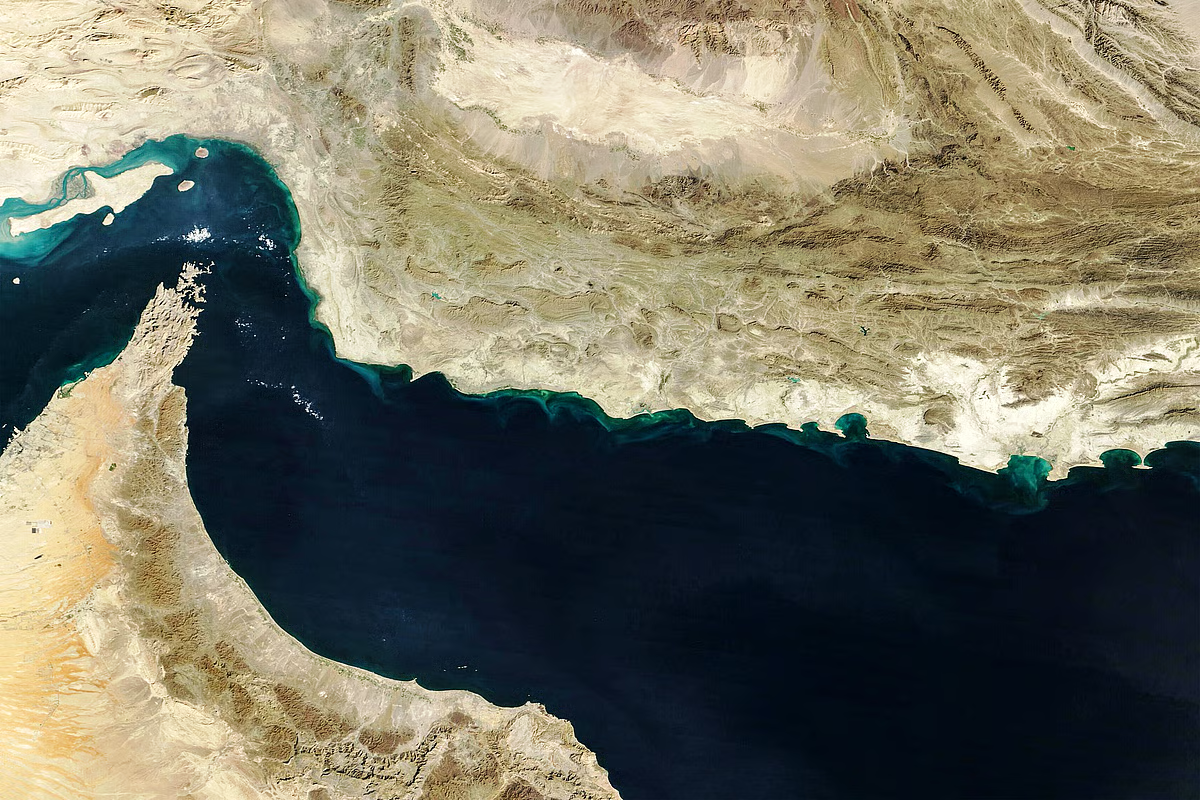
Strait of Hormuz talks are advancing as Iran sets seven specific conditions for the United States. While Iran and Oman are moving closer to an agreement on how commercial ships could travel through the vital waterway, a bilateral shipping deal does not necessarily mean the strait will fully reopen to global traffic.
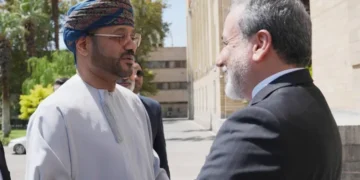
Iranian Foreign Minister Abbas Araghchi confirmed that the two sides are “very close” to an agreement on managing shipping through the Hormuz corridor. Oman, which is playing a key role in the negotiations between Iran and the wider international community, stated that the discussions are continuing in a “positive and constructive atmosphere.”
Despite this progress, Iran maintains that a deal with Oman alone is insufficient to restore normal shipping. Full reopening remains conditional on broader geopolitical factors, as Iran insists that the waterway will not return to normal operations until the US “corrects its behaviour.”
Vice President JD Vance indicated that Washington and Tehran are still engaged in negotiations, with the US expecting Gulf oil and gas exports to eventually return to pre-war levels. However, the US had not responded to Iran’s seven specific demands at the time of writing.
Under the proposed arrangement, ships would initially use a temporary route while Iran and Oman work toward a new Traffic Separation Scheme. This scheme involves designated shipping lanes designed to keep vessels traveling in opposite directions apart. Even if the strait reopens, ships may not immediately return to their pre-conflict routes.
Questions remain regarding which routes will be utilized, who will coordinate vessel movements, and what security arrangements will apply. Iran has been directing some vessels away from traditional lanes, citing security concerns. This move gives Tehran greater control over how vessels navigate the waterway, a shift that has prompted many ships to abandon the traditional Traffic Separation Scheme.
The European Union has reported that Iran’s Revolutionary Guard introduced a system requiring vessels to provide information and, in some cases, pay tolls to transit. This makes the key question not just “Will Hormuz reopen?” but “Who will control how ships pass through it?”
Mohammad Bagher Zolghadr, chief of Iran’s Supreme National Security Council, has outlined the conditions for reopening, which include permanently ending the war with Iran and its regional allies, lifting the US naval blockade of Iranian ports, and releasing frozen Iranian assets unconditionally.
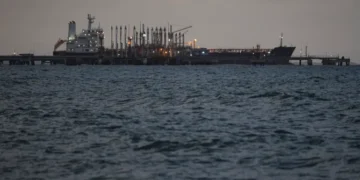
Oman has warned that ongoing attacks on commercial vessels could undermine the current talks. Shipping through the strait remains far below pre-war levels, where it previously handled roughly 130 to 140 vessel crossings a day. According to maritime intelligence firm Kpler, just eight vessels crossed the strait on Friday, a sharp decline that highlights why a formal agreement may not immediately restore normal traffic.
The security situation remains a major concern for commercial operators. The UAE reported that an ADNOC vessel was targeted by an Iranian missile while sailing through the strait on Saturday. ADNOC noted that more than a dozen of its vessels have been targeted by missiles and drones since the conflict began, resulting in one death and 20 injuries.
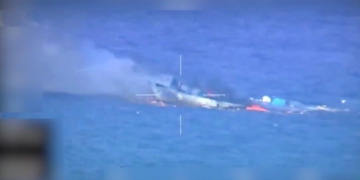
Separately, the UK Maritime Trade Operations centre reported that a vessel about 18 nautical miles off Khasab, Oman, was hit by an unknown projectile. The incident caused a fire, though the crew was reported safe. It remains unclear if these incidents involved the same vessel.
These attacks add a layer of complexity to the negotiations. Even if a new shipping route is established, commercial operators must determine if the environment is safe enough to resume transit. Before the disruption, approximately 20 million barrels of oil a day—roughly one-fifth of global production—passed through the strait, making the resolution of these security concerns critical for global energy markets.
Strait of Hormuz talks advance as Iran sets 7 conditions for the US
One crew member has been killed and 20 injured in previous attacks.
That is important because agreeing on a route is only one part of the problem.
Shipping companies are likely to wait for greater clarity on security, routes and the rules governing transit.
It also carries a major share of global LNG shipments.
Can the wider US-Iran dispute be resolved?
Will Trump meet Iran’s latest price to reopen Hormuz?
Trump: Iran keen to find a way to end conflict
Tragic end to search for Indian sailor after attack
Source: Gulf News