













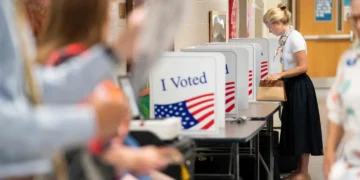







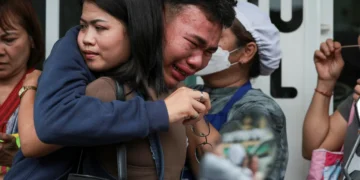
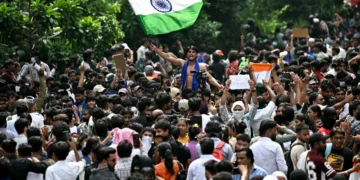



























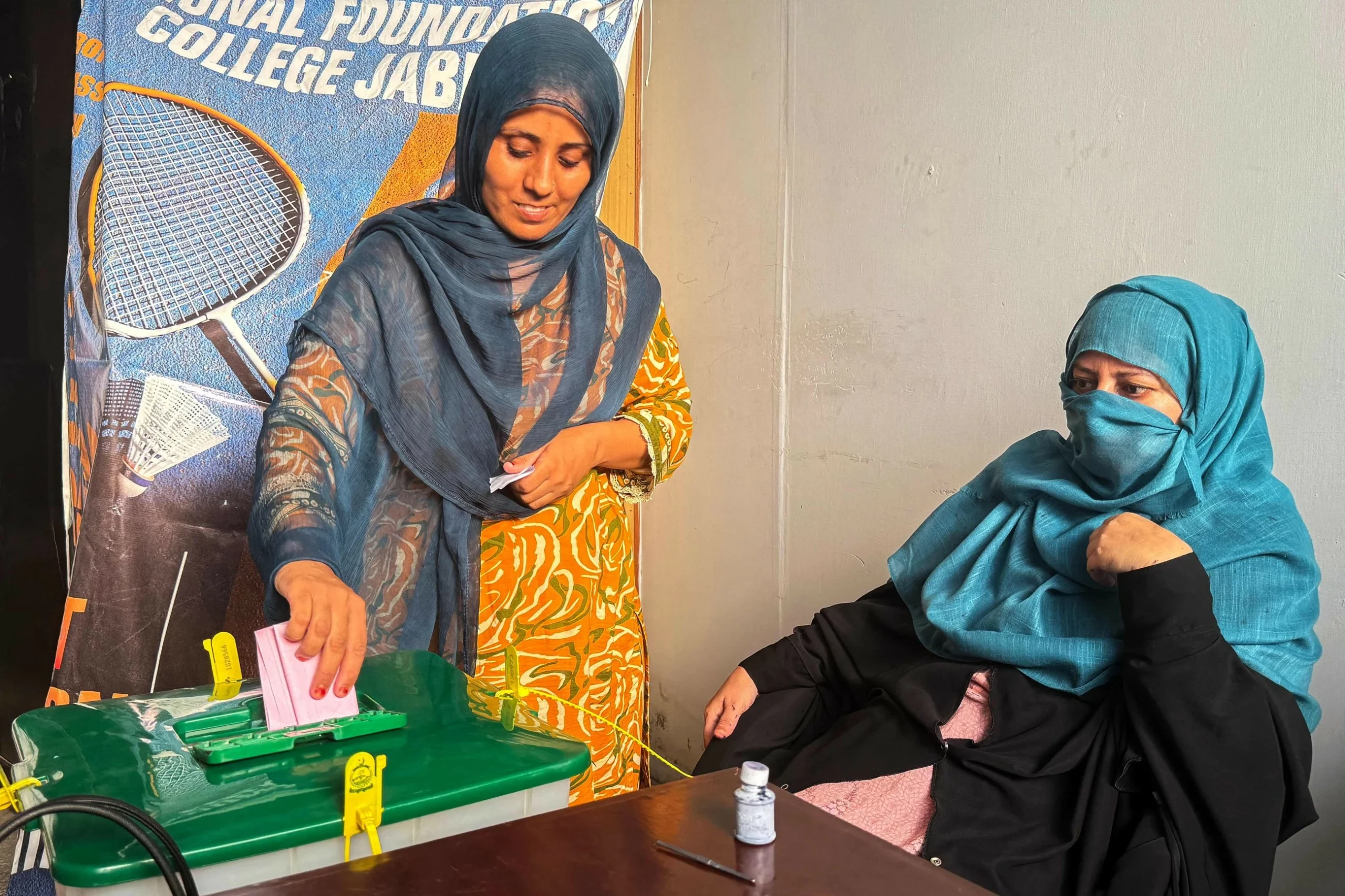
Voters headed to the polls on Monday for the concluding phase of legislative assembly elections in Pakistan-administered Kashmir. The voting follows weeks of intense protests and clashes with security forces that have significantly impacted the campaign period in the disputed Himalayan territory.
Raja Shakeel, a spokesperson for the regional election commission, confirmed that balloting is proceeding across four constituencies. This final round takes place despite a formal boycott call issued by the Joint Awami Action Committee (JAAC), an organization recently outlawed by the regional government due to public order and security concerns.
The Pakistan Muslim League-N (PML-N), which serves as the ruling party in Pakistan, has already secured a majority. Having claimed 24 of the 34 seats decided during the initial two phases, the party is positioned to form the regional government for the first time in ten years. Rana Sanaullah, a political adviser to Prime Minister Shehbaz Sharif, expressed confidence that the PML-N would achieve a two-thirds majority.
Several prominent political figures are vying for seats in this final round. Regional Prime Minister Faisal Rathore is contesting a seat in Haveli, while former Prime Ministers Sardar Attique Ahmed Khan and Sardar Tanveer Ilyas Khan are also on the ballot. Mushtaq Minhas, a senior vice president of the PML-N, is likewise among the candidates seeking office.
The region remains a focal point of geopolitical tension, as both Pakistan and India claim the territory in its entirety. The two nations have engaged in two of their three major wars over the region since the end of British colonial rule in 1947. Security remains a priority, with officials noting that the staggered electoral process was designed to mitigate security risks, with completion expected by the end of this month.
Central to the ongoing unrest is a dispute regarding 12 legislative seats reserved for individuals displaced from Indian-controlled Kashmir. These seats were originally established to provide representation for refugees who settled in other parts of Pakistan when the region lacked the infrastructure to host them. The JAAC argues that this system grants excessive political influence to non-residents and has demanded the abolition of these reserved seats.
While the JAAC, which was established in 2023, has campaigned for broader political rights, the government maintains it has already addressed 36 of the group’s 38 demands. Officials assert that the debate over the reserved seats is a matter that can only be settled by the newly elected regional assembly. Once the final results are tallied, the new lawmakers will be sworn in to select the region’s next prime minister.
Source: Gulf Today