





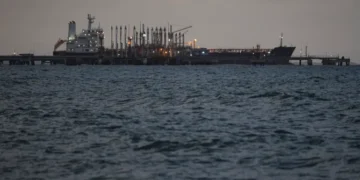













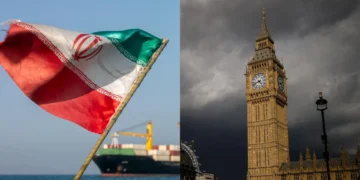





















Iranian leadership has publicly acknowledged the severe economic impact of the ongoing six-month conflict with the United States. President Masoud Pezeshkian reported that the combination of international sanctions and a naval blockade on Iranian ports has caused a nearly 35 percent decline in both exports and imports.
Despite these pressures, the government maintains that it successfully offloaded approximately 90 million barrels of oil during a brief window in June, facilitated by a short-lived Memorandum of Understanding with Washington. Addressing the nation’s financial instability has now become a primary objective, with officials aiming to curb inflation, stimulate job creation, and reduce the economy’s reliance on the dollar.
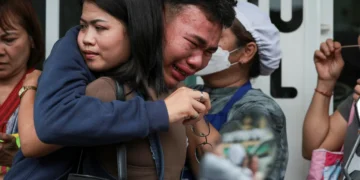
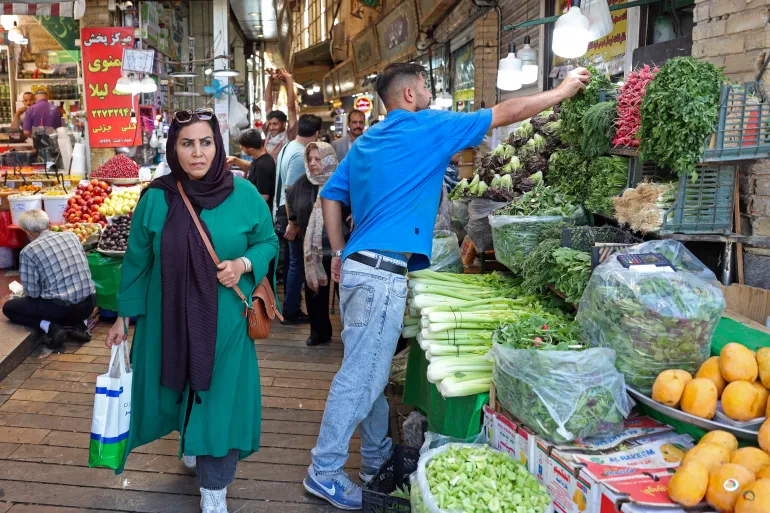
The economic crisis is hitting citizens hard, with annual inflation reaching 66 percent last month. Residents in Tehran report that the war has fundamentally altered their daily lives. “Before the war, I didn’t work. Since the war, I’ve had to find a job to help support my household,” said one resident named Maryam, adding that the rising cost of living has become overwhelming. Local business owners, such as Omid, noted that trade has stalled as overhead costs like rent continue to climb.
Supreme Leader Ayatollah Mojtaba Khamenei, who has remained out of public view since the conflict began on February 28 following the death of his father, Ayatollah Ali Khamenei, has formally urged the administration to prioritize these livelihood challenges. In a written statement, he emphasized the need to manage prices and address unemployment to maintain social cohesion.
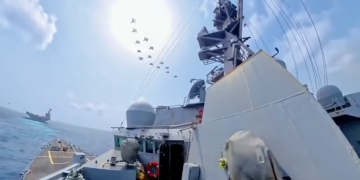
The government is currently framing its strategy as a dual approach, describing diplomacy and defense as “two complementary, coordinated and inseparable wings” of national policy. While President Pezeshkian has advocated for a less confrontational stance toward neighboring nations, the military remains defiant. Army commander-in-chief Amir Hatami stated that despite enemy efforts to neutralize Iran’s missile and drone capabilities, the country’s arsenal was utilized with maximum intensity throughout the conflict.
Diplomatic efforts are also underway, with Qatari Prime Minister Sheikh Mohammed bin Abdulrahman bin Jassim Al Thani visiting Tehran on Thursday to discuss the restoration of open shipping through the Strait of Hormuz. Foreign Minister Abbas Araghchi characterized these discussions as “creative.”
Looking ahead, Acting Defence Minister Majid Ibn Reza issued a warning on Friday regarding the country’s military readiness. He stated that Iran has “surprises” in store for its adversaries, noting that enemies would become aware of these developments in due time. The report also notes that pledging to withstand US pressure, pursue diplomacy and maintain what it says is control over the Strait of Hormuz, the admissions came on Saturday as Tehran signalled it would not back down. The report also notes that including curbing inflation, creating jobs and gradually reducing dependence on the dollar, the government said addressing the economic fallout was now a central focus. The report also notes that he said Iran had nonetheless managed to sell about 90 million barrels of oil during the short-lived Memorandum of Understanding (MoU) signed with Washington in June, when oil sales were briefly permitted. The report also notes that omid, who runs a food business, said trade had dried up as rents rose: “We can barely afford to pay our workers.”.
Source: Al Jazeera