



















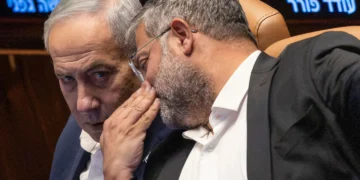




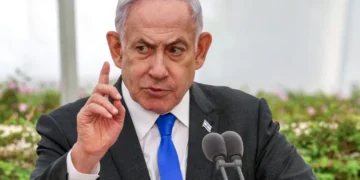













































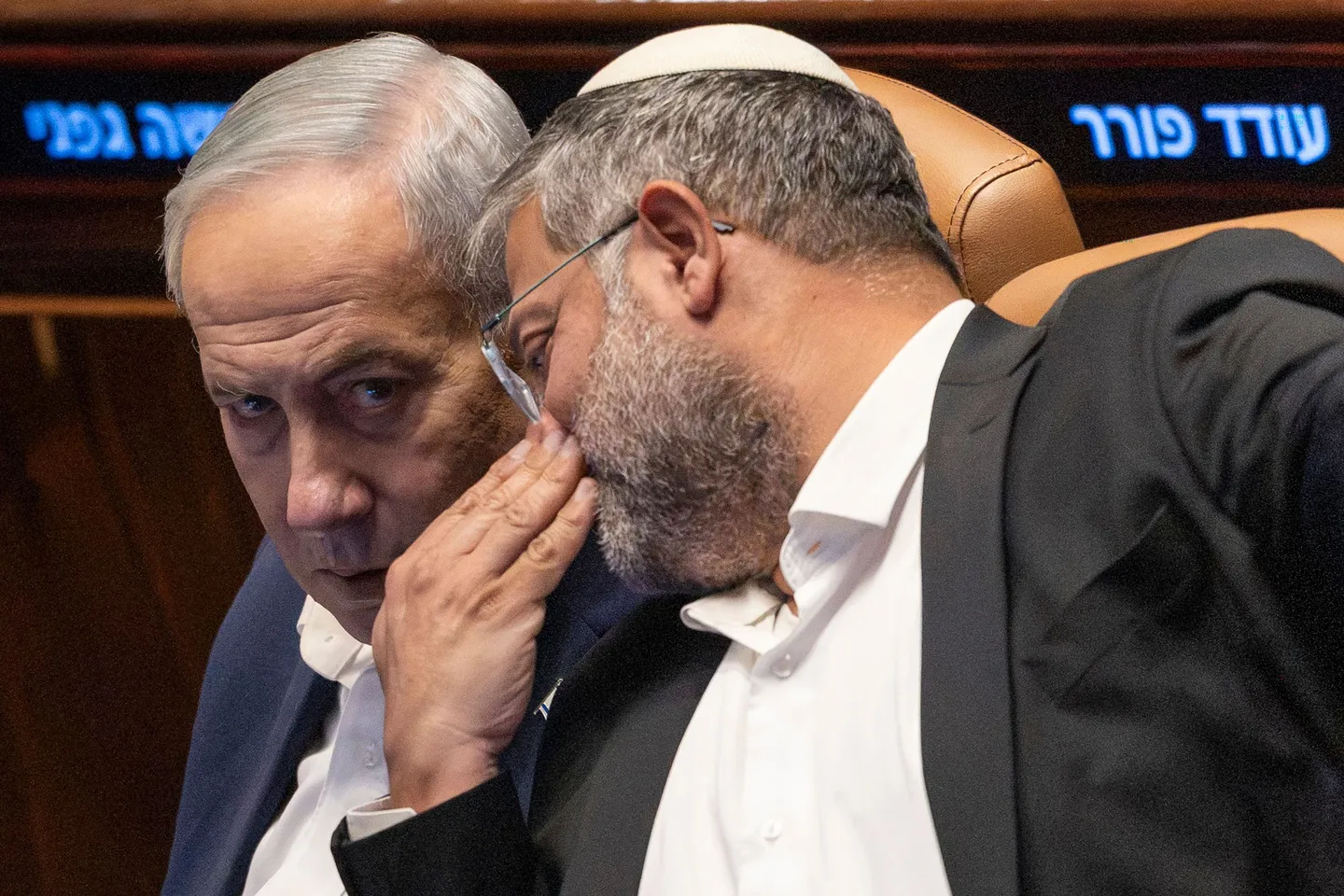
Tensions between Israeli Prime Minister Benjamin Netanyahu and National Security Minister Itamar Ben-Gvir have escalated into a public feud, highlighting growing instability within the right-wing coalition ahead of the October general election. The two leaders have increasingly utilized social media to trade barbs, signaling a widening divide that threatens the cohesion of the government.
Political observers suggest that Ben-Gvir, who leads the far-right Otzma Yehudit party, is actively positioning himself as the primary representative for hardline voters, aiming to distinguish his platform from that of the Prime Minister. This strategy has manifested in public boycotts of cabinet meetings, with Ben-Gvir pressuring Netanyahu to adopt more aggressive policies regarding the Palestinian territories.
The friction reached a new peak on August 24, when Ben-Gvir unilaterally announced the discovery of the Altalena shipwreck—a vessel carrying arms that was sunk by Israeli forces in June 1948. By bypassing the Prime Minister to claim credit for the discovery, which holds significant symbolic weight for the Israeli right, Ben-Gvir effectively sidelined Netanyahu. The Prime Minister subsequently held a separate press conference to address the event, pointedly refusing to appear alongside his cabinet colleague.
In response to the growing discord, Netanyahu released a social media video on August 27, urging Ben-Gvir and Religious Zionist party leader Bezalel Smotrich to set aside their “personal issues” and unite to consolidate the right-wing vote. Netanyahu warned that internal divisions could lead to an electoral defeat, drawing a historical parallel to the 1992 election where a fractured right-wing bloc allowed the Labor party to secure victory.
Ben-Gvir dismissed the appeal, stating, “Mr. Prime Minister, I did not understand your video.” He further alleged that Netanyahu is intentionally weakening far-right factions to pave the way for a potential national unity government with Gadi Eisenkot, the leader of the centrist Yashar party.
The conflict is further complicated by accusations of security leaks. Netanyahu has publicly accused Ben-Gvir of compromising national secrets for political gain. In a retaliatory move, Ben-Gvir’s party demanded that all cabinet members, including the Prime Minister, undergo lie detector tests, suggesting that the leaks originated from within Netanyahu’s own office.
Beyond internal strategy, Netanyahu has expressed concern over Ben-Gvir’s actions on the international stage. The Prime Minister has previously rebuked the security minister for behavior deemed inconsistent with Israeli norms, including the high-profile eviction of a UNRWA facility while in tactical gear and the circulation of a video mocking detained pro-Palestinian activists from a Gaza aid flotilla.
Current polling data paints a precarious picture for the incumbent government. Projections indicate that Netanyahu’s bloc is expected to secure 48 seats in the 120-seat Knesset, while the Eisenkot-led bloc is trending toward 57 seats, with unaligned parties holding the remaining 15. Netanyahu has reportedly acknowledged that his party’s standing is currently worse than polls suggest and that an electoral loss is likely without a significant shift in momentum.
Analysts note that the public nature of these disputes underscores Ben-Gvir’s increasing influence, with some commentators suggesting that Netanyahu is now forced to negotiate with his own minister to maintain a unified front. As the October vote nears, the ability of these leaders to reconcile their ideological and personal differences remains a critical factor for the future of the right-wing coalition. The report also notes that which has overseen Israel’s genocidal war on Gaza and launched military attacks against six countries in the last few years, the two leaders hurled shots at each other on social media in a demonstration of widening cracks within the right-wing coalition. The report also notes that headed by Netanyahu, who is fighting for his political survival amid domestic crises and international isolation, experts say the online fight reflects deep differences within the right-wing coalition. The report also notes that he has repeatedly criticised Netanyahu for being “lax” on Gaza and has demanded a halt to the return of the bodies of deceased Palestinians accused of attacking Israel. The report also notes that for example, Ben-Gvir, along with Heritage Minister Amichay Eliyahu, gathered the media recently to inform the country about recovering the remains of the arms ship Atalena from the depths of the Mediterranean without Netanyahu’s knowledge. The report also notes that “The (trick) was nothing less than brilliant, a maneuver that deserves to be studied by political science departments around the world,” said one commentator.
Source: TRT World