
















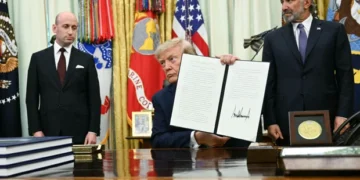









































United States President Donald Trump stated on Thursday that he believes the ongoing conflict with Iran is approaching its conclusion. Speaking from the Oval Office, the president expressed optimism about the situation, telling reporters, “I think it’s going to end pretty soon. I don’t think they can go much longer.” Trump also suggested that petrol prices would likely decrease once the hostilities cease, adding, “I think we’re doing fine,” regarding his administration’s current efforts.
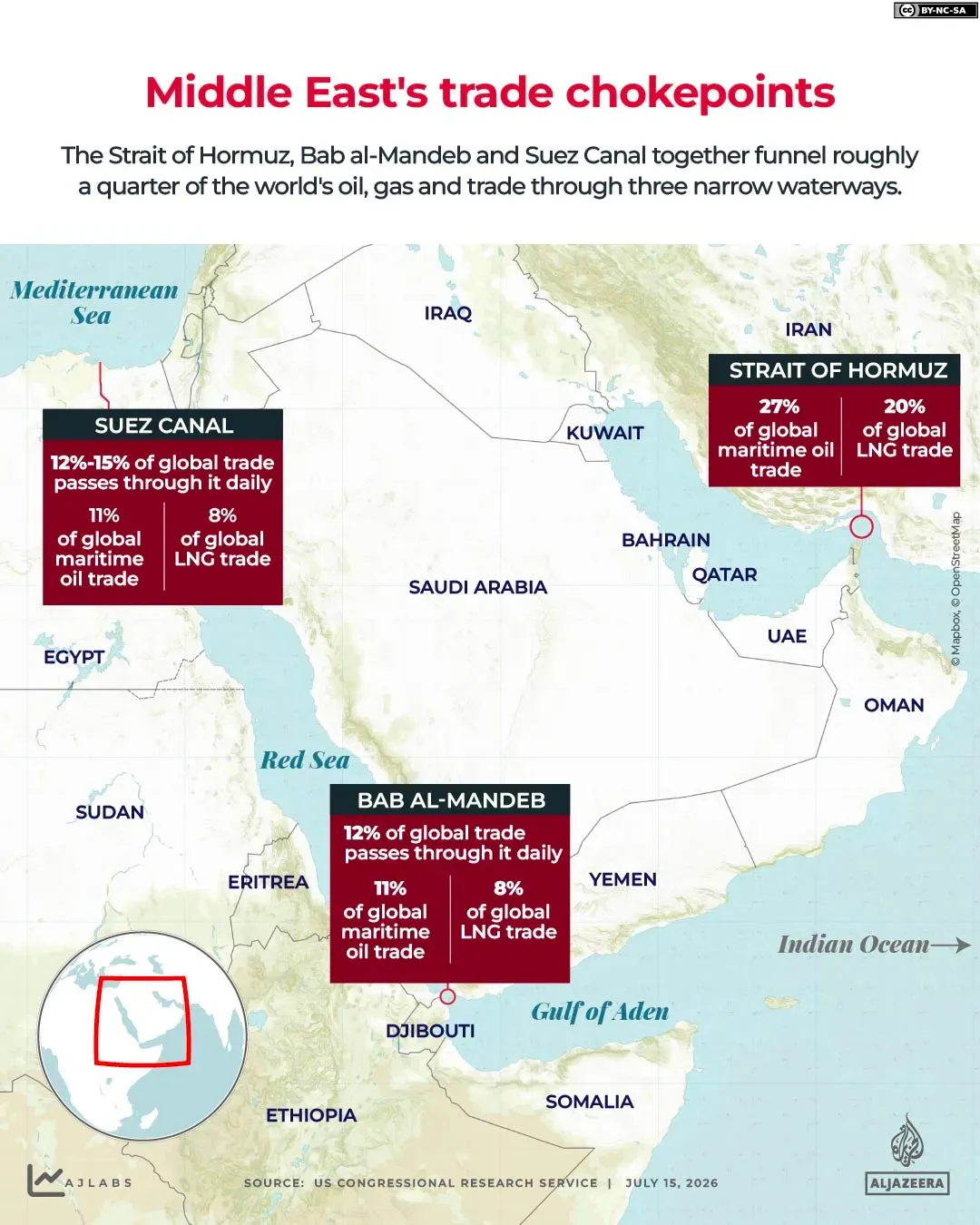
Despite the president’s rhetoric, the situation on the ground remains complex. Iran’s Fars news agency reported that a parliamentary committee is currently reviewing a preliminary bill that would prohibit US, Israeli, and other vessels deemed “hostile” from navigating the Strait of Hormuz. This development follows a period of intense volatility in the region, which serves as a critical artery for global energy supplies.
On Thursday, Iran and Oman announced an agreement regarding specific shipping route coordinates through the strait. This breakthrough is part of ongoing negotiations intended to resolve persistent disagreements between the US and Iran over the waterway’s management. Officials hope that settling these maritime issues will pave the way for broader peace discussions between Washington and Tehran.
Iran has maintained that it is not engaged in direct negotiations with the United States, asserting that its current diplomatic efforts are focused exclusively on Oman. This stance contrasts with Trump’s claims of being directly involved in high-level talks. Last Saturday, the US president cancelled a planned large-scale military strike, citing claims that Tehran and regional partners had requested a pause to facilitate a diplomatic breakthrough.
The administration’s narrative has faced scrutiny regarding military readiness. Trump reacted with frustration this week to media reports suggesting the US is experiencing a shortage of interceptor missiles in the region. Michael Stephens, a senior associate fellow at the Royal United Services Institute, corroborated these concerns, noting that reports of depleted stocks have persisted for months. Stephens warned that these shortages endanger US personnel and strain military commands as far away as East Asia.
While Trump has repeatedly asserted that Iran is on the verge of defeat, Iranian officials have consistently emphasized their readiness for a protracted conflict. The president’s pattern of threatening significant military action only to walk back those statements has drawn criticism from analysts. Trita Parsi, executive vice president of the Quincy Institute for Responsible Statecraft, argued that this cycle of escalation and retraction has severely damaged the credibility of potential negotiations.
Parsi noted that the repeated threats and subsequent cancellations have eroded the value of any incentives offered by the US, stating, “At some point, all credibility for negotiations is going to be lost.” This sentiment was echoed by Mohammad Bagher Ghalibaf, the speaker of Iran’s parliament and chief negotiator. In a social media post on Thursday, Ghalibaf dismissed the US approach as “theater diplomacy,” accusing the administration of using “bullying, broken promises, and fake news” as failed leverage.
The diplomatic landscape remains fraught with the legacy of previous failed agreements. A memorandum of understanding signed on June 17, which sought to guarantee free passage through the strait for 60 days, collapsed due to vague language regarding specific shipping routes. The dispute escalated when Iran fired upon vessels following approved paths, prompting the US to resume military strikes.
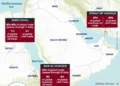
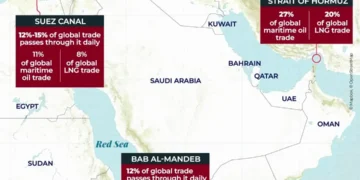
Shipping data from Reuters indicates that traffic through the Strait of Hormuz has dropped significantly, with only 33 vessels recorded between Monday and Thursday, compared to 50 the previous week. The waterway, which handled one-fifth of global oil and liquefied natural gas supplies before the conflict, remains largely closed while the US maintains a naval blockade on Iranian ports.
Experts remain cautious about the prospects for a lasting resolution. David Des Roches, a former director of Arabian Peninsula affairs at the US Department of Defense, told Al Jazeera that any future deal will likely reflect the reality that Iran must have a role in managing its territorial waters. He suggested that an agreement allowing Iran to restrict passage in specific zones might be the most realistic outcome currently achievable.
Alan Eyre, a diplomatic fellow at the Middle East Institute, expressed skepticism regarding the current state of affairs. He noted that Iran has largely abandoned direct communication with the US due to a lack of trust. “Nothing has changed,” Eyre said, pointing to the president’s history of contradictory statements. He suggested that the only substantive talks occurring are the technical discussions between Iran and Oman.
The conflict has been marked by extreme rhetoric, including an April 7 ultimatum from Trump threatening that “a whole civilisation will die tonight” if the strait was not opened. That threat was rescinded just two hours before the deadline in favor of a two-week ceasefire. As the situation stands, the closure of the strait continues to trigger a global energy crisis, with no clear timeline for a comprehensive peace agreement.
Iranian officials, however, have emphasised that they are prepared for a long war.
On April 7, Trump threatened that “a whole civilisation will die tonight, never to be brought back again” if Iran did not open the Strait of Hormuz.
“I think this has become somewhat of a tiresome pattern,” he said.
He reacted angrily this week to US media reports that the US may, in fact, be running low on weapons in the region.
“The fact is it’s more dangerous for US military personnel to operate in the region as a result of these missile shortages.
The credibility of actually sticking to a deal is questionable.
He explained that Iran has decided it is not worth talking directly to the US because it “can’t count on anything the US says”.
President Trump has promised to annihilate Iran five or six times and then backs down at the last minute.
“‘Massive attack coming … wait, never mind, they want to negotiate.’ That’s theater diplomacy on loop,” Ghalibaf wrote on X.
He called on the US to “acknowledge the facts” and fulfil its commitments.
While a memorandum of understanding (MoU) was signed on June 17 between Iran and the US, under which Iran committed to reopen the strait to all shipping freely for at least 60 days, the vague wording of that agreement led to disagreements, primarily over what routes ships should take.
The dispute culminated in Iran firing at several ships taking a US/Oman-approved route and then the US resuming attacks on Iran.
Analysts believe the US will have to bend on its refusal to allow Iran any control, however, given the pressure the Trump administration is under to get the Strait of Hormuz reopened to commercial traffic.
Source: Aljazeera