















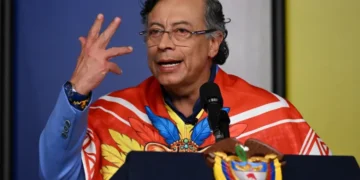





































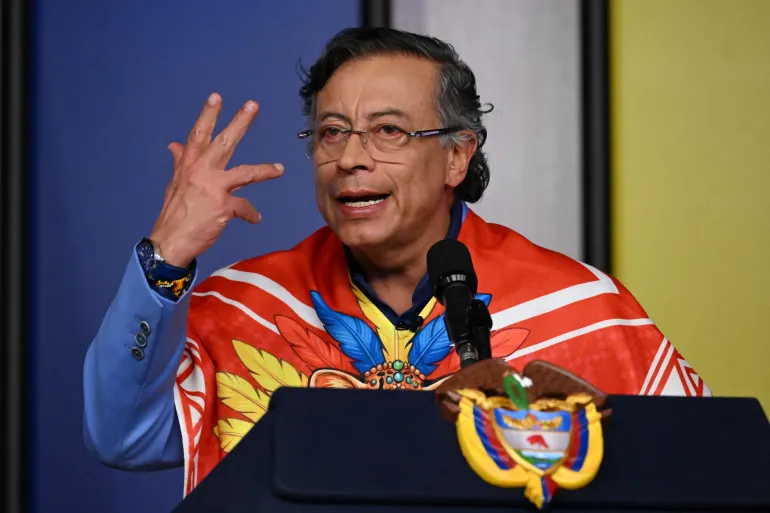
Colombia’s outgoing president, Gustavo Petro, has repeated allegations that June’s presidential election was rigged, rejecting the legitimacy of his right-wing successor, Abelardo de la Espriella.
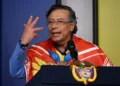
Speaking before journalists in Bogota on Monday, the left-wing Petro claimed that programmers had altered thousands of tally sheets after counts were transmitted to the national election agency. He alleged the process was “obscure,” manipulated by foreign powers, and that metadata associated with vote tallies was hidden from review.
Colombia’s electoral authorities and international observers have rejected these fraud claims. Election officials declared in late June that de la Espriella, a conservative lawyer, defeated Petro’s ally Ivan Cepeda by 250,000 votes. De la Espriella is scheduled to be sworn in before Congress this Friday.
Petro, a former rebel fighter who became the country’s first socialist president in 2022, is barred from a second term by the constitution and has little ability to stop the transition after electoral judges certified the results. “We are facing a profound institutional problem,” Petro said. “And it’s the inauguration of an illegitimate president.”
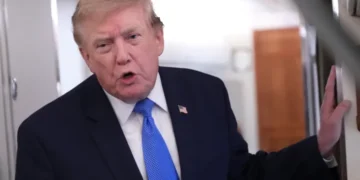
Petro’s final months were marked by clashes with US President Donald Trump. In October, Trump labeled Petro an “illegal drug leader” and ended US payments to Colombia, prompting Petro to call Trump “rude and ignorant.” Following the US abduction of Venezuelan President Nicolas Maduro in January, Trump suggested a military operation against Colombia might “sound good.”
Weeks later, US prosecutors launched a probe into potential links between Petro and drug traffickers during his 2022 campaign. Petro stated on Monday that he fears being “extracted” from Colombia once he becomes an opposition leader, and he has called for protests and the formation of “liberation guards” in rural areas.
“I’ve been told to behave well,” Petro said. “But as a democrat, I cannot accept this electoral fraud.” Andres Macias, a professor of political science at Externado University, warned that the call for guards could “justify the use of weapons by civilians” in regions already plagued by conflicts between the military, drug cartels, and rebel groups.
Some analysts suggest these allegations could weaken Petro’s standing with voters and further deepen Colombia’s political polarisation as the country prepares for a contentious change in leadership.
Source: Aljazeera