


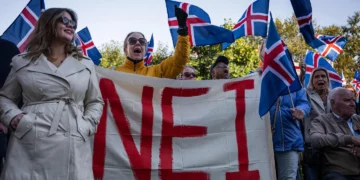
















































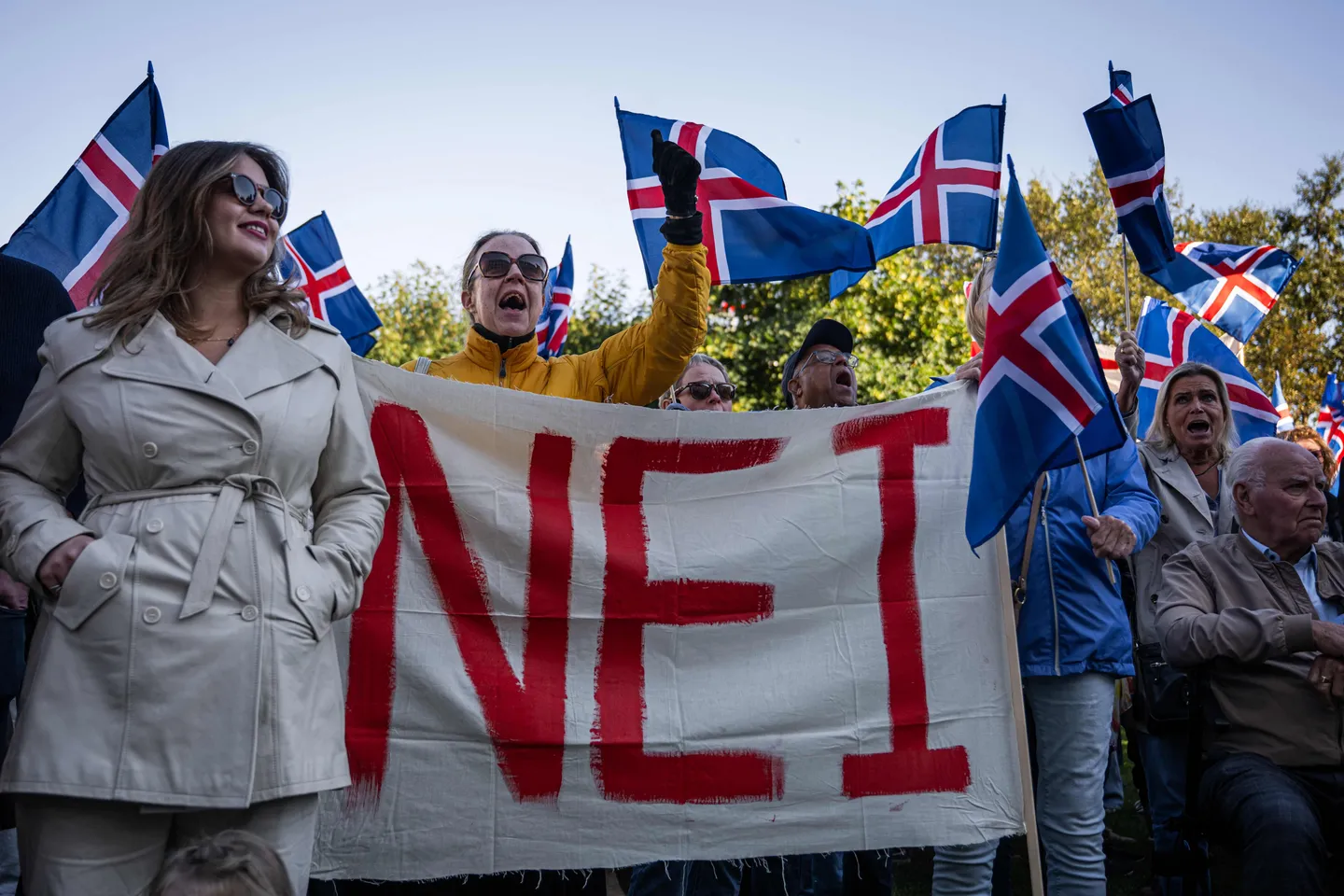
Iceland has officially turned away from the prospect of European Union membership after nearly 53 percent of voters rejected a government-led initiative to reopen accession negotiations. Prime Minister Kristrún Mjöll Frostadóttir, whose administration sought to restart the dialogue in 2024, confirmed that the government would respect the public’s decision.
Key Factors in the Referendum Outcome
- Sovereignty ConcernsVoters expressed significant apprehension regarding the transfer of decision-making authority from Reykjavik to EU institutions in Brussels.
- Economic ProtectionThe fishing industry, which accounts for approximately 30 to 40 percent of the nation’s economic output, remains a central pillar of the debate.
- Regional DisparitiesWhile the capital, Reykjavík, showed support for the talks, rural areas—particularly in the northwest—voted overwhelmingly against them.
- Historical ContextIceland’s identity as an independent republic since 1944, following the severance of ties with Denmark, continues to influence its cautious approach to supranational organizations.
Margrét Ágústa Sigurðardóttir, secretary general of the Icelandic Farmers’ Association, noted that the “No” campaign was driven by a desire to maintain national control over resources deemed vital to the country’s long-term interests. She emphasized that the result should not be viewed as an anti-European stance, as Iceland remains integrated into the European single market and the Schengen free-travel area.
Expert Perspectives on the EU’s Geopolitical Standing
- Limited ImpactAnders Wivel, a professor at the University of Copenhagen, suggests that most European leaders will view this as an isolated Icelandic issue rather than a broader crisis for the bloc.
- Precedent RisksEvren Kucuk, a professor at Kastamonu University, argues that the result could embolden Eurosceptic movements in other nations, such as Norway and Switzerland, by highlighting the potential for reclaiming national sovereignty.
- Geopolitical PullKucuk further suggests that the rejection by a culturally European nation signals a potential weakening of the EU’s geopolitical influence amid global instability.
The debate over EU membership is not new for Iceland. The country first applied for membership in 2009 following a severe financial crisis, but the process was suspended in 2013 and formally withdrawn by the government in 2015. The recent attempt to revive the discussion occurred against a backdrop of shifting security concerns, including tensions in Ukraine and the Middle East.
Regional security dynamics have also played a role in the national conversation. Iceland, a NATO member located roughly 290 kilometers from Greenland, has faced unique pressures in recent years. Kucuk points out that rhetoric from the Trump administration regarding the potential acquisition of Greenland placed Icelandic leadership in a difficult position, forcing them to reconsider their international alliances. Despite these pressures, the electorate ultimately prioritized domestic control, with many voters viewing food security as synonymous with national security. The report also notes that the EU has grown from six founding members to 27 states over the past seven decades and is pursuing further enlargement. The report also notes that experts say, the question was not simply whether they see themselves as European, but how much control they are prepared to surrender over resources and policies closely tied to the country’s economy and national identity, for many Icelanders. The report also notes that “Concerns about fisheries, agriculture, natural resources, food security, and democratic accountability featured prominently throughout the campaign. The report also notes that many people felt that decisions on these fundamental issues should continue to be made in Iceland by those directly accountable to Icelandic voters,” she says. The report also notes that who actively supported the “No” campaign, says its supporters came from different regions and a wide range of social and economic backgrounds, sigurðardóttir. The report also notes that descendants of Vikings, a nation of sailors, have long prided themselves on their cod and haddock catches from the icy Arctic waters around Iceland, where seafood and marine products make up nearly a third to 40 percent of the Nordic country’s total exports, the country’s fishermen. The report also notes that as a result, the country’s economy has largely been built around its fishing industry, rooted in rural areas and Iceland’s northwest, where more than 60 percent said no to EU talks. The report also notes that while urban areas like the capital, Reykjavík, said yes, even young voters did not seem very enthusiastic about joining Brussels.
Source: TRT World