

































































Washington, DC — The votes are counted, and the Democratic Party’s identity crisis just got a testing ground in the reddest of purple states. Tuesday’s primaries in Michigan, Missouri, Kansas, Virginia, and Washington provided a clear snapshot of the party’s shifting coalition and the extent of Donald Trump’s influence on the GOP.
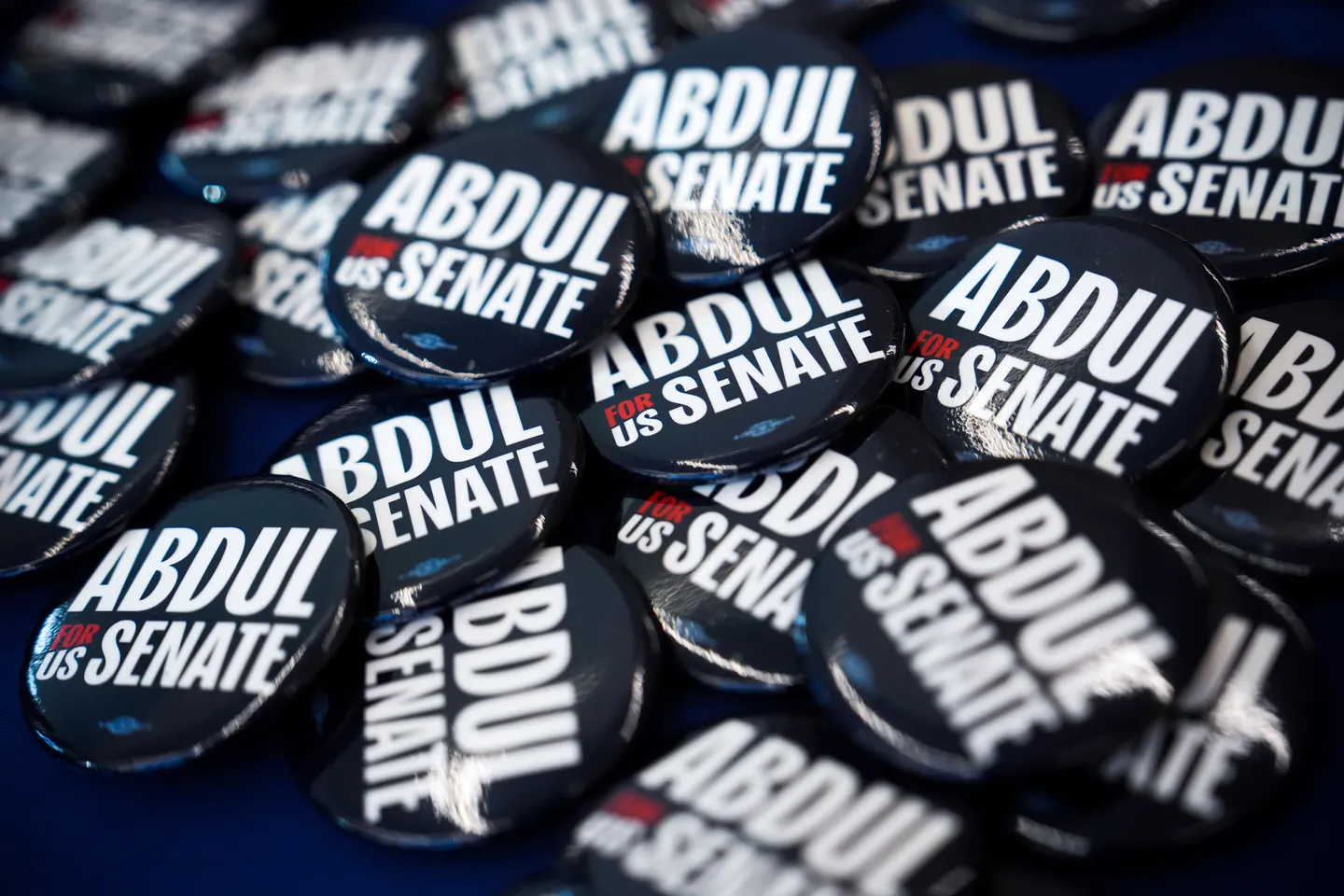
1. El-Sayed’s win was a squeaker, not a landslide. Progressive Abdul El-Sayed defeated Representative Haley Stevens for Michigan’s Democratic Senate nomination by fewer than two points, a tighter finish than polls suggested. Stevens had the backing of Governor Gretchen Whitmer and Senate leadership; El-Sayed campaigned on Medicare for All and ending military aid to Israel.
He now faces former Representative Mike Rogers in November, in a state Trump carried in 2024, meaning the closeness of Tuesday’s result matters as much as the win itself.
2. AIPAC’s money didn’t buy the outcome it wanted. The pro-Israel lobbying group and its affiliated PACs poured more than $30 million into defeating El-Sayed, the largest single-candidate outlay in the organization’s history, and lost anyway. It was not a clean sweep, however; AIPAC-aligned spending helped Missouri Representative Wesley Bell defeat former Representative Cori Bush by a wide margin.
The split record, alongside polling showing Democratic favorability toward Israel slipping, has left some establishment Democrats publicly distancing themselves from AIPAC contributions.
3. Progressives padded their wins down the ballot. Beyond the Senate race, Michigan Democrats nominated Sunrise Movement co-founder William Lawrence in the battleground 7th District and state Representative Donavan McKinney, who ousted incumbent Representative Shri Thanedar in Detroit’s 13th. These victories follow earlier progressive successes in New York and Colorado, though Bush’s loss in Missouri serves as a reminder that the movement’s success remains uneven.
4. Red states rejected GOP attempts to rewrite rules. Missouri voters crushed a legislature-backed measure that would have made future constitutional amendments harder to pass, following recent citizen-led efforts to enact Medicaid expansion. Kansas voters rejected a proposal to make state Supreme Court justices elected rather than governor-appointed, an effort widely seen as retaliation for the court’s rulings preserving abortion rights.
Both measures failed by lopsided margins, echoing similar defeats for GOP-backed ballot restrictions in Ohio, Arkansas, and South Dakota.
5. Trump’s hold on the GOP base is mixed. Trump-endorsed candidates won gubernatorial nominations in Michigan and Kansas, and his pick prevailed in a Washington House primary. However, in Michigan’s 8th District, his endorsed candidate lost to Thomas J. Smith, a little-known contender who had suspended his campaign weeks earlier. This result stunned Republican strategists who viewed the seat, which Trump carried in 2024, as a key pickup opportunity.
Source: TRT World