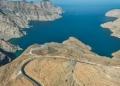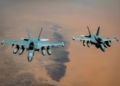









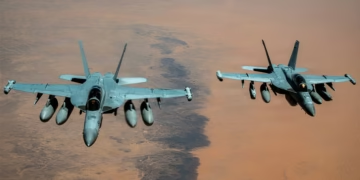
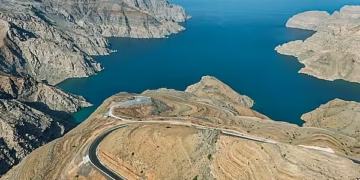

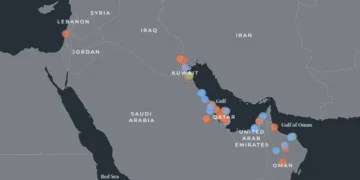



















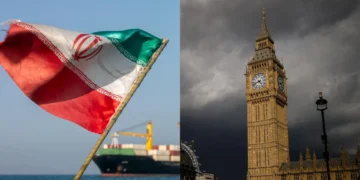



























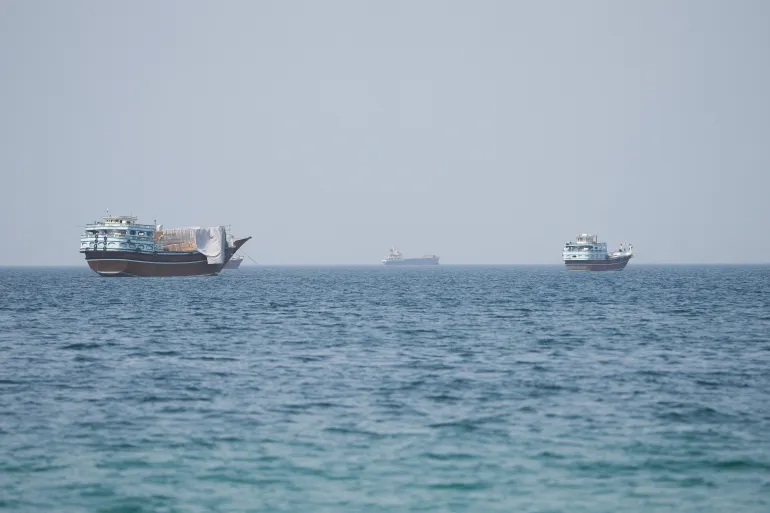
The United States military conducted an airstrike on Larak Island in southern Iran, marking the first such offensive operation against the country since late July. A US official confirmed the action, stating that the mission targeted specific rocket launchers positioned to deploy mines into the vital Strait of Hormuz.
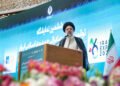
The Islamic Revolutionary Guard Corps (IRGC) acknowledged the strike, attributing the attack to the “American-Zionist enemy.” The organization reported that the bombardment resulted in both deaths and injuries among its personnel. In a formal statement, the IRGC vowed that the “sons of Islamic Iran” would respond to the aggression and ensure the punishment of those responsible.
IRGC spokesperson Sardar Mohebi characterized the US operation as a “strategic and fatal mistake,” warning that Washington would face severe consequences in both military and economic spheres. This escalation occurs as the US-Israel conflict with Iran enters its seventh month, shifting from a sustained bombing campaign toward a strategy focused on financial pressure.
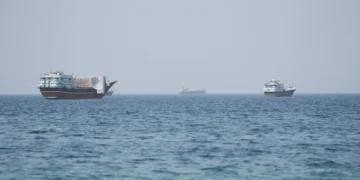
Despite recent claims from Washington that it has successfully secured the Strait of Hormuz and is facilitating the transit of millions of barrels of oil, the region remains volatile. Reports of maritime attacks in the waterway persist, and Tehran continues to maintain that the strait is effectively closed. On Saturday, Iranian Foreign Minister Abbas Araghchi publicly dismissed US assertions regarding successful oil shipments, stating on X that intelligence indicates major efforts to manipulate energy markets.
Araghchi further alleged that US government elements are utilizing media outlets to influence prices for personal gain while keeping President Donald Trump “mired in a losing war.” He added that Israel-aligned actors are promoting conflict through overly optimistic assessments, noting that the ultimate burden falls on American consumers.
The economic impact of the ongoing confrontation is evident in domestic US energy costs. The average price of a gallon of petrol has climbed to over $4, a significant increase from the sub-$3 levels recorded when the conflict began in late February. These rising energy prices have fueled inflation, potentially complicating the political landscape for the Republican Party ahead of the November midterm elections.
While the White House recently announced a push to isolate Tehran through secondary sanctions against international entities, Pentagon chief Pete Hegseth has maintained that the US remains prepared to utilize military force as necessary. Iran has historically countered such strikes by targeting military bases housing US troops in neighboring countries, and Tehran remains defiant, asserting its readiness for a long-term conflict. The report also notes that iran’s Fars News Agency had reported that explosions were heard near the island. The report also notes that iran has previously responded to similar US attacks by launching missiles and drones at military bases hosting US troops in neighbouring countries. The report also notes that uS officials have been touting what they describe as Iran’s loss of control over Hormuz while arguing that the country is on the verge of economic collapse due to sanctions and the military blockade against its ports. The report also notes that consumers feel the real bottom line.”. The report also notes that oil prices have remained high amid supply uncertainty, despite the reports of the US ending – or at least easing – Iran’s control of Hormuz.
Source: Al Jazeera