






























































Iran-Israel-US conflict escalates; tensions in the Gulf region, including the UAE and Saudi Arabia, threaten major shocks to remittances and energy markets.
Escalating hostilities involving Iran, Israel and the United States are sending shockwaves far beyond the Middle East, with significant implications for energy markets, global trade, and migrant-dependent economies such as Bangladesh.
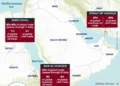
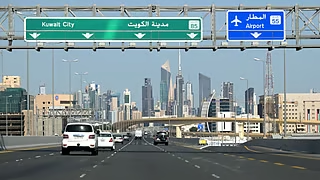
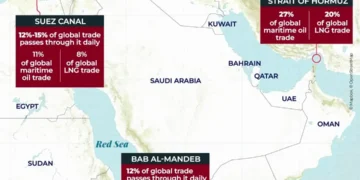
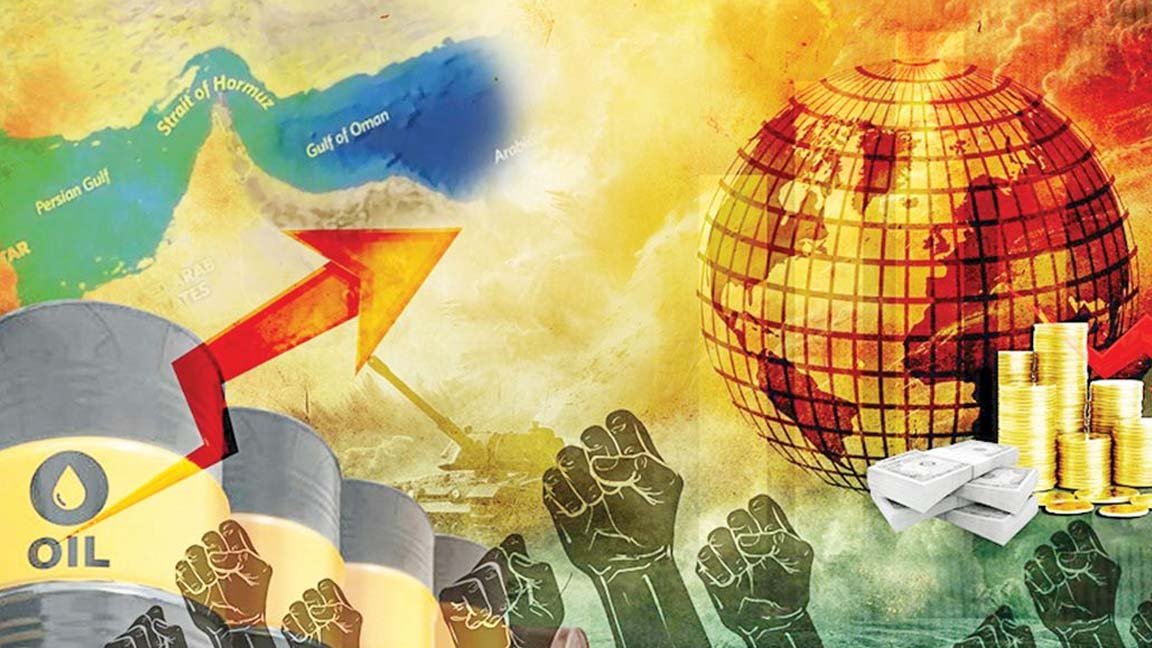
Tehran’s reported move to restrict or disrupt traffic through the Strait of Hormuz — a vital maritime chokepoint for global oil shipments — has intensified fears of a broader regional crisis. At the same time, heightened security alerts across Gulf nations have raised concerns for millions of foreign workers, including a large Bangladeshi diaspora.
Strategic Impact of Hormuz
Roughly a significant share of the world’s seaborne oil exports transit through the Strait of Hormuz. Any prolonged disruption could:
- Trigger sharp spikes in global oil prices
- Disrupt LNG supply chains
- Increase maritime insurance premiums
- Intensify inflationary pressures worldwide
For Bangladesh, which relies heavily on imported fuel, the economic consequences could be immediate.
Bangladeshi Workers in the Gulf
Bangladeshi nationals form a major workforce segment in Gulf economies, particularly in construction, energy, logistics, and services. Rising regional instability could lead to:
- Project delays and reduced labor demand
- Temporary work suspensions
- Disruptions in travel and remittance flows
- Heightened psychological stress among migrant workers
Families back home remain anxious as uncertainty grows.
Economic Vulnerabilities for Bangladesh
Remittance Risks
The Gulf region accounts for a significant portion of Bangladesh’s remittance inflows. Any sustained labor market disruption could weaken foreign exchange reserves and put pressure on the national currency.
Energy Cost Surge
Higher crude and LNG prices would increase power generation costs, industrial production expenses, and transportation tariffs.
Inflationary Pressure
Increased fuel and shipping costs would likely translate into higher consumer prices, disproportionately affecting low-income households.
Policy Imperatives
Analysts suggest Bangladesh may need to:
- Strengthen consular support for overseas workers
- Diversify labor markets beyond the Gulf
- Expand strategic fuel reserves
- Tighten macroeconomic management to contain inflation
Conclusion
While Bangladesh is geographically distant from the battlefield, it remains economically intertwined with the Gulf. The unfolding crisis underscores the vulnerabilities of remittance-dependent and energy-importing economies in times of geopolitical instability.
The coming weeks will determine whether tensions subside or escalate further. For Bangladesh, preparedness and diplomatic balance remain critical to mitigating potential fallout.