























































Dubai, 1 February 2026:
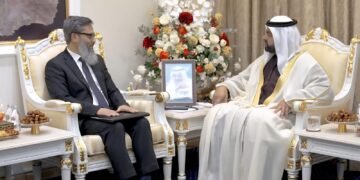
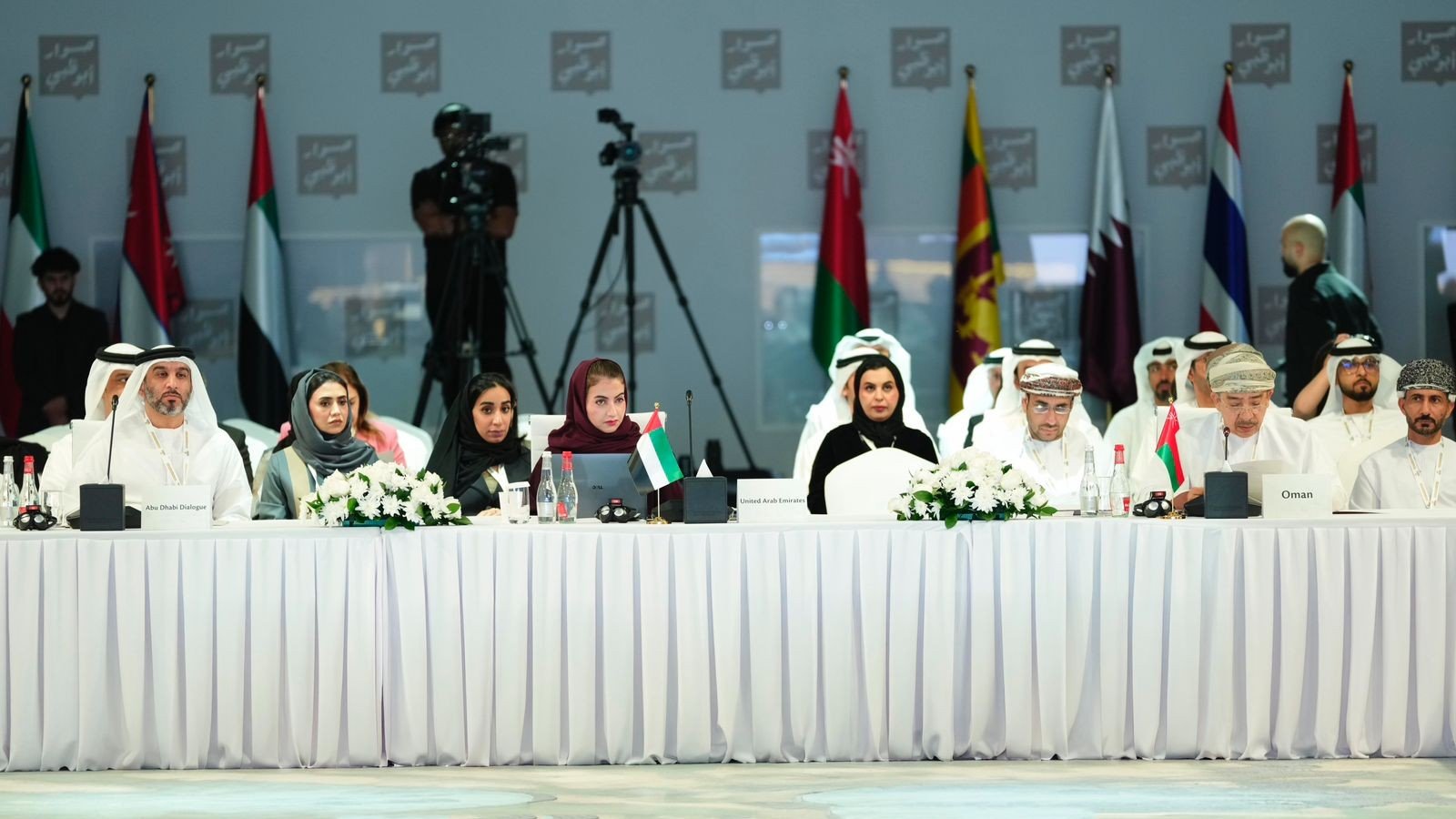
Honourable Adviser to the Ministry of Expatriates’ Welfare and Overseas Employment, Dr. Asif Nazrul, represented Bangladesh at the Abu Dhabi Dialogue (ADD) 2026. On the second day of the dialogue, he participated in the inaugural session and delivered remarks at the ministerial-level meeting. He also held a bilateral meeting with the UAE Minister of Human Resources and Emiratisation, Dr. Abdulrahman Abdulmannan Al Awar.
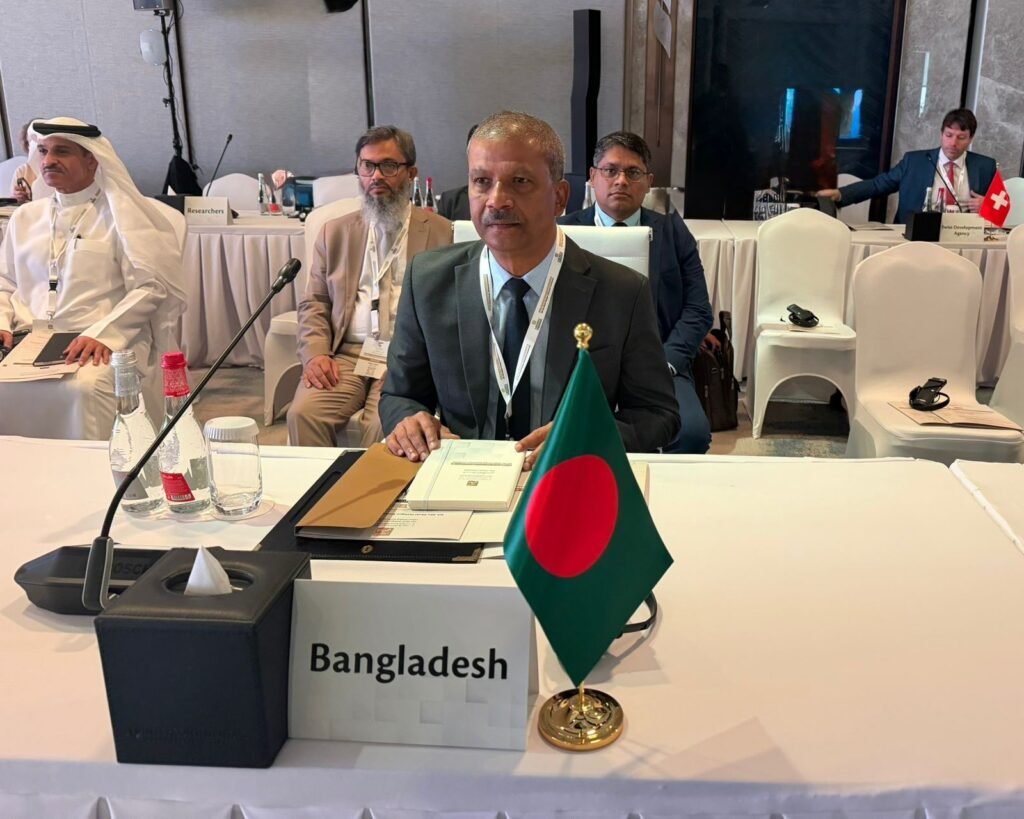
While addressing the Abu Dhabi Dialogue, Dr. Asif Nazrul described the platform as a trusted and effective mechanism for ensuring safe, orderly, and ethical labour migration. He noted that Bangladesh is one of the world’s largest labour-sending countries and that Bangladeshi expatriates make significant contributions not only to their home country through remittances but also to the economies of destination countries. However, he acknowledged that some migrant workers continue to face exploitation and violations of rights, issues that require joint responsibility and cooperation between sending and receiving countries.
He highlighted several recent initiatives undertaken by the Government of Bangladesh, including the launch of a 100 percent digital overseas employment portal, strengthened pre-departure support and overseas welfare services, upgrading skills training to international standards, and strict enforcement of laws against fraudulent recruitment practices. He emphasized the need for a shared commitment to ethical recruitment, decent work, and the protection of human dignity in labour migration.
During the bilateral meeting with the UAE Minister of Human Resources and Emiratisation, the Adviser expressed deep gratitude to the Government of the United Arab Emirates for granting general amnesty to 212 convicted Bangladeshi expatriates. He also held an extensive discussion on visa facilitation for Bangladeshi nationals. Referring to the reduced flow of workers from Bangladesh due to the UAE’s visa restriction policies, he noted that Bangladeshi expatriates currently residing in the UAE have faced various visa-related challenges. He sought the Minister’s cooperation in resolving all types of visa complications for Bangladeshi nationals, with particular emphasis on the urgent resolution of issues related to family visas, seafarer visas, and transfer visas.
Earlier, on 31 January, the Adviser held separate meetings with Pakistan’s Federal Minister Chaudhry Salik Hussain and the Secretary of the Philippines’ Department of Migrant Workers, Hans Leo Cacdac. These meetings focused on the exchange of experiences in labour migration management, skills development, ethical recruitment, and migrant welfare, as well as on strengthening bilateral cooperation.
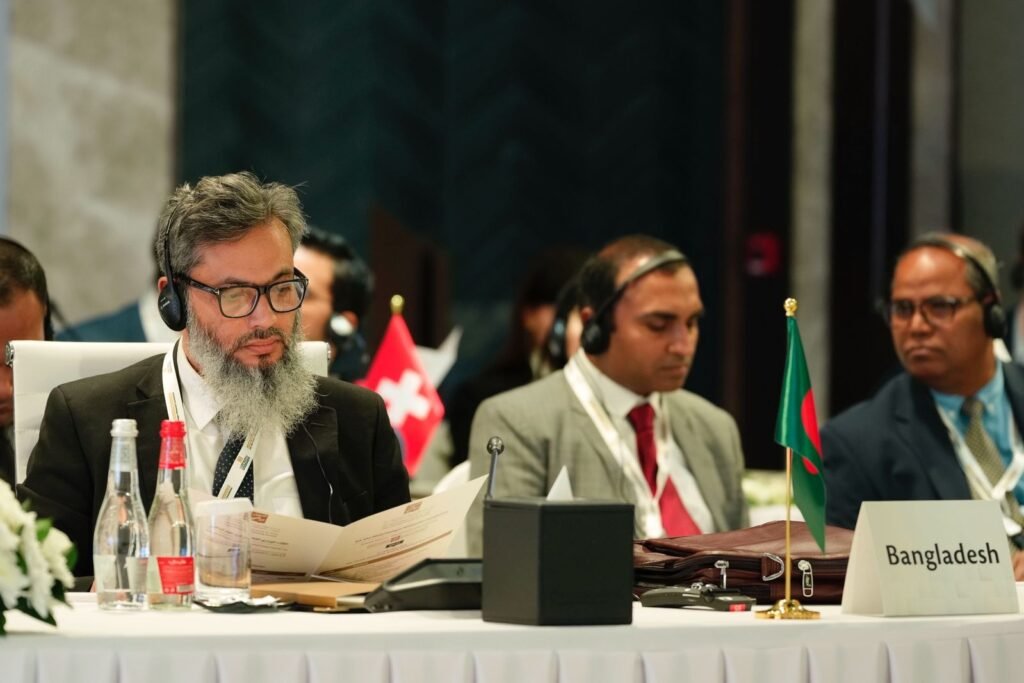
It is noteworthy that the eighth ministerial meeting of the Abu Dhabi Dialogue was inaugurated on 31 January at the InterContinental Dubai Festival City. Representatives from 17 member countries, senior officials, and representatives of international organizations participated in the event. For the first time, representatives from the Labour Centre of the Organisation of Islamic Cooperation (OIC) also took part in the dialogue.
As one of the world’s largest labour-sending countries, Bangladesh continues to play an active role in ensuring the maximum welfare of its expatriate workers by promoting ethical recruitment, migrant protection, recognition of skills, and closer cooperation with destination countries. Through its participation in the Abu Dhabi Dialogue, Bangladesh has reaffirmed its commitment to strengthening international partnerships to ensure the protection, empowerment, and fair opportunities for migrant workers.